GORDON PARSONS appreciates fine performances and a feel for ambiguity, but misses the music of the dialogue


 Latest editorial
The white key’s burden
As young pianist playing old pianos, DAVID YEARSLEY remembers being taught that ivory is warm and welcoming to the touch...
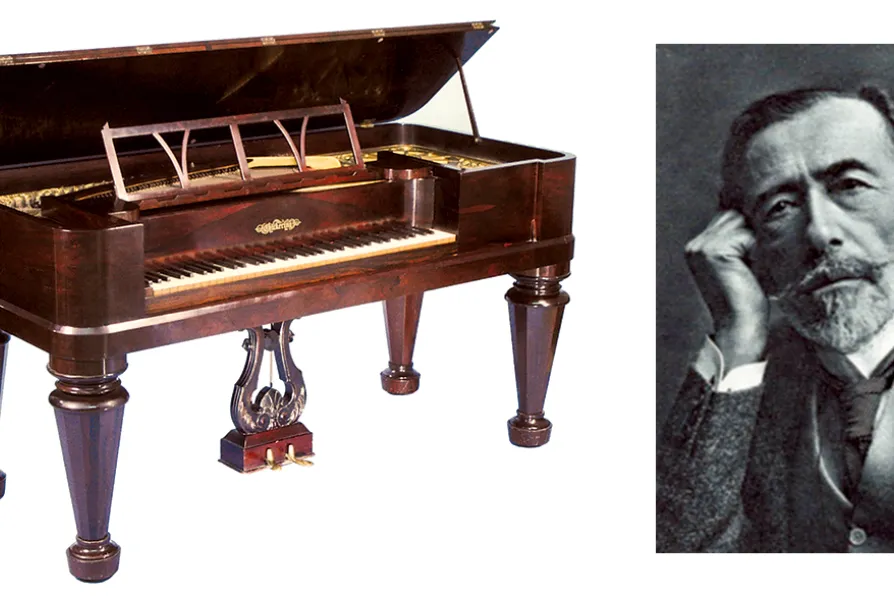 PAINFUL SOULSEARCHING : (Left) A square piano by Jonas Chickering US, c1850 - square pianos were owned by everyone from George Washington and Thomas Jefferson to Marie Antoinette and Jane Austen; (right) Joseph Conrad
[www.metmuseum.org/public domain - NYPL Digital Gallery/public domain]
PAINFUL SOULSEARCHING : (Left) A square piano by Jonas Chickering US, c1850 - square pianos were owned by everyone from George Washington and Thomas Jefferson to Marie Antoinette and Jane Austen; (right) Joseph Conrad
[www.metmuseum.org/public domain - NYPL Digital Gallery/public domain]
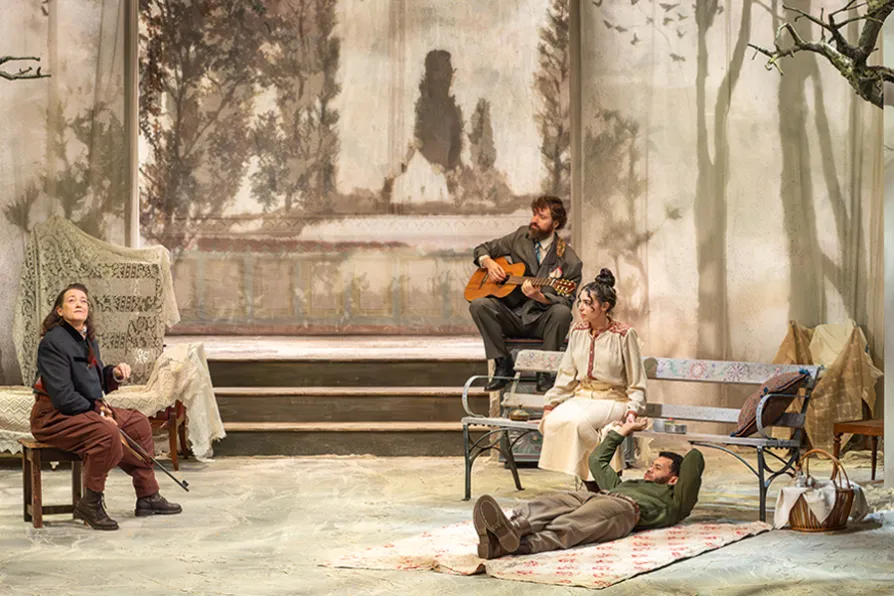
DOUGLAS FIELD relishes the hard-boiled language, satire and humour of the third and last of the Harlem trilogy
STEPHANIE BROWN draws attention to the hidden labour of the female embroiderers, and how a 19th century replica made no such error
MIK SABIERS revels in a band that ploughs an idiosyncratic furrow of expletive laden, guitar-driven alt rock
ANDY HEDGECOCK, MARIA DUARTE and ANGUS REID review Synthetic Sincerity, Our Hero, Balthazar, Heartstopper Forever, and A Year In London
The bard invites readers to a gig, raps for Clacton, and lays out the Burnham-Hurzeler conundrum
RON JACOBS recommends an important book that enhances the oppositional theories put forth by Fanon and, in doing so, remakes psychology itself


WHITE is the colour of evil in Joseph Conrad’s Heart of Darkness. The horror is ivory. The coveted material fires the greed and stokes the chaos of the entire sprawling colonial project depicted in the novella. The lust for tusks has overtaken the Africans and their European colonisers.
The tale’s narrator, Charles Marlow, is hired on as a steamboat captain by a Belgian ivory trading company. At the farthest upriver outpost, he will encounter Kurtz, gone rogue but still claimed by company executives and agents in the field to be their most successful ivory producer.
On the journey inland, Marlow’s boat stops at the company’s central station. There he sees “men strolling aimlessly about in the sunshine of the yard. The word ‘ivory’ rang in the air, was whispered, was sighed. You would think they were praying to it. A taint of imbecile rapacity blew through it all, like a whiff from some corpse.”

Similar stories

Chris Searle speaks to British pianist ZOE RAHMAN

SUE TURNER is fascinated by a book that researches who the largely immigrant workforce were that built the Empire State
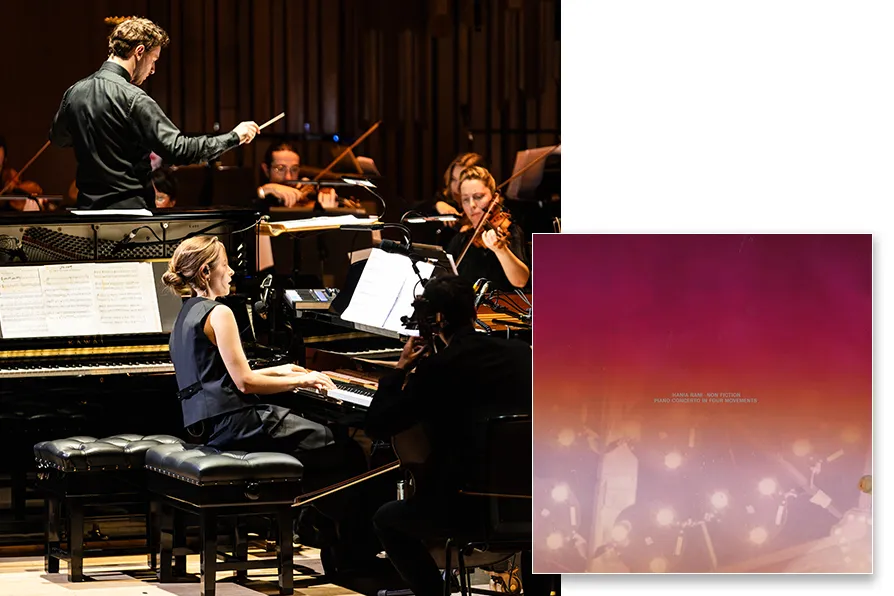
WILL STONE witnesses an experimental piano concerto inspired by the work of a young Jewish victim of the Nazis
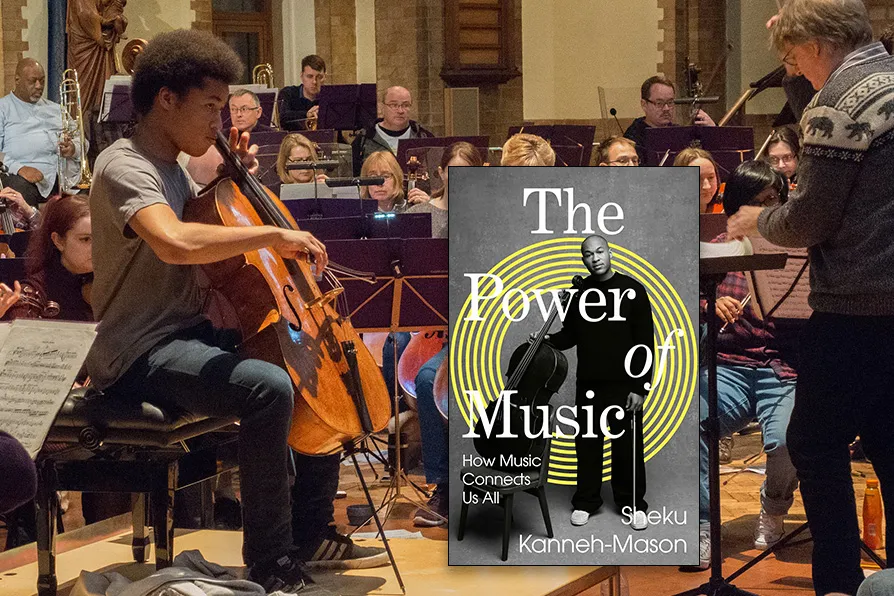
JONATHAN TAYLOR appreciates how, for a black British musician, to walk onstage can be a rebellious act