

 Latest editorial
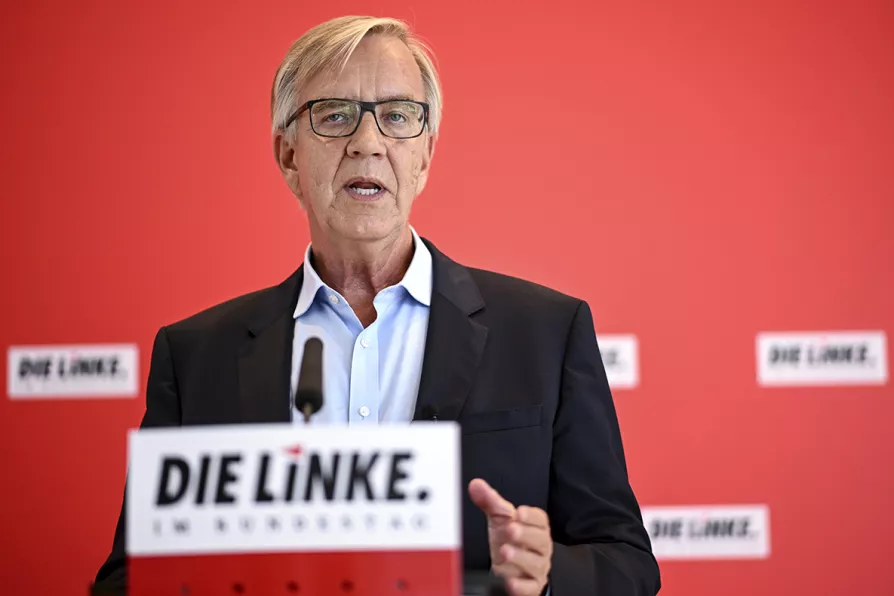 Parliamentary party leader of Die Linke, Dietmar Bartsch, makes a statement to declare that he will not run again in the board election taking place next September 4, in Berlin, Germany, Wednesday August 16, 2023

by Nana Backland, Merseyside Morning Star Readers & Supporters Group
The Tories introduced the 50% strike ballot threshold to make industrial action harder. MATT WRACK argues that a Labour government has no justification for leaving it on the statute book
In the wake of Ann Widdecombe’s murder, JOHN GREEN wonders whether the government will really get to grips with the root cause of these attacks on our MPs
The new PM’s opening addresses offered hope, council homes and reform — but little detail on how any of it will be delivered, warns CLAUDIA WEBBE
Nature as well as society works dialectically, asserts the Marx Memorial Library and Workers’ School


PLEASANT, hilly Thuringia, the “green lung” of Germany, has not always had pleasant times. One hundred years ago, after a socialist revolution had been squelched following World War I, Social Democrats and Communists in Thuringia and neighbouring Saxony defiantly elected coalition governments.
This could not possibly be tolerated. So the Berlin government, run by reliable, “correct” Social Democrats, sent in troops to put things back in order. Which they did.
Seven years later, in 1930, Thuringia became the first state to include Nazi ministers in its cabinet. Only two at first. But in August 1932 the Nazis took over completely, four months before doing the same in all of Germany.


SEVIM DAGDELEN says European Nato states are escalating ever closer to direct conflict with a nuclear power, and sacrificing welfare states built up over a century to finance it

NICK WRIGHT returns to Berlin and finds a city in darkness and political turmoil

From Reform UK to Trump, Orban and beyond, the far right is organised across borders and growing. Waiting for it to collapse is a fatal error – building an international, locally rooted left alternative is now an urgent necessity., argues ROGER McKENZIE
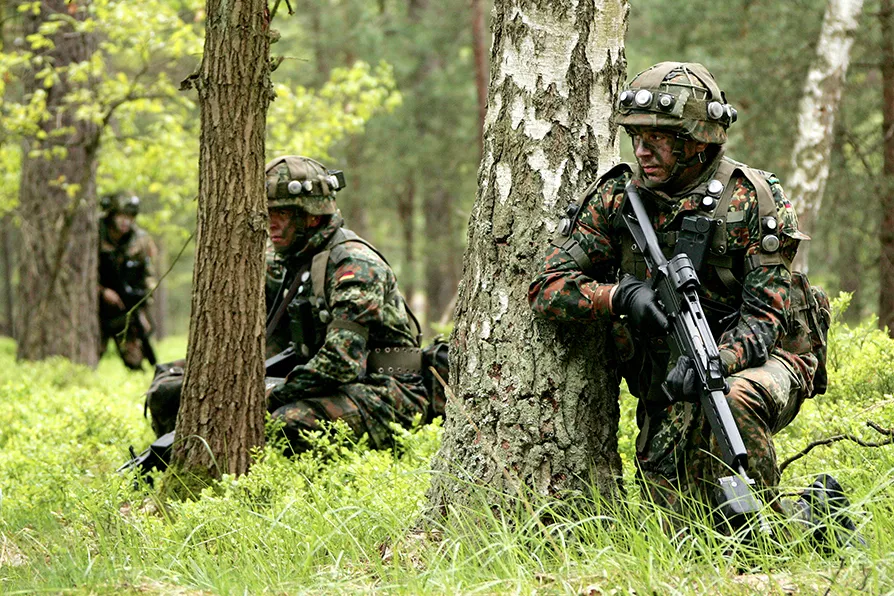
The federal government’s plans to finance the war in Ukraine with Russian assets, and a possible deployment of German troops, put the population in Germany in the highest danger, argues SEVIM DAGDELEN