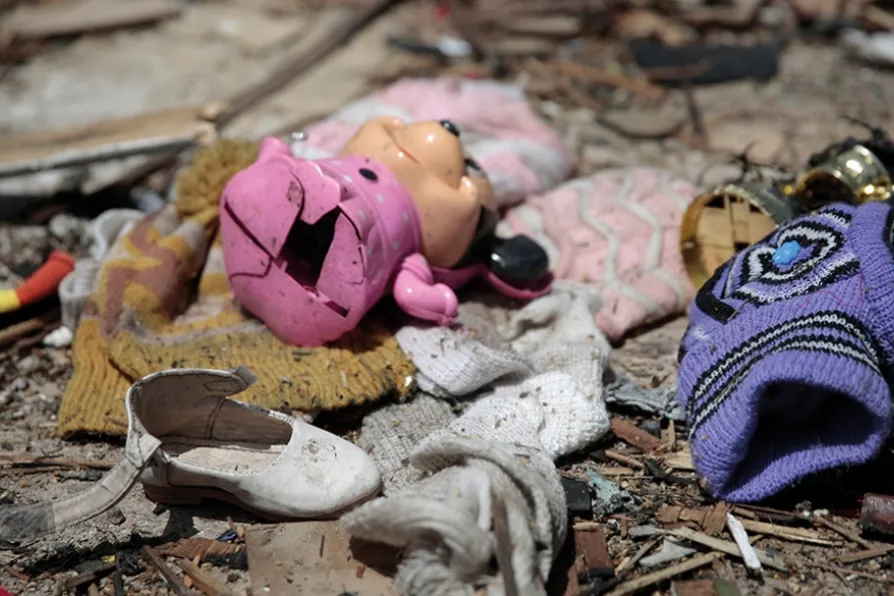
 A child’s shoe and clothes are left at a site of Saudi-led air strikes targeting two houses in Sanaa, Yemen


YESTERDAY the Wall Street Journal reported that Egypt and Syria are resuming “brotherly” relations, just as a bid in the US Congress to withdraw US troops from occupied Syria failed.
Chinese diplomacy has brought together long-time adversaries Iran and Saudi Arabia, and they have resumed diplomatic relations.
Early days yet but ending the logjam of regional conflicts could change the regional power geometry, dial down the Yemen war and weaken the malevolent regional influence of the Nato powers and Israel.
With US and British defence firms making billions in Yemen’s disastrous war, any pause in the slaughter is a rebuff to the imperial plan to keep the region in a constant state of tension.
The imperial alliance suffered another setback a few weeks ago when a resolution before the United Nations calling for Russia to withdraw from Ukrainian territory failed to attract votes from all but a tiny handful of states outside the North Atlantic alliance.
Abstentions, including from a host of African, Asian and Latin American states, and some big players like Brazil, India and South Africa, confirmed the increasingly settled views of the global South.
For a year, imperialism’s diplomatic efforts have been directed at coercing governments to line up with the West on the war.
Measured against the principal concerns this vast tranche of humanity has — food and energy crises, drought-driven migration and climate change and uncertainty in the global money system — the message the UN vote conveyed was simple. Not our fight, mate!
Developing countries are suffering the economic consequences of the US proxy war in Ukraine. Raised interest rates by the Federal Reserve, the European Central Bank and the Bank of England — to combat inflation in the developed world — precipitated a sharp increase in the external debt owed by developing countries, with further disruption in energy, food and fertiliser markets plus runaway price increases.
High interest rates have resulted in an appreciation of the dollar and sterling against most currencies in the developing world.
Thus imports are more expensive and the sovereign debt burden increases, while attempts by their central banks to protect their currencies by raising rates create enormous problems in their domestic economies. This drives the move for states to end denominating their foreign trade in US dollars.
Anyone tempted to think that British finance capital is a bystander in this process should reflect that against even the US dollar, sterling has appreciated.
Economic ties to Russia and China aids countries to maintain a measure of independence while the US bid to ramp up tension with China and Russia serves the interests of no-one in the global South.
China’s 12-point proposals for a ceasefire and peace talks have stirred the interest of even Volodymr Zelensky who is making positive noises about meeting China’s Xi Jinping.
Zelensky is running out of road. Ukraine’s Nato-trained army lies dead on the battlefield while press gangs scour Ukraine’s cities for draft-dodgers. Millions of Ukrainians are refugees while the economy is a basket case sustained by US and EU subventions.
British foreign policy, faithfully parroted by Westminster Labour, is in lockstep with the US in fighting Vladimir Putin to the last Ukrainian even as US military sources warn Ukraine cannot win and the Polish foreign minister admits that “the mechanism of isolating Russia does not work.”
US tactics to subordinate European interests to its global strategy have been a tactical success but a strategic failure.
This region — Ukraine, the Baltic states and Poland — can be either the front line of never-ending succession of US-sponsored military conflict or the point where Europe’s economy intersects with a Silken Road of peaceful trade with the fastest-growing economies in the world.

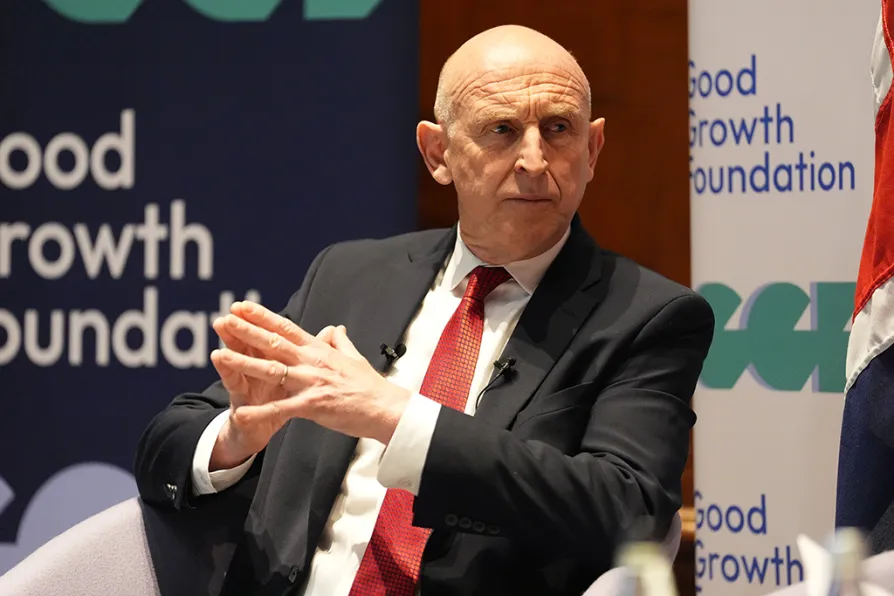
The defence secretary’s resignation reveals not a split over principle but a dispute over pace of military spending, as Britain’s political Establishment unites behind deeper Nato commitments, argues NICK WRIGHT
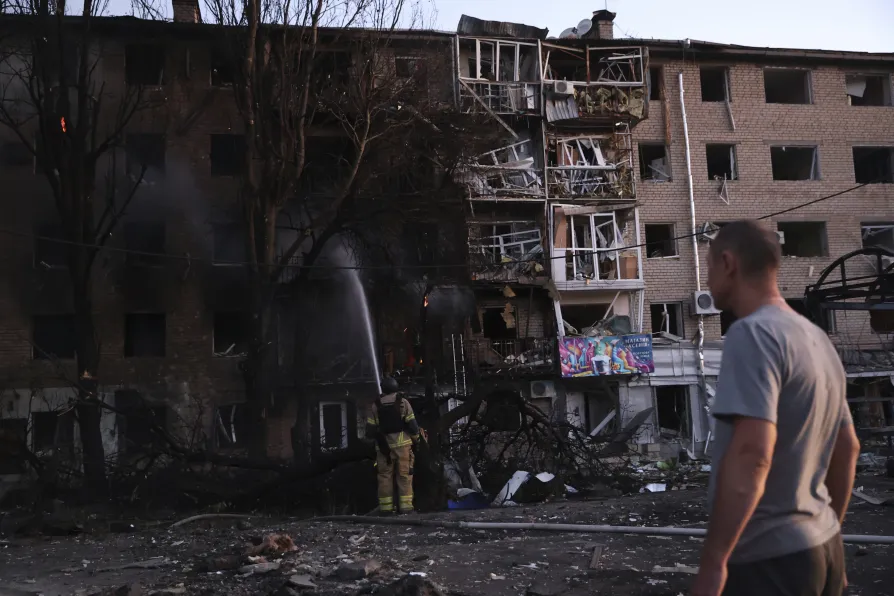
While 69 per cent of Ukrainians want negotiated peace, Western leaders are cynically prolonging the war for their own strategic and economic goals, to the immense detriment of Ukraine and Europe, write BOB ORAM and MAGGIE SIMPSON
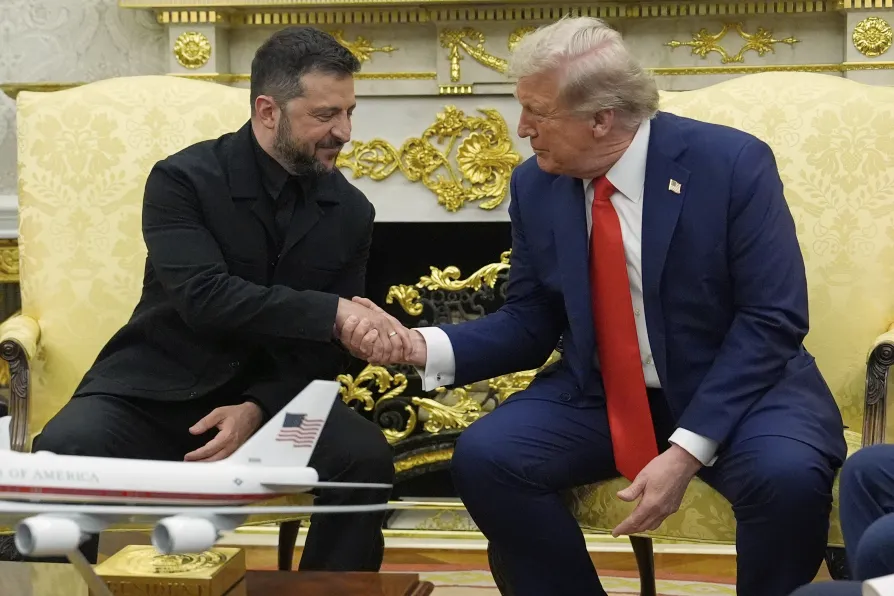
Washington plays innocent bystander while pouring weapons and intelligence into Ukraine, just as it enables the Gaza genocide — but every US escalation leaves Ukraine weaker than the neutrality deal rejected in 2022, argue MEDEA BENJAMIN and NICOLAS JS DAVIES