The Tories introduced the 50% strike ballot threshold to make industrial action harder. MATT WRACK argues that a Labour government has no justification for leaving it on the statute book


 Latest editorial
War in Ukraine: already the winners and losers are clear
Although the fighting is far from over, we can see that Nato, the US imperial agenda and Western arms companies have done well — and the Ukrainian and Russian people have suffered badly, writes MARC VANDEPITTE
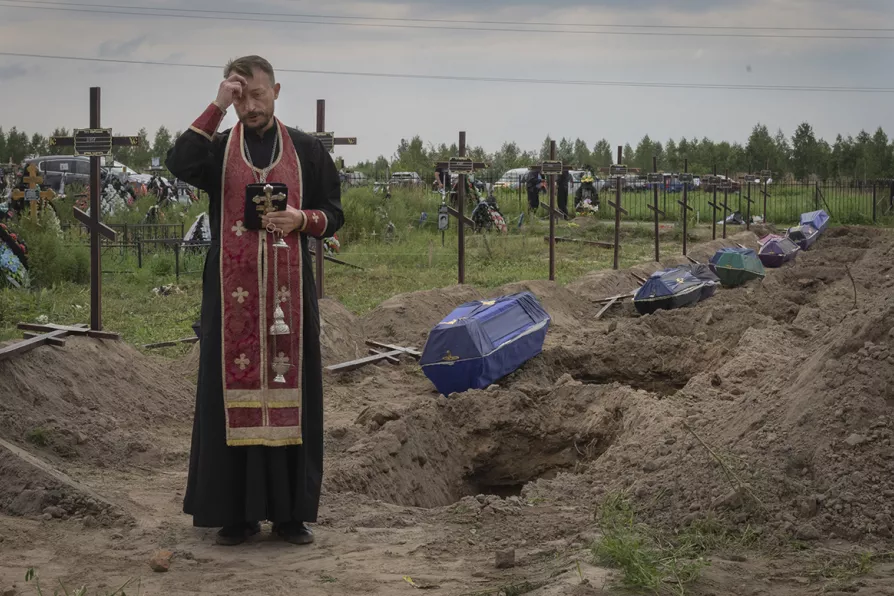 A priest prays for unidentified civilians killed by Russian troops during Russian occupation in Bucha, on the outskirts of Kyiv, Ukraine, Thursday, August 11, 2022.
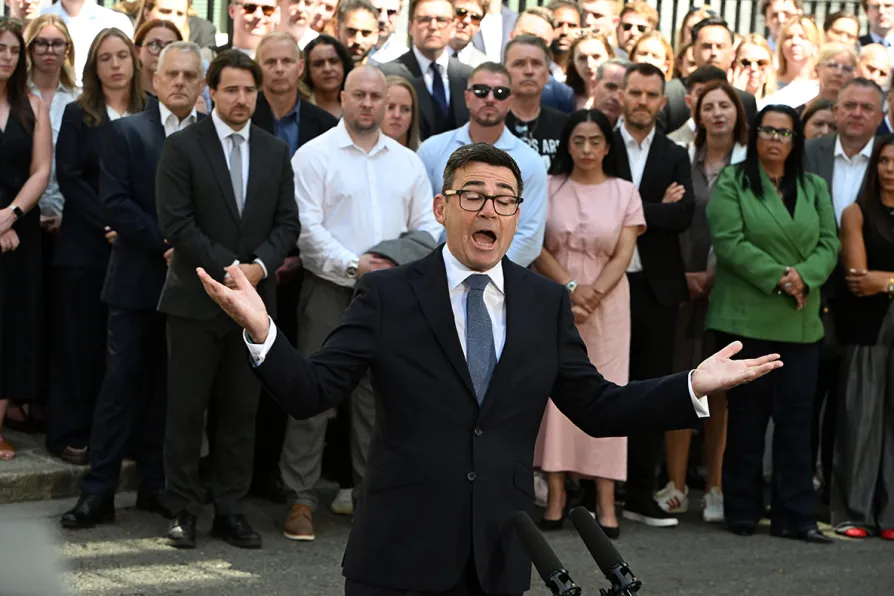
In the wake of Ann Widdecombe’s murder, JOHN GREEN wonders whether the government will really get to grips with the root cause of these attacks on our MPs
The new PM’s opening addresses offered hope, council homes and reform — but little detail on how any of it will be delivered, warns CLAUDIA WEBBE
Despite the screeching from the right-wing media, Burnham’s speech chimed with the public mood - and socialists should take advantage, says Morning Star editor BEN CHACKO
Scotland's Labour leader cannot continue to evade responsibility for the party's decline, argues LAUREN HARPER
Nature as well as society works dialectically, asserts the Marx Memorial Library and Workers’ School


THE invasion of Ukraine has been going on for more than five months now and hostilities may continue for quite some time. In military terms, the outcome is still uncertain, but what is already clear is who the big winners and losers of this conflict are.
For the arms manufacturers, this war is like a gift from heaven. At the behest of Nato, European countries will increase their armament efforts by hundreds of billions in the coming years. In central Europe we may expect a new arms race — just think of the threat to deploy nuclear weapons in Belarus.
In the Arctic region, the same thing threatens to happen with the entry of Finland and Sweden into the Atlantic alliance. The push for a so-called “global Nato” may also lead to a new and dangerous arms race in Asia.

Similar stories
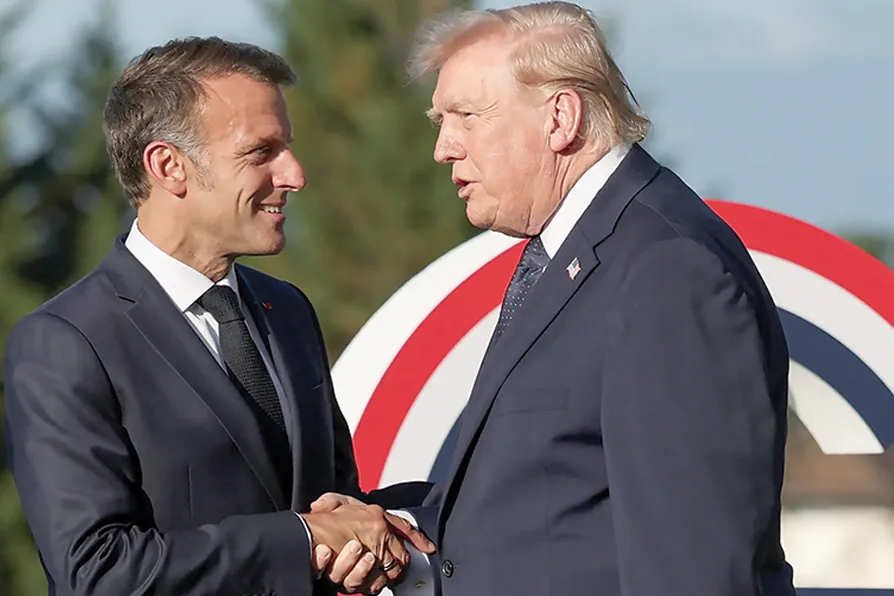
While millions face poverty and public services are squeezed, France is committing billions to defence spending and weapons production, in a dangerous shift towards permanent preparation for war, says CONOR BOLLINS
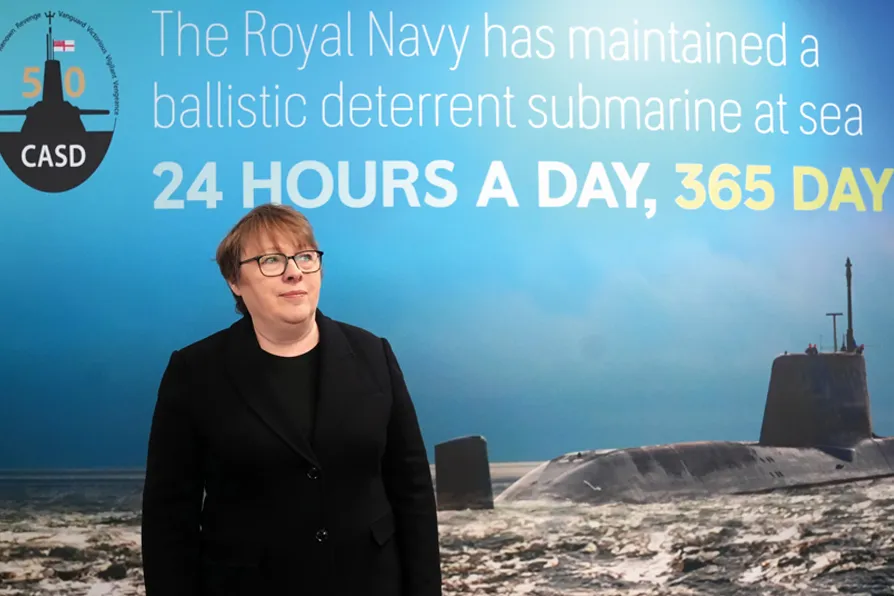
Expanding Britain’s nuclear capability increases the risk of nuclear confrontation. It does not keep us safe – it makes us a target, argues CAROL TURNER
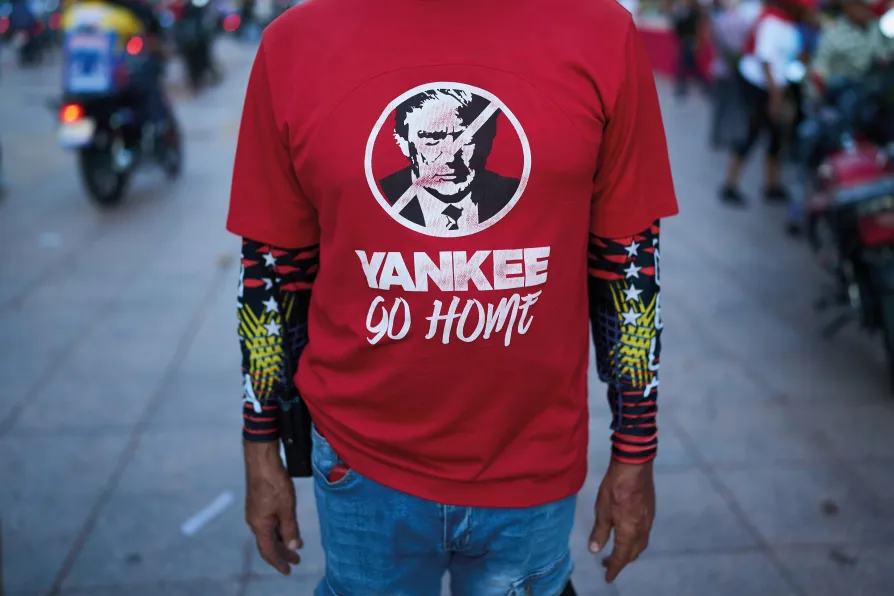
Western nations’ increasingly aggressive stance is not prompted by any increase in security threats against these countries — rather, it is caused by a desire to bring about regime changes against governments that pose a threat to the hegemony of imperialism, writes PRABHAT PATNAIK
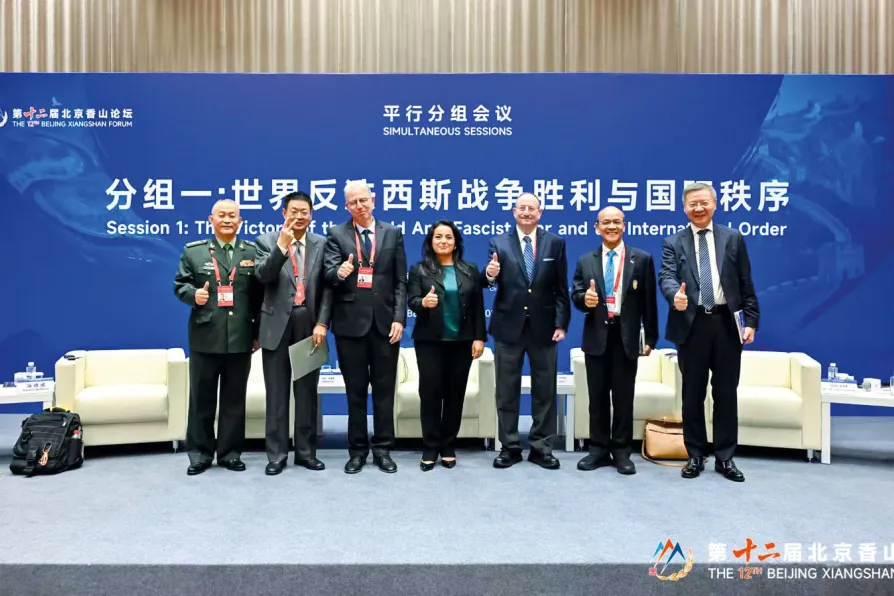
In a speech to the 12th Xiangshan Forum in Beijing, SEVIM DAGDELEN warns of a growing historical revisionism to whitewash Germany and Japan’s role in WWII as part of a return to a cold war strategy from the West — but multipolarity will win out