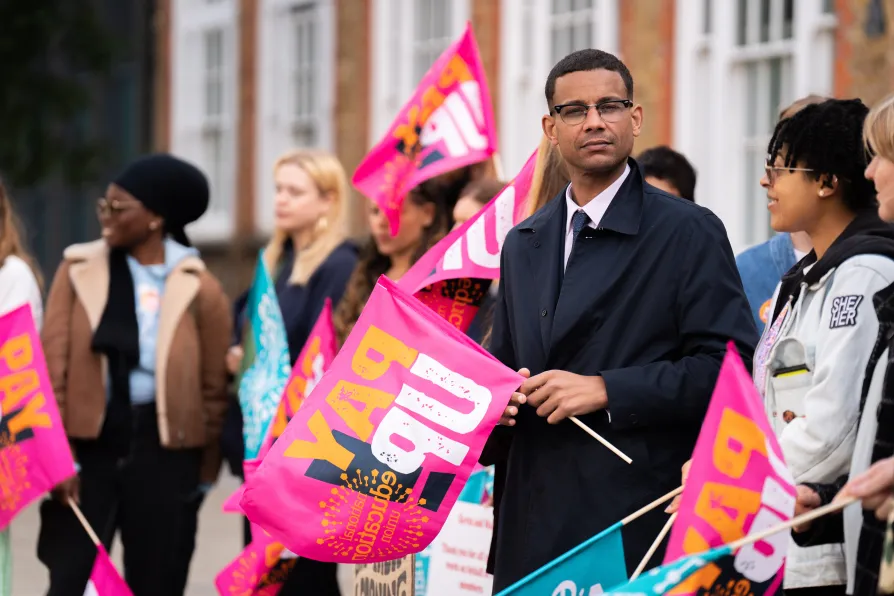
The Tories introduced the 50% strike ballot threshold to make industrial action harder. MATT WRACK argues that a Labour government has no justification for leaving it on the statute book


 Latest editorial
Ofsted has lost credibility with teachers
Ofsted's 30th anniversary this May should focus thinking on how we hold schools to account for the quality of education they provide, what is working for us — and what is not, writes MARY BOUSTED
In the wake of Ann Widdecombe’s murder, JOHN GREEN wonders whether the government will really get to grips with the root cause of these attacks on our MPs
The new PM’s opening addresses offered hope, council homes and reform — but little detail on how any of it will be delivered, warns CLAUDIA WEBBE
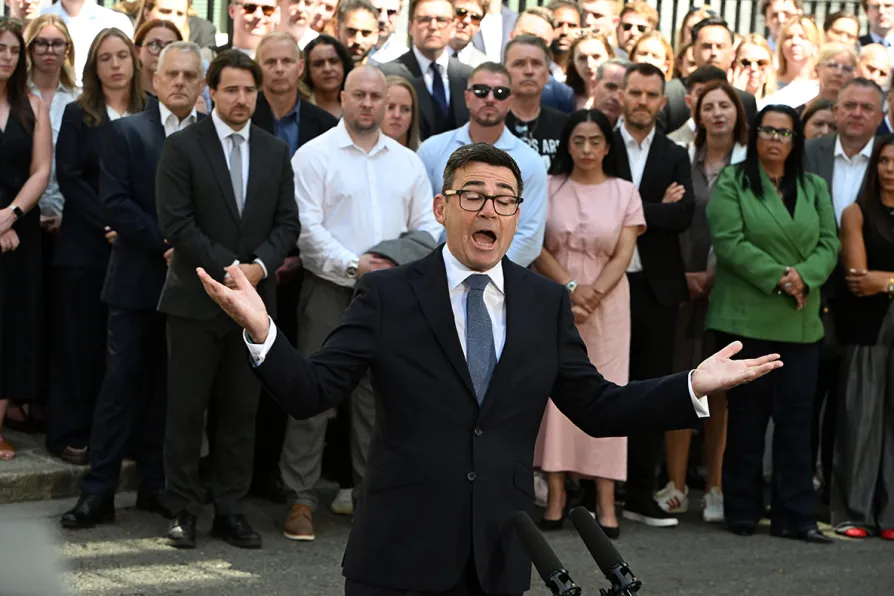
Despite the screeching from the right-wing media, Burnham’s speech chimed with the public mood - and socialists should take advantage, says Morning Star editor BEN CHACKO
Scotland's Labour leader cannot continue to evade responsibility for the party's decline, argues LAUREN HARPER
Nature as well as society works dialectically, asserts the Marx Memorial Library and Workers’ School


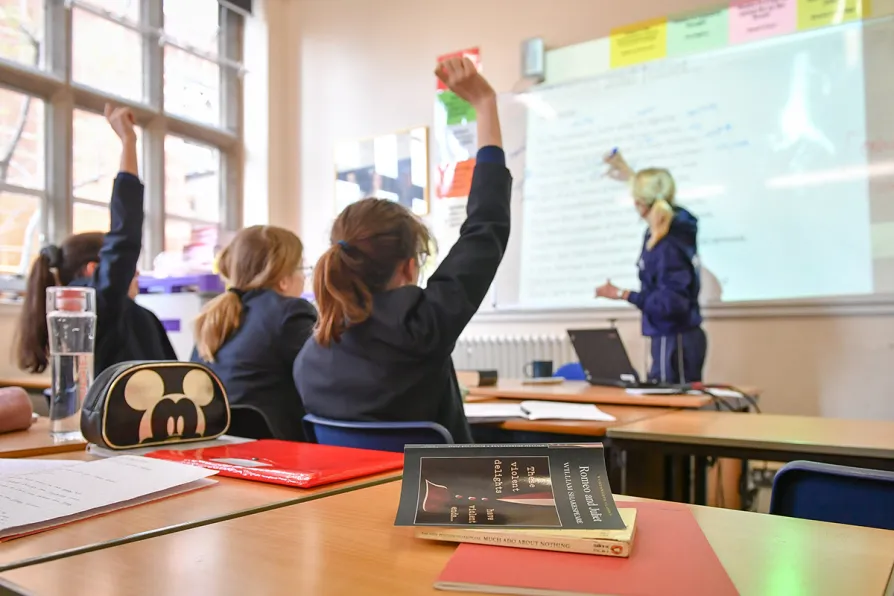
THE global pandemic has opened the eyes of many to unsung truths about the education system.
Firstly, that child poverty has a devastating impact on children. Around one in three children in England are growing up in poverty, a statistic thrown into sharp relief by the struggle faced by thousands of families to access online learning during national lockdown.
Secondly, education staff across the sectors will always go above and beyond to support pupils and their families, even during the toughest of challenges. The National Education Union’s (NEU) campaign to Help A Child To Learn raised thousands to provide learning resources for disadvantaged children.

Similar stories