The greatest threat to democracy may no longer come from political parties but from unelected tech oligarchs like Peter Thiel and his powerful Silicon Valley network, argues JOHN GREEN


 Latest editorial
Myanmar military junta: never in fashion
The unions' message is clear: if international clothing manufacturers are serious about human rights and democracy, they must take their factories out now — or risk funding the the dictatorship, writes LAURA WATSON
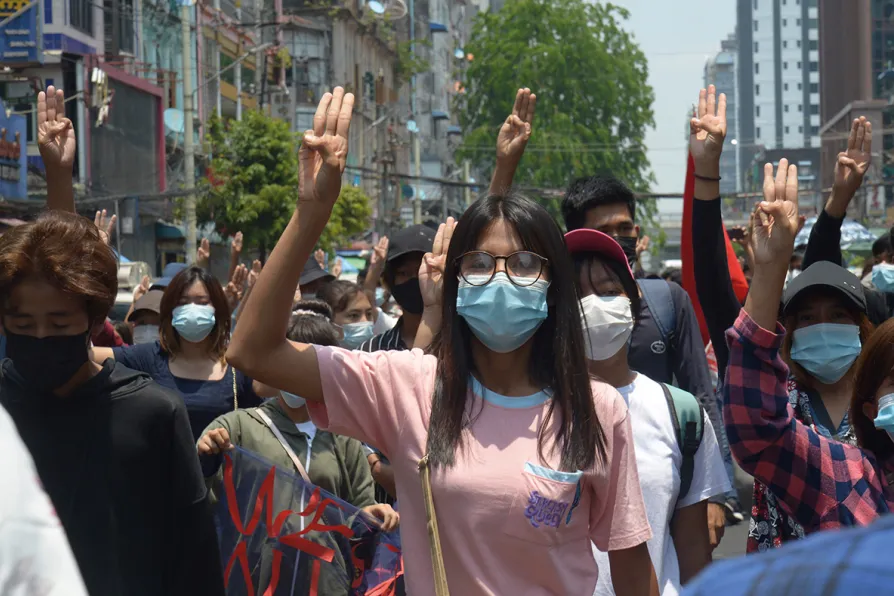 Anti-coup protesters flash the three-finger sign of defiance during a demonstration in Yangon, Myanmar, April 23 2021
Today’s interconnected conflicts are enriching the arms industry while pushing the entire world towards permanent militarisation, argues ROGER McKENZIE
by Nana Backland, Merseyside Morning Star Readers & Supporters Group
The government’s Pip review looks like a carefully managed exercise in legitimising future cuts to disability support, argues Dr DYLAN MURPHY
The Tories introduced the 50% strike ballot threshold to make industrial action harder. MATT WRACK argues that a Labour government has no justification for leaving it on the statute book


ON THE first anniversary of the military coup, over 170 organisations from over 20 countries around the world released a joint statement in support of a call by Myanmar unions for international fashion brands to pull out of Myanmar.
Signatories include trade unions from Britain, Europe and the US, among them the TUC and the ITUC, Unite, PCS, CWU, BFAWU, UCU, TSSA, Aslef and the AFL-CIO.
The statement launched a new international solidarity campaign, Myanmar Military: Never in Fashion, set up in response to the All Burma Federation of Trade Unions (ABFTU) and the Federation of General Workers Myanmar (FGWM).
In September 2021, these unions, which are two of the largest in Myanmar and are part of the Myanmar Labour Alliance, accused employers of working with the military to undermine workers rights and hand over protesters to the police. They called on international brands to stop sourcing their products from Myanmar suppliers.
Their call is now supported by a growing number of trade unions and civil society organisations from around the world, including women’s groups and is part of the wider call for comprehensive economic sanctions to help oust the military regime.

Similar stories

ROGER D HARRIS and SARA FLOUNDERS challenge propaganda against the blockaded socialist island
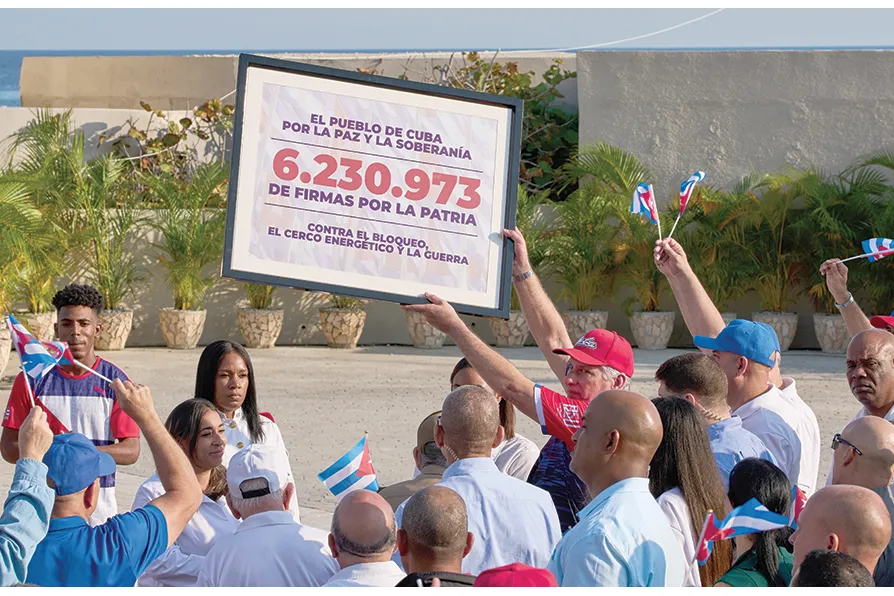
ADRIAN WEIR charts the intercontinental trade union solidarity with Cuba and its desperate predicament
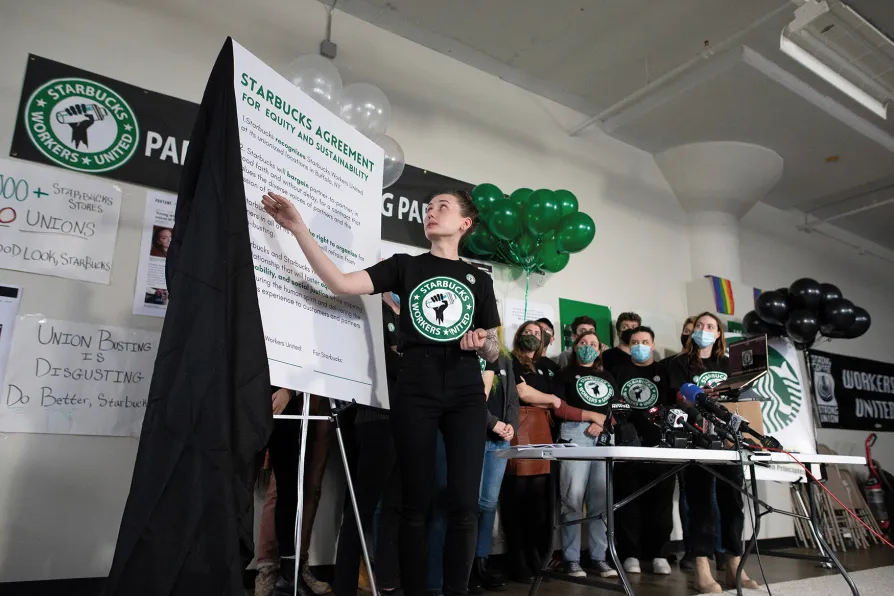
Organised workers at the notoriously anti-union global giant are scoring victory after victory, and now international bodies are pitching in to finally force this figurehead of corporate capitalism to give in to unionisation, writes EMILIO AVELAR
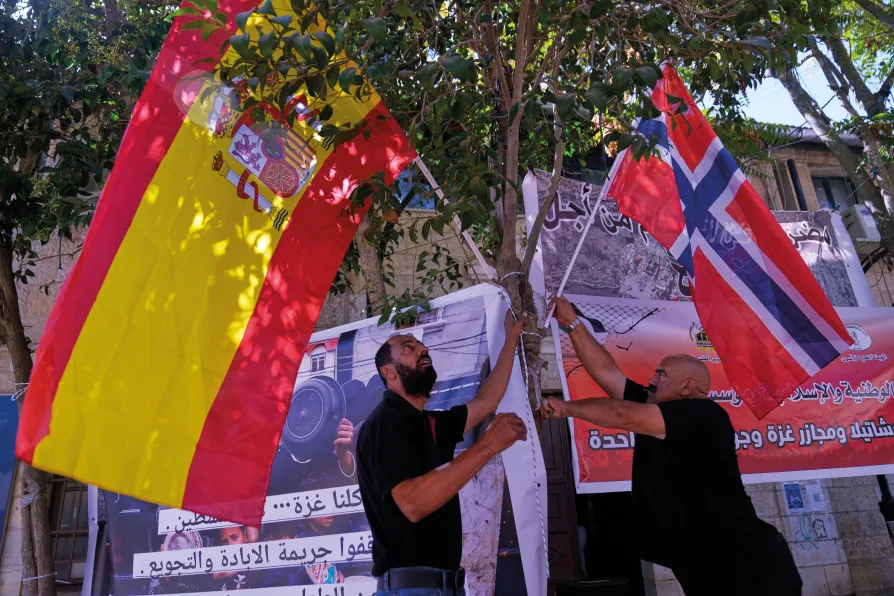
Spain has joined South Africa’s ICJ genocide case against Israel while imposing weapons bans and port restrictions, moves partly driven by trade unions — proving just how effectively civil society can reshape government policy, writes RAMZY BAROUD