CJ ATKINS takes a closer look at Trump’s recent spate of red-baiting speeches and asks why the authoritarian president is running scared


 Latest editorial
Scotland and foreign policy – breathing democracy into the debate
by KATY CLARK
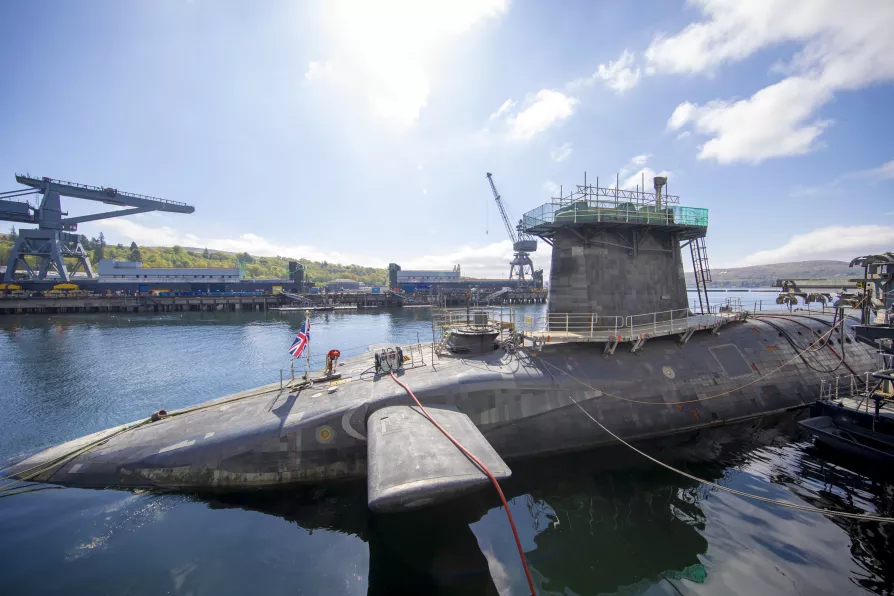 HMS Vigilant at HM Naval Base Clyde, Faslane, which carries Britain’s Trident nukes
JOHN McINALLY sees little chance of change at Westminster, and calls on the left to get serious about building a real alternative
With the centenary of the UN Slavery Convention upon us, ROGER McKENZIE argues much needs to be done to rid us of all its contemporary manifestations
SEVIM DAGDELEN says European Nato states are escalating ever closer to direct conflict with a nuclear power, and sacrificing welfare states built up over a century to finance it
CLAUDIA WEBBE says the horrific price British patients will pay for this NHS deal is now clear — and there’s time to get out of it, if MPs will only force the issue
KENNY MacASKILL says the lines between party, government and Civil Service in Scotland have been blurred and we need a thorough investigation into how


A SIGNIFICANT driver of support for constitutional change in Scotland has been discontent with aspects of Westminster foreign affairs and defence policy. Currently, the Scottish Parliament has little role in international policy. It does however regularly discuss international issues, and votes on motions relating to a wide range of foreign affairs and defence-related matters.
The Scottish government is anti-nuclear but not anti-Nato. There is a widespread view in Scotland that the Parliament should support humanitarian projects and in the Parliament that the current aid cuts are unacceptable. There is no consensus in support of a principled stance against Western military intervention or a broader analysis of the West’s role or focus on the extent to which Scotland might seek to rupture from this settlement.
The Scottish government also has a small international budget. It undertakes work relating to several countries, and on specific issues such as safe water, and women and girls. Unlike the German Lander (states), it does not have the right to enter international treaties. Whatever position the Scottish Parliament or Scottish government takes, they have no direct input into any aspect of foreign policy taken at a UK level.

Similar stories
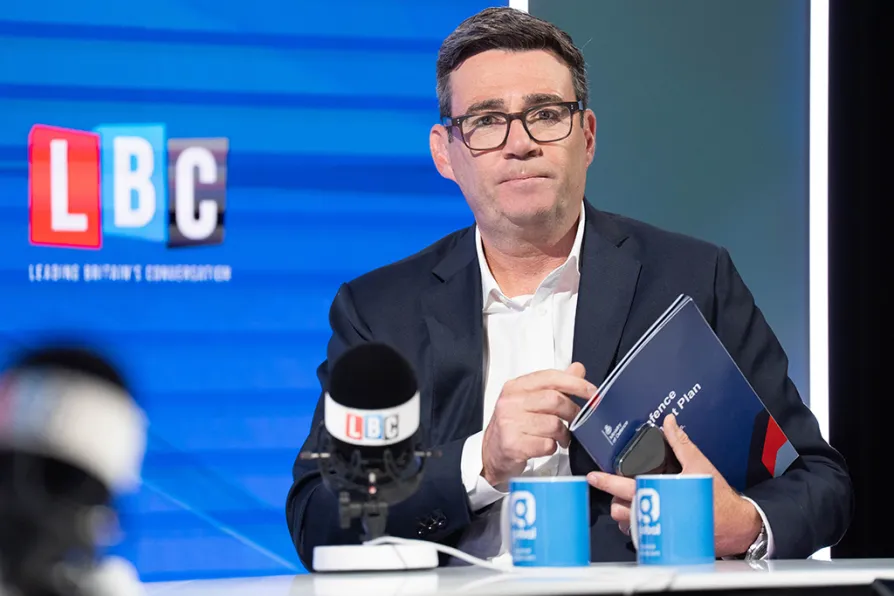
JOHN McINALLY sees little chance of change at Westminster, and calls on the left to get serious about building a real alternative
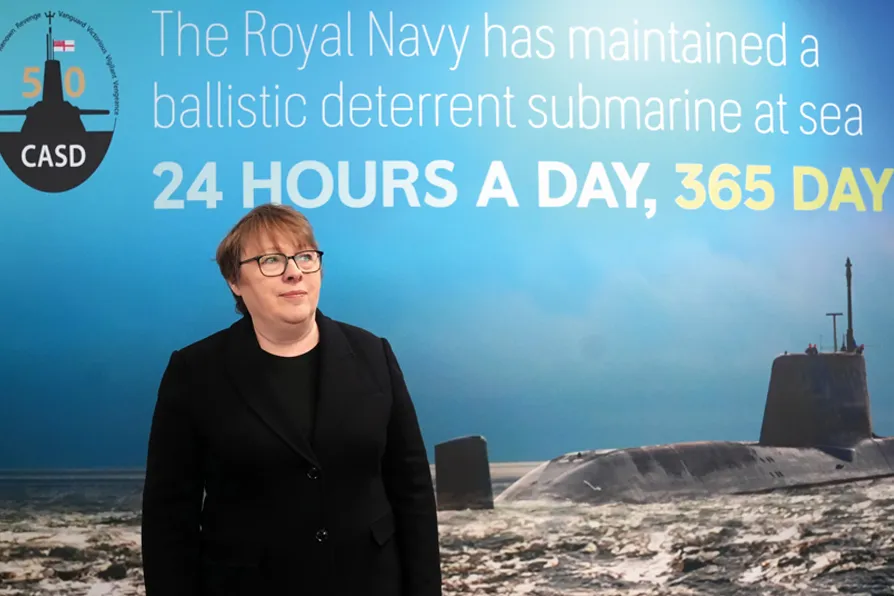
Expanding Britain’s nuclear capability increases the risk of nuclear confrontation. It does not keep us safe – it makes us a target, argues CAROL TURNER

While politicians fixate on defence budgets, the real answers lie in peace-building and economic justice, says ALAN SIMPSON

From 35,000 troops in Talisman Sabre war games to HMS Spey provocations in the Taiwan Strait, Labour continues Tory militarisation — all while claiming to uphold ‘one China’ diplomatic agreements from 1972, reports KENNY COYLE