Fownhope’s Heart of Oak Society traces its roots to the age of friendly societies, when communities provided their own safety net. Its anniversary celebrations reveal a tradition still very much alive, says MARK SEDDON


 Latest editorial
How to fix our broken benefit system
Women are more likely to claim benefits at some point, so are disproportionately affected by the Tories' savage cut-and-burn policies: as the removal of the £20 universal credit uplift looms, the possibility of UBI is once again being discussed, reports ANITA WRIGHT

ANGUS REID explains the significance of Cuba’s egalitarian in letter and spirit Family Code and the pertinent lessons it holds for democracies anywhere in the world
Special report by PEOPLE’S WORLD
NICK WRIGHT considers how the isolation of Israel and a new film on the controversial Italian communist leader are creating new reference points for Italy’s left
CARLOS MARTINEZ says Cuba’s achievements in the face of a criminal blockade are startling, but the island’s future if the United States succeeds in crushing it looks bleak
AMNON BROWNFIELD STEIN reports that far-right MPs who mobbed the event organised by Hadash may have helped raise awareness of the brutality of the Israeli right


THE benefit system in Britain is broken. Anti-poverty charities, food bank and disability organisations know this all too well as they desperately try to support the growing number of people and families struggling to survive.
Although this has been made much worse during the pandemic, it’s a problem that goes back decades. Years of Tory austerity policies resulted in an increase in precarious employment, rising rents and food prices, years of stagnating wages and erosion of local services. In 2009 there were 30 Trussell Trust food banks operating in Britain, by 2019 there were 2,100. That’s more food banks than branches of McDonald’s.
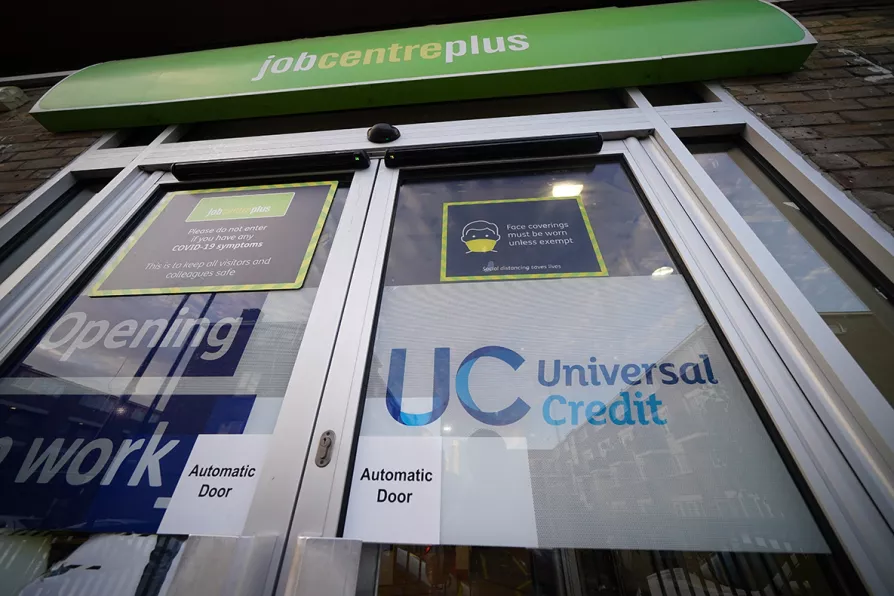
Changes to the benefit system have been piecemeal, complicated and chaotic as with the merging of six benefits into one under universal credit and the move from universality to means-testing — and the introduction of the two-child limit for government support. This has made it harder for claimants to work out eligibility and to make their claim.

Similar stories

Comments from Matt Goodwin and Danny Kruger expose a reactionary vision in which falling birth rates are blamed on women, says JUDITH CAZORLA

A new report from the Citizens Advice destroys the government narrative about disabled people ‘choosing’ not to work, showing the £3,000 annual cuts will create a two-tiered system based on claim dates rather than needs, writes DYLAN MURPHY
