In the wake of his recent humanitarian visit to Cuba, RICHARD BURGON points to the now urgent need to defend the island’s political sovereignty and its right to self-determination


 Latest editorial
Afghanistan: statement of the Socialist Campaign Group of Labour MPs
We must have a serious programme for refugees and rebuilding Afghanistan — there are no more military solutions
 Democracy and social progress cannot be delivered externally by the bombs and bullets of the US and British governments. It can only be the product of the people themselves
Thousands of jobs are at risk across higher education, yet government funding appears only when universities can be linked to military objectives, says JO GRADY, in the run-up to the Stop the War International Conference this Saturday
The Wye, Usk, Arrow and Lugg were once treasured for their clean waters – today, pollution and corporate excess are fuelling demands for a return to public ownership, says MARK SEDDON
The new Employment Rights Act is a step forward, but restoring collective bargaining and union power remains essential to tackling insecurity, outsourcing and low pay, says PAUL WHITEHOUSE
Rising support for Farage’s party reflects Labour’s failure to defend working-class living standards or offer a credible alternative to neoliberal decline, says JOSEPH MILLS
Trade unionists are mobilising to support Cuban workers and public services, amid escalating US pressure on the socialist island. RONAN OGILVY explains


TWENTY YEARS ago, the longest war in US history – longer even than the Vietnam war – was launched in Afghanistan, with the support of the British government, despite the warnings of the anti-war movement.
The anti-war movement argued at the time against the rush to war and urged other ways of responding to the horrific 9/11 terrorist attack. In particular, the anti-war movement warned that military occupation of Afghanistan could not lead to stable governance and would be rejected as a foreign imposition by many Afghans.
The disastrous situation in Afghanistan is a consequence more than anything of a 20-year-long failed military intervention. The responsibility rests with the US, British and other Nato governments which plunged into a war that was always doomed to fail. The fact of the invasion, not the manner of its ending, has driven the crisis in Afghanistan.

Similar stories
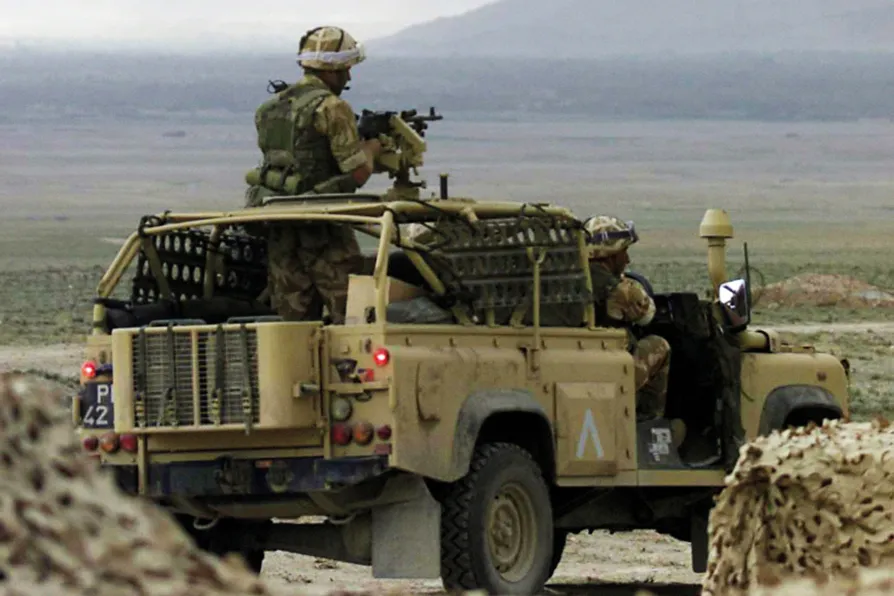
Outrage greeted Donald Trump’s suggestion earlier this year that Britain stayed off the front lines. But evidence suggests our forces were at times pulled from the most dangerous fighting — not by military failure, but by pressure at home, says IAN SINCLAIR