Durham Miners’ Association chair STEPHEN GUY speaks to Ben Chacko about the Reform threat, what’s needed from Labour and why the Big Meeting will never lose its politics


 Latest editorial
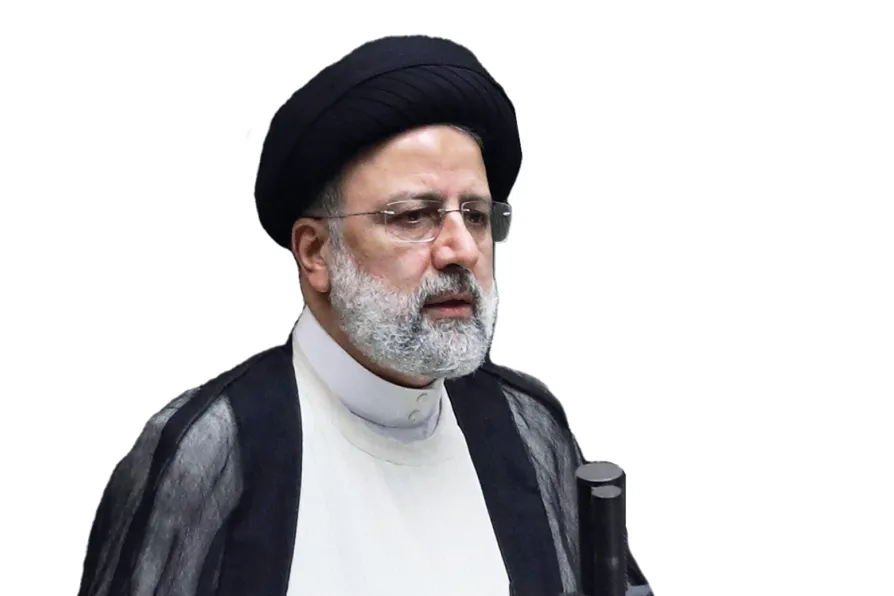
Iran: Raisi elected with blood on his hands
The recent inauguration of President Ebrahim Raisi raises questions about his past in the ‘Death Committee’ — as well the direction of Iran’s future foreign policy, writes JANE GREEN
![Durham Miners' Gala 2026 [Pic: Neil Terry]](https://morningstaronline.co.uk/sites/default/files/styles/desktop/public/2026-07/SSS_20260711_DURHAM_MINERS_GALA_0-21.jpg.webp?itok=NUVjowji)
Andy Burnham’s message of hope will defeat Reform if Labour delivers the New Deal for Working People in full, says JOANNE THOMAS
General Federation of Trade Unions president and bakers’ union general secretary, SARAH WOOLLEY, guides us through the GFTU’s Summer School happening this week at Quorn Grange Hotel
The government’s latest asylum proposals abandon labour movement values and fuel division by aping Reform UK, writes DIANE ABBOTT MP
Can Andy Burnham’s programme deliver a productive economy – or merely a softer version of capitalism, asks VINCE MILLS
IAN LAVERY MP warns that decades of neoliberal policies have left former industrial communities behind — but a renewed Labour commitment to working people could change the political landscape


A DEGREE of tension between the elected President of Iran and the country’s Supreme Leader, currently Ayatollah Ali Khamenei, has been built into the system ever since the establishment of the Islamic Republic 40 years ago.
That tension has focused around the degree of emphasis in Iranian foreign policy upon engagement with the US and to a lesser extent the European Union.
The Western press have tended to simplify this tension as one between “conservative hardliners” and “reformists” within the Iranian political system, seeing hope in the presidencies of Khatami (1997-2005) and Rouhani (2013-2021), while despairing at the two terms of Ahmadinejad (2005-2013).

Similar stories
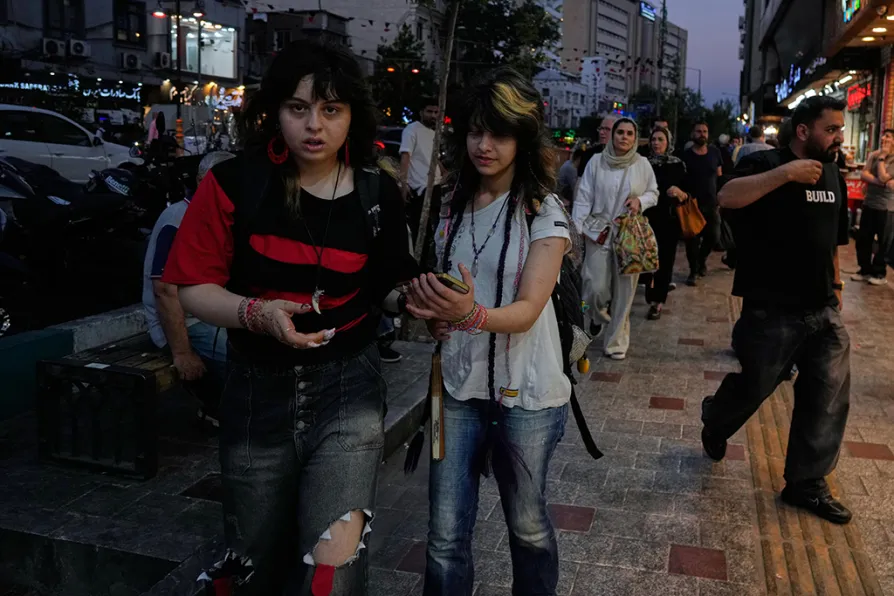
The ceasefire may have halted the fighting for now, but years of economic warfare and recent military attacks have left millions of Iranians facing hardship and uncertainty, says Codir’s RUBEN BRETT
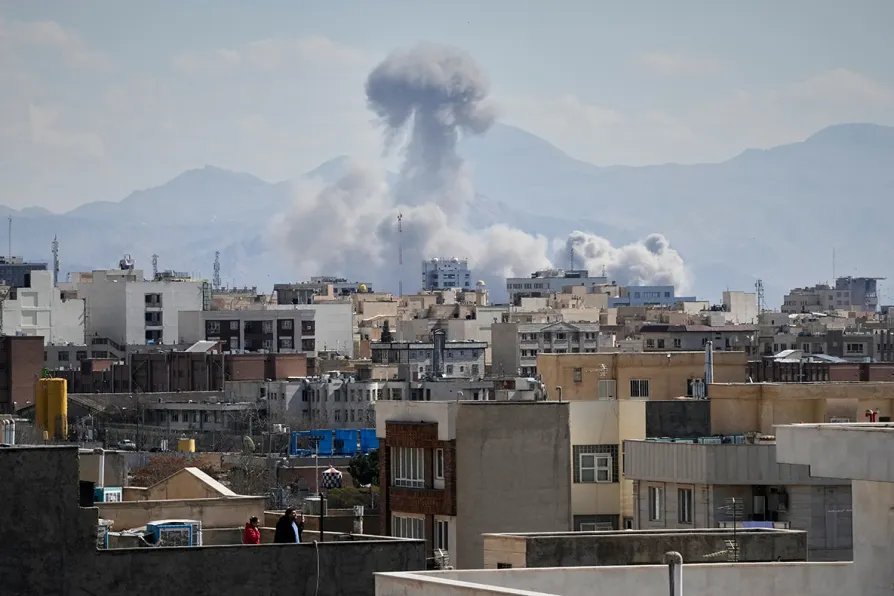
Tehran retaliates with attacks on Israel, the Gulf Arab states and crude oil flows
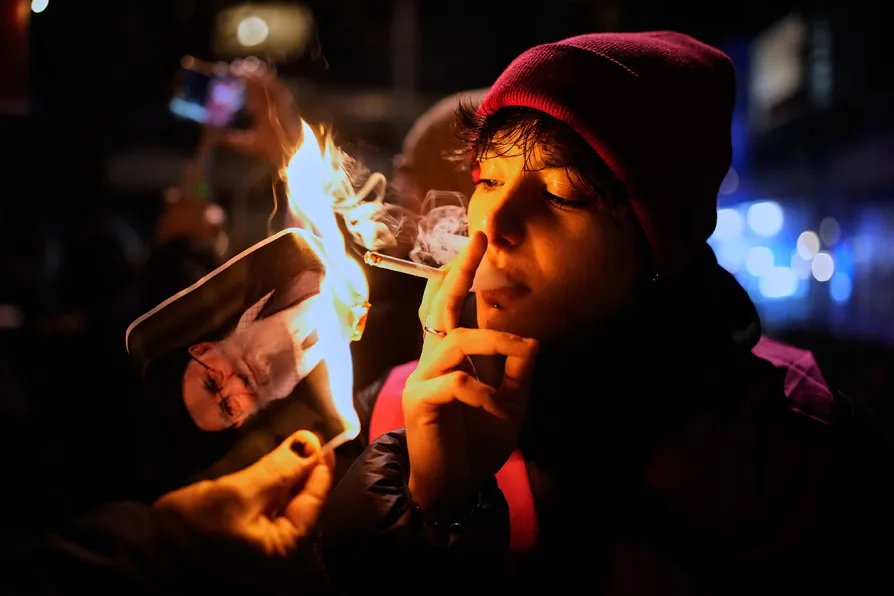
MOHAMMAD OMIDVAR, a senior figure in the Tudeh Party of Iran, tells the Morning Star that mass protests are rooted in poverty, corruption and neoliberal rule and warns against monarchist revival and US-engineered regime change
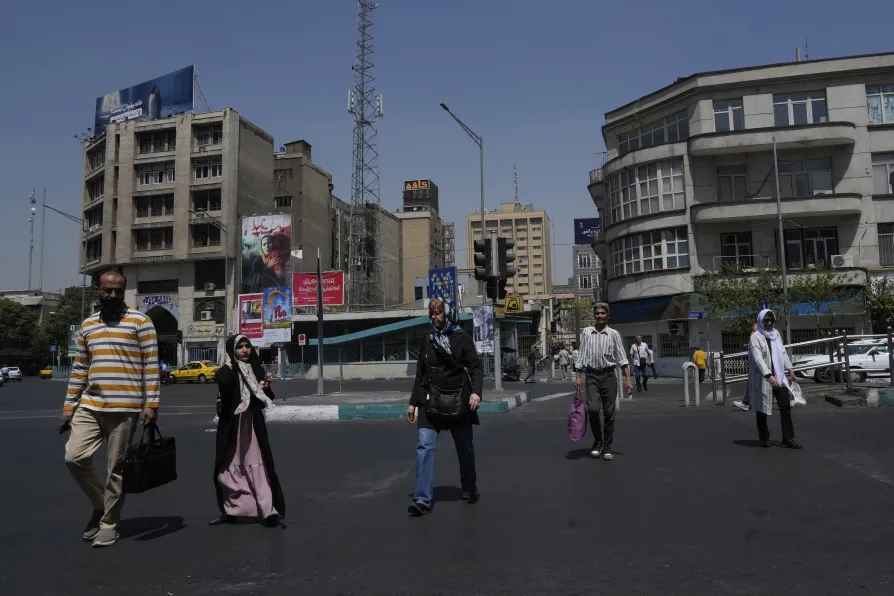
Payam Solhtalab talks to GAWAIN LITTLE, general secretary of Codir, about the connection between the struggle for peace, against banking and economic sanctions, and the threat of a further military attack by the US/Israel axis on Iran