In the wake of his recent humanitarian visit to Cuba, RICHARD BURGON points to the now urgent need to defend the island’s political sovereignty and its right to self-determination


 Latest editorial
Racism, football and Anglo-pessimism
The disavowal of our country as lost to racism after the Euro Cup final is worryingly defeatist — the facts paint a much more positive picture and there’s everything left to fight for, writes HARRY DOBSON
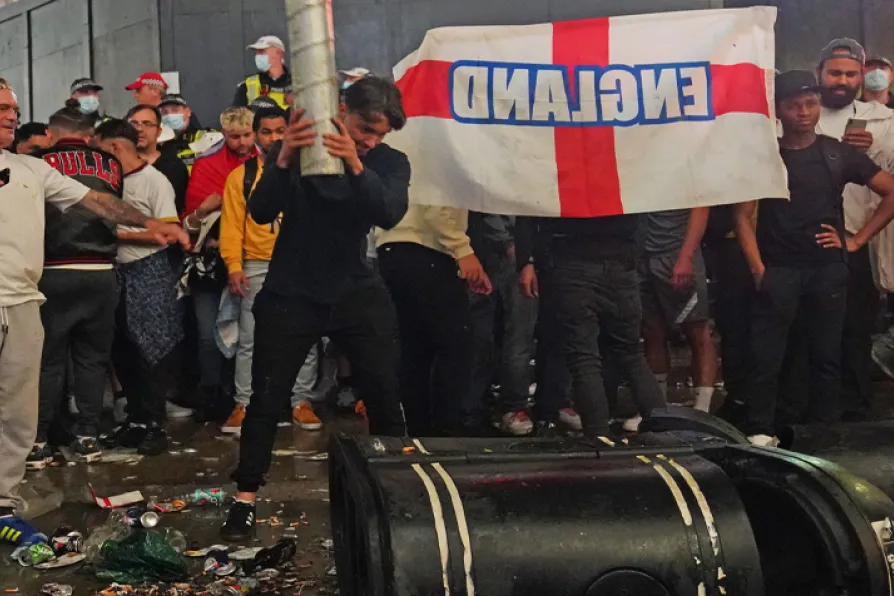 Black and white England fans together in Piccadilly Circus after Italy beat England on penalties to win the Euro 2020 Final, Sunday July 11, 2001
Thousands of jobs are at risk across higher education, yet government funding appears only when universities can be linked to military objectives, says JO GRADY, in the run-up to the Stop the War International Conference this Saturday
The Wye, Usk, Arrow and Lugg were once treasured for their clean waters – today, pollution and corporate excess are fuelling demands for a return to public ownership, says MARK SEDDON
The new Employment Rights Act is a step forward, but restoring collective bargaining and union power remains essential to tackling insecurity, outsourcing and low pay, says PAUL WHITEHOUSE
Rising support for Farage’s party reflects Labour’s failure to defend working-class living standards or offer a credible alternative to neoliberal decline, says JOSEPH MILLS
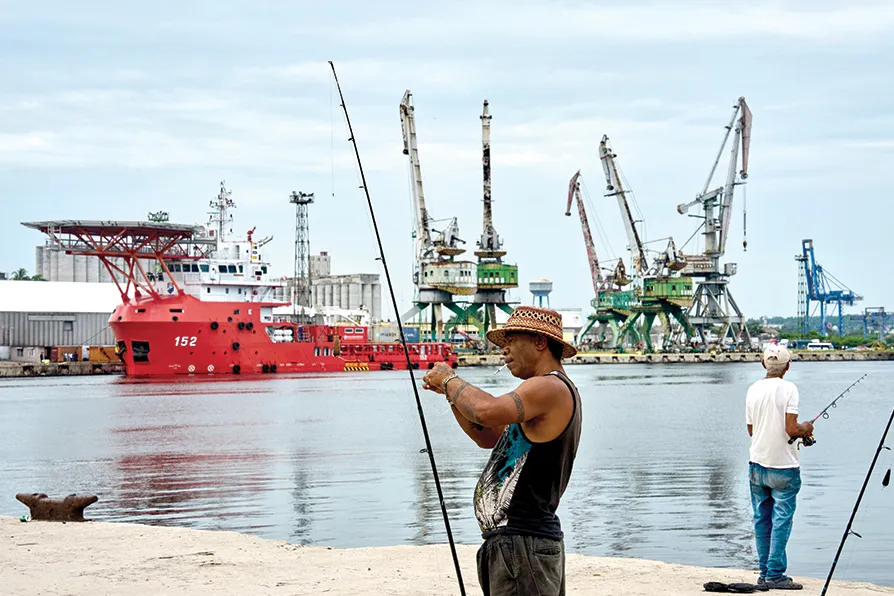
Trade unionists are mobilising to support Cuban workers and public services, amid escalating US pressure on the socialist island. RONAN OGILVY explains


AFTER England’s defeat to Italy, it sadly came as no surprise that a wave of online racist abuse was en route to England’s black players, exacerbated by Marcus Rashford, Jadon Sancho and Bukayo Saka missing crucial penalties.
The moment the ball failed to hit the net, most knew what to expect from the bigoted underbelly that the sport has yet to eradicate.
However, just as predictable as the vulgar racism, were the cries from English leftists and liberals of: “This is why I don’t support England” and “This is why England deserved to lose.” By repeating these tropes they fell into the trenches of the culture war being staged between “normies” and politicos.
Why is it that so many see England, and more specifically English football, as exceptional in its racism, and what does wishing for England’s demise seek to accomplish?
There is an argument for a “special kind” of English racism derived from our country’s history of imperialism and colonialism, with the history and ideological implications of the British empire still hard to escape and disentangle from our national identity.
But this makes a distinction between England and, say, Poland; but it doesn’t differentiate us from Belgium, the Netherlands and France, to name but a few who also had colonial empires.

Similar stories
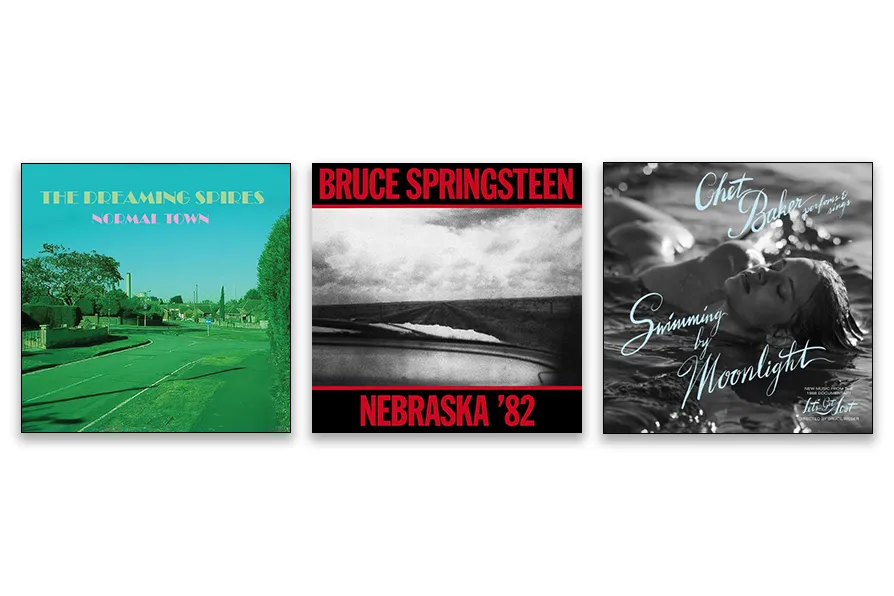
New releases from The Dreaming Spires, Bruce Springsteen, and Chet Baker
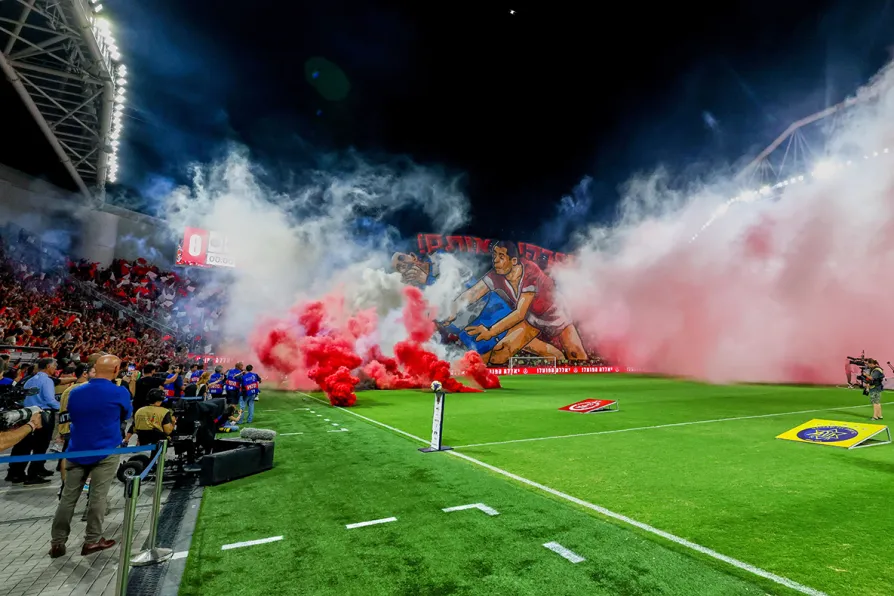
The ban on Maccabi Tel Aviv fans was based on evidence of a pattern of violence and hatred targeting Arabs and Muslims, two communities that have a large population in Birmingham — overturning the ban was tacit acceptance of the genocidal ideology the fans espouse, argues CLAUDIA WEBBE

In his second round-up, EWAN CAMERON picks excellent solo shows that deal with Scottishness, Englishness and race as highlights
