ANGUS REID, ANDY HEDGECOCK and MARIA DUARTE review On The Sea, A Useful Ghost, Brunello: The Gracious Visionary, and Pinocchio Unstrung


 Latest editorial

‘Beauty is truth, truth beauty’
The great English poet JOHN KEATS died 200 years ago and his radical understanding of aesthetics reaches far into the future, writes Jenny Farrell
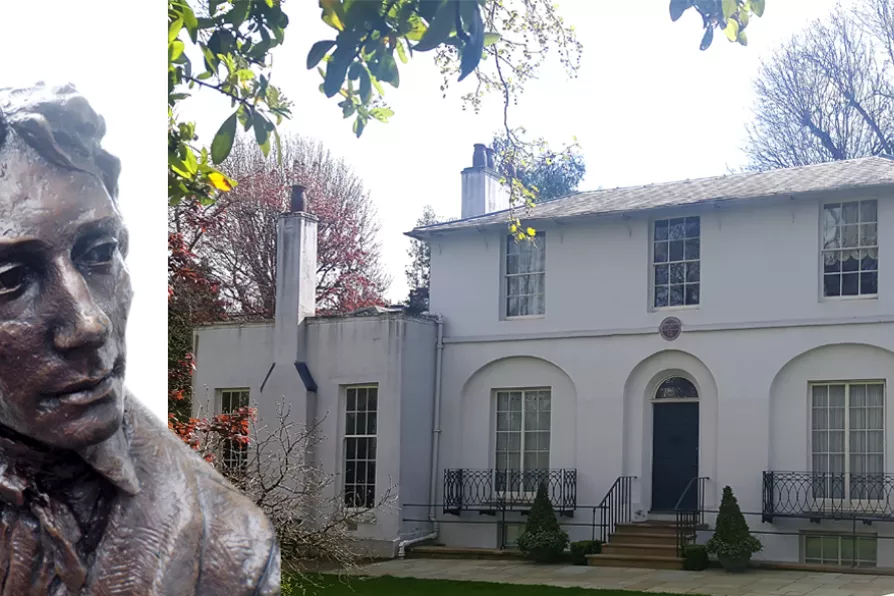 (L to R) John_Keats sculpture by Vincent Gray in Chichester and the poet's former home in Hampstead, now the Keats House museum
[(L to R) Sidpickle and Alphauser/Creative Commons]
(L to R) John_Keats sculpture by Vincent Gray in Chichester and the poet's former home in Hampstead, now the Keats House museum
[(L to R) Sidpickle and Alphauser/Creative Commons]

RON JACOBS enjoys a great tale, told by a US communist, of the lives of working-class New Yorkers
BRENT CUTLER searches a new history of contemporary Iran for an understanding of the Islamic Republic, finding both interesting detail and glaring omissions
MARIA DUARTE recommends the true story of the remarkable woman who sued Donald Trump for sexual assault not once, but twice
KENNY MacASKILL is disappointed by a polemical, rather than factual, account of the Lone Star State and its political path since the civil war
PAUL DONOVAN is fascinated by the lives of Charles and Mary Bagot, and the insight this biography shines on the morals of pre-Victorian society
GORDON PARSONS appreciates fine performances and a feel for ambiguity, but misses the music of the dialogue


ACCORDING to George Bernard Shaw, John Keats “achieved the very curious feat of writing a poem of which it may be said that if Karl Marx can be imagined writing a poem instead of a treatise on Capital, he would have written Isabella.”
Shaw’s view clashes with that of most mainstream critics, who deny Keats any political thought and declare him a worshipper of some unspecified “beauty.” But the 200th anniversary of Keats’s death on February 23 at the age of only 25 is an opportunity to reclaim the reputation of this revolutionary romantic.
In his time, the implications of the English and then the American and French revolutions, heralding the arrival of capitalist society in Europe and elsewhere, were understood and feared by conservative governments across Europe.

Similar stories

Nature as well as society works dialectically, asserts the Marx Memorial Library and Workers’ School
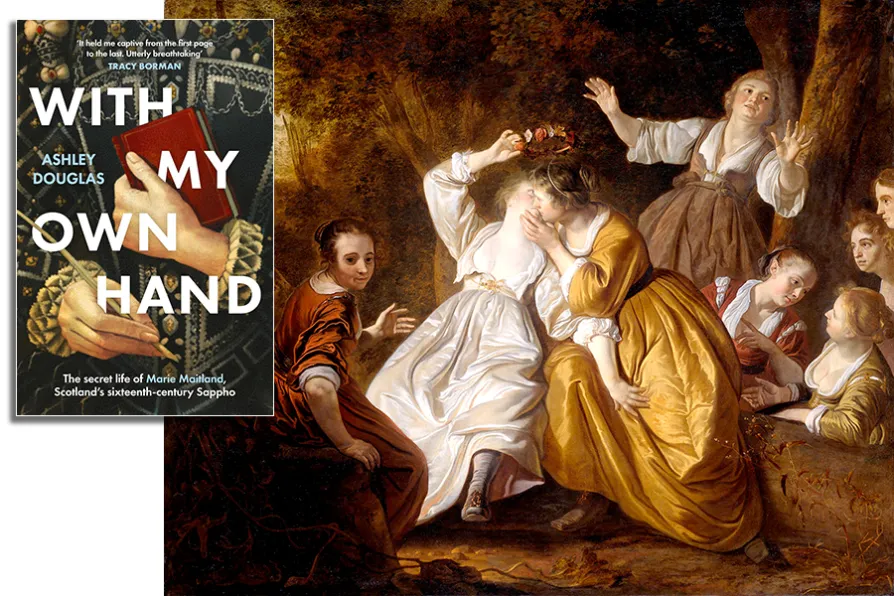
DIANE WATT argues that while evidence of sex is not there, a 16th‑century lesbian poet could be Scotland’s answer to Gentleman Jack
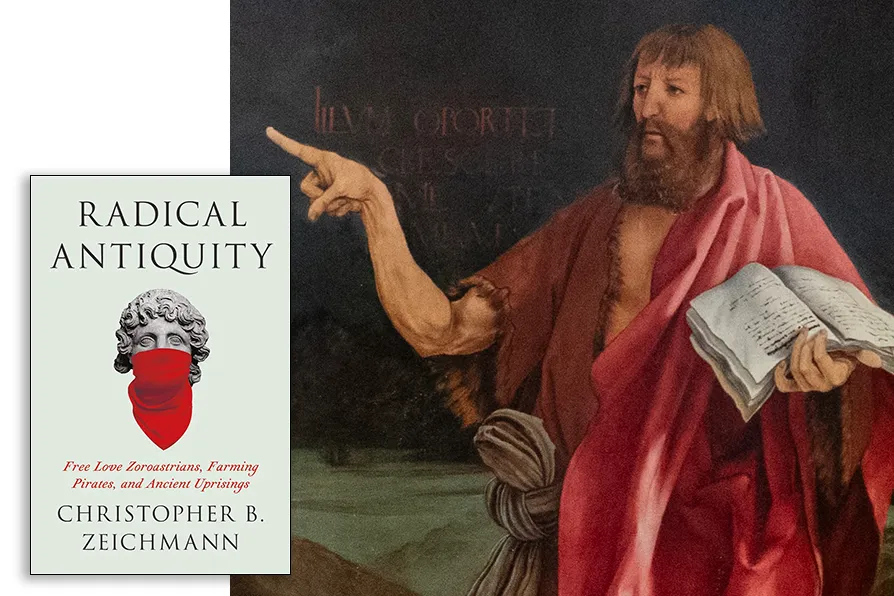
STEVE ANDREW enjoys an account of the many communities that flourished independently of and in resistance to the empires of old
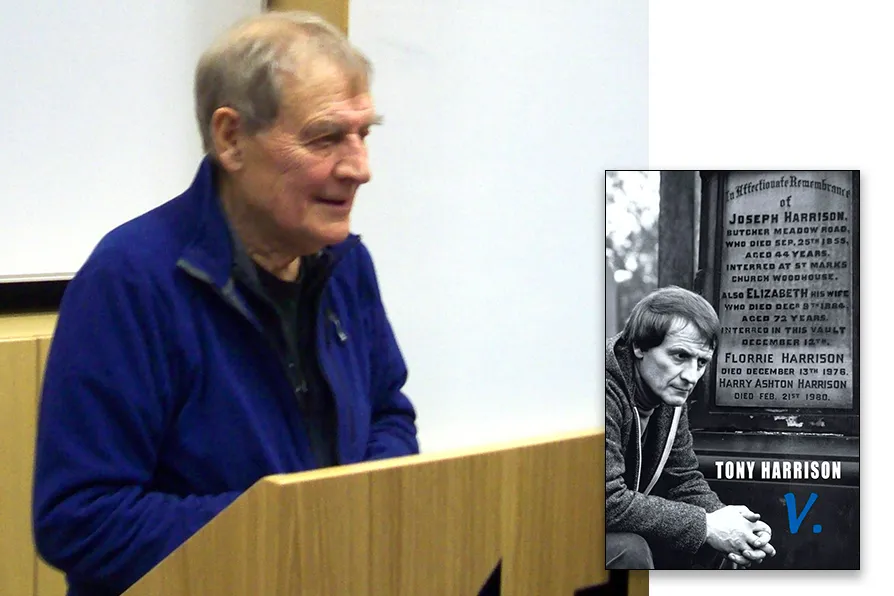
ALAN MORRISON celebrates life and work of the late Tony Harrison, 1937-2025