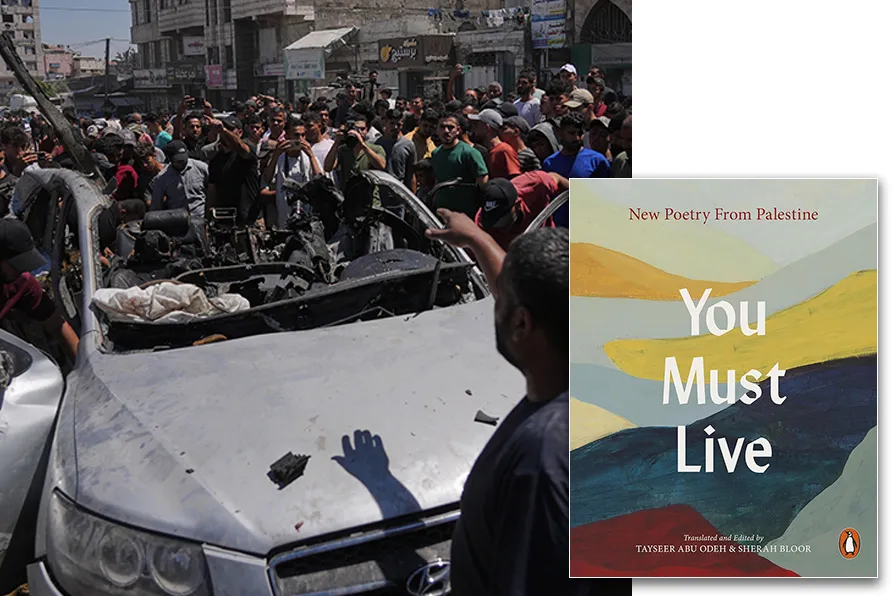
JAMIE BRITTON recommends that we all buy at least two copies of a remarkable book of poems


Lenin Statue, Schwerin, Germany
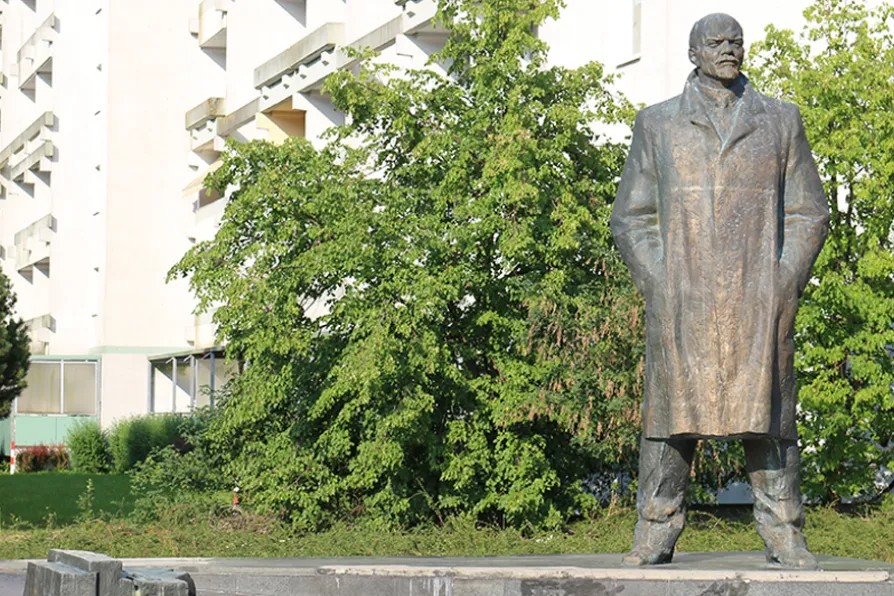
 Lenin Statue, Schwerin, Germany
[Carlos Gomes]
Lenin Statue, Schwerin, Germany
[Carlos Gomes]
The bard joins the Carnival Against Fascism, which summer fun sends him down Memory Lane
FIONA O’CONNOR is bowled over by a stunning Welsh language drama
MARIA DUARTE and MICHAL BONCZA review Virginia Woolf’s Night & Day, Familiar Touch, Nino, and Toy Story 5
MATTHEW HAWKINS explores the initiatives proposed by HEALING ARTS SCOTLAND
ALEX HALL welcomes an analysis of how modern capitalism is deeply intertwined with emotions, and their manipulation


WHEN Lenin died in at the age of 53 in 1924, despite his wife Nadezhda Krupskaya’s strong protestations, a process of political hagiography was instantly initiated by Joseph Stalin, who set up the Commission for Immortalisation of Lenin’s Memory.
Contrary to Lenin’s own wish for an ordinary funeral, his body was embalmed and put on public display as a quasi religious relic.
Krupskaya pointed out that Lenin had no time for pomp and ceremony and profoundly disliked all adulation sincere or otherwise. She believed his legacy should be honoured by “building kindergartens, housing, factories, libraries and hospitals, homes for the disabled.”

Similar stories
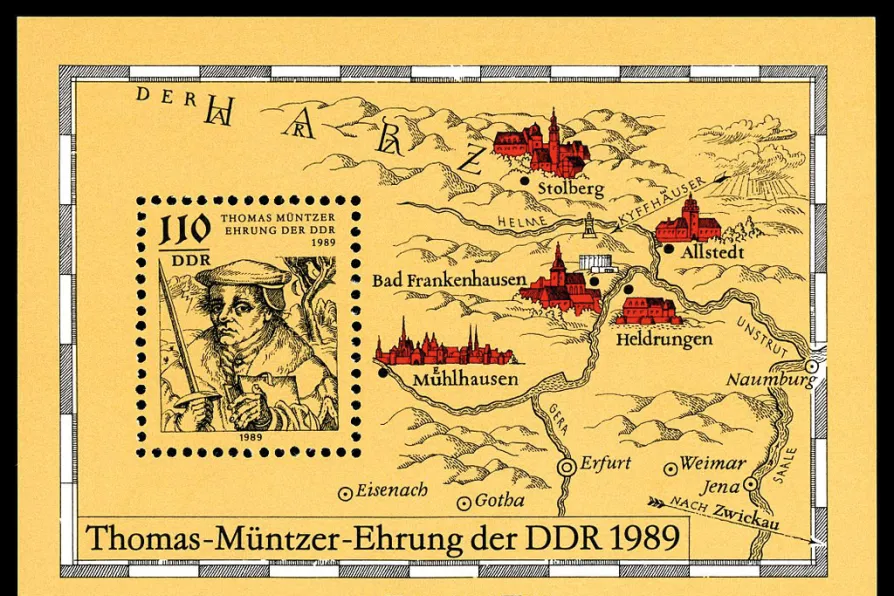
NICK MATTHEWS recalls how the ideals of socialism and the holding of goods in common have an older provenance than you might think
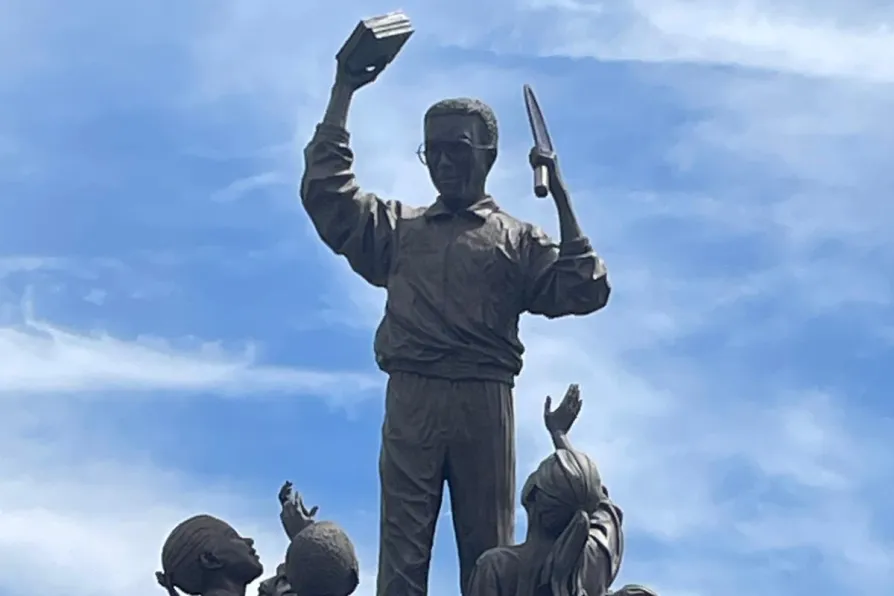
Still the only black man to win the US Open tennis title, a statue of the legendary champion, Arthur Ashe, is now the only one remaining on Monument Avenue in his Richmond, Virginia hometown, where confederate leaders of the Civil War were also once displayed, writes LINDA PENTZ GUNTER
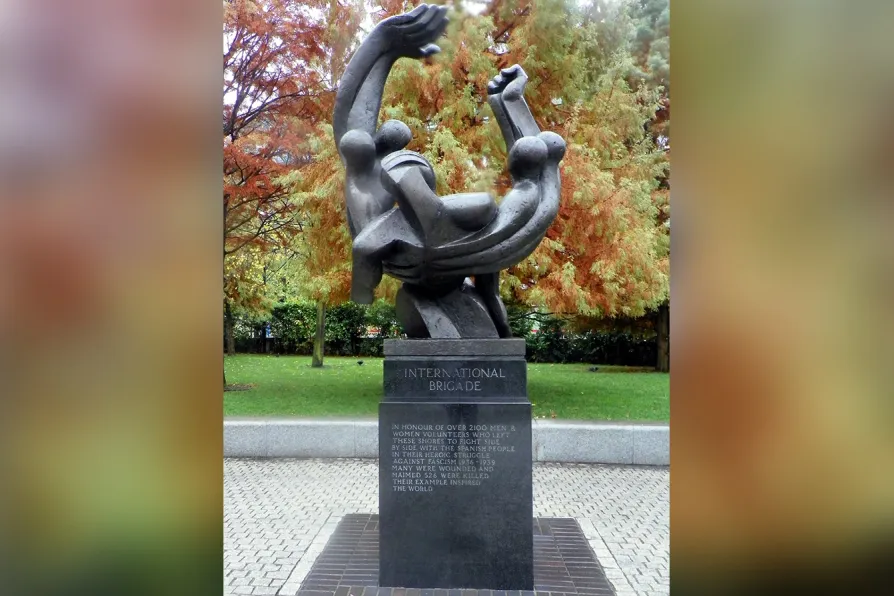
LYNNE WALSH tells the story of the extraordinary race against time to ensure London’s memorial to the International Brigades got built – as activists gather next week to celebrate the monument’s 40th anniversary