New releases from Laura Veirs, The Waterboys, and Yard Act


 Latest editorial
Bleak consequences of a malevolent machine age at the point of collapse
Fabian Scheidler's book pinpoints how the destructive history of militarised states, capital accumulation and ideological power is threatening our future, says JOHN GREEN
 ‘MEGAMACHINE’ VICTIM: Slum dweller, Jakarta

Ron's rages are sincere and — according to his wife — healthily cathartic. But can these splenetic outbursts loosen the grip of capitalism at its most monstrous?
ANGUS REID considers the power of the podcast as a vehicle for consensus building in opposition to mainstream media narratives
GLENN FOSBRAEY recommends a biography worth reading for both existing George Michael fans and those yet to be converted
FRANCIS DEVINE introduces a new collection of essays that draws on Pease McKenna’s example to indicate future paths for the movement
KEVIN DONNELLY and MARIA DUARTE review Shoot the People, The Last One For The Road, Rosebush Pruning, and Moana
JAMES WALSH recommends an exceptional documentary about the experience of Western doctors in Gaza


The End of the Megamachine
By Fabian Scheidler
(Zero Books, £19.99)
SPANNING 5,000 years of history, this magisterial book by Fabian Scheidler explains how and why both our ecosystems and societies are on the brink of collapse.
Scheidler does not provide a chronological history in the traditional sense but looks at the emergence of modern civilisation and the capitalist system from new and unusual perspectives. He does not aim to provide a history of humankind but the story of a specific social system.

Similar stories
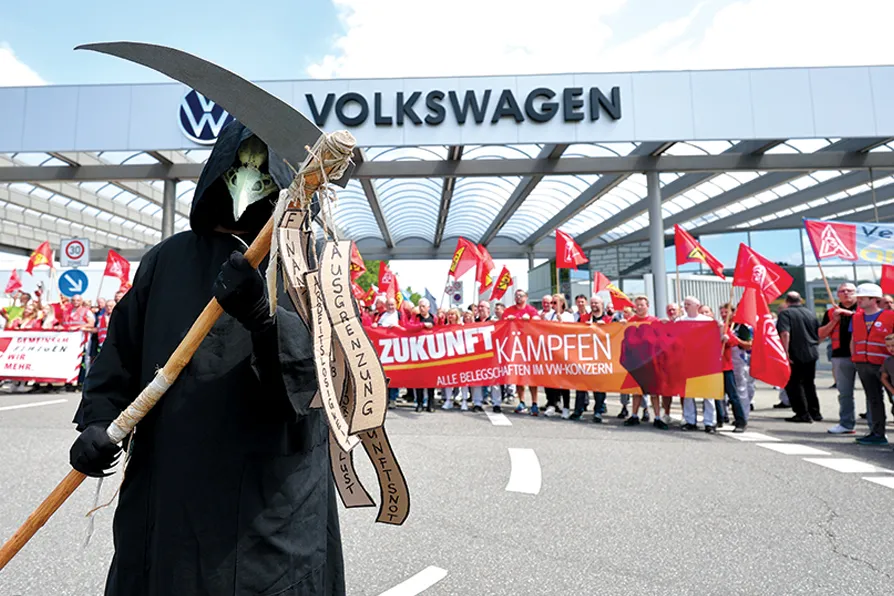
The future does not have to be climate chaos and social breakdown. MARC VANDEPITTE looks at the alternatives offered by the Global Justice Report, co-authored by Thomas Piketty

Marking milestones in the histories of China and the United States, this week offers a chance to examine two very different visions of the international order, says CARLOS MARTINEZ
TOMASZ PIERSCIONEK is intrigued by a the changing significance of its vast areas of forest to Russia’s history

ALEX HALL is fascinated by a lucid and historically convincing account of how rent has dominated capitalist economies from feudalism to modernity