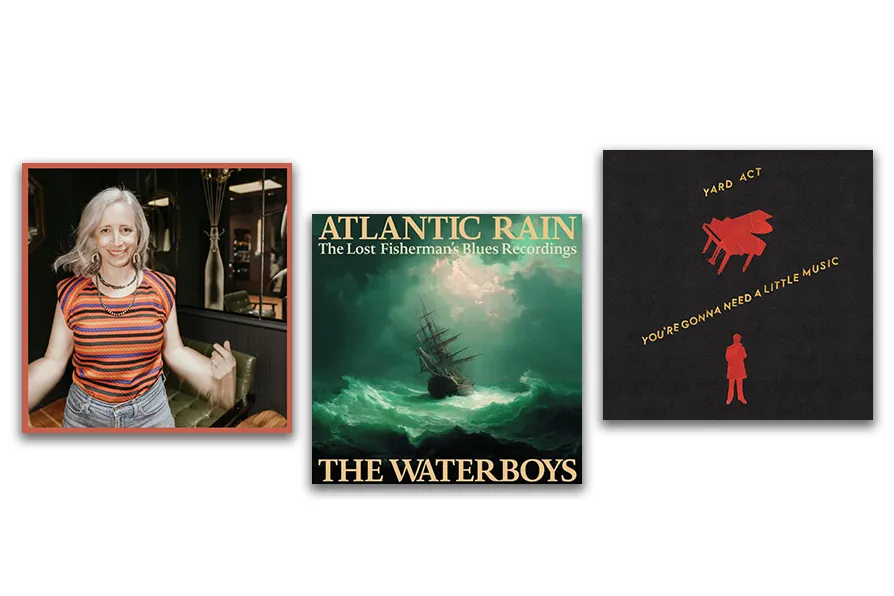
New releases from Laura Veirs, The Waterboys, and Yard Act


 Latest editorial
On McQuillan's Hill, Finborough Theatre London
Tragicomic take on Irish republicanism, warts and all
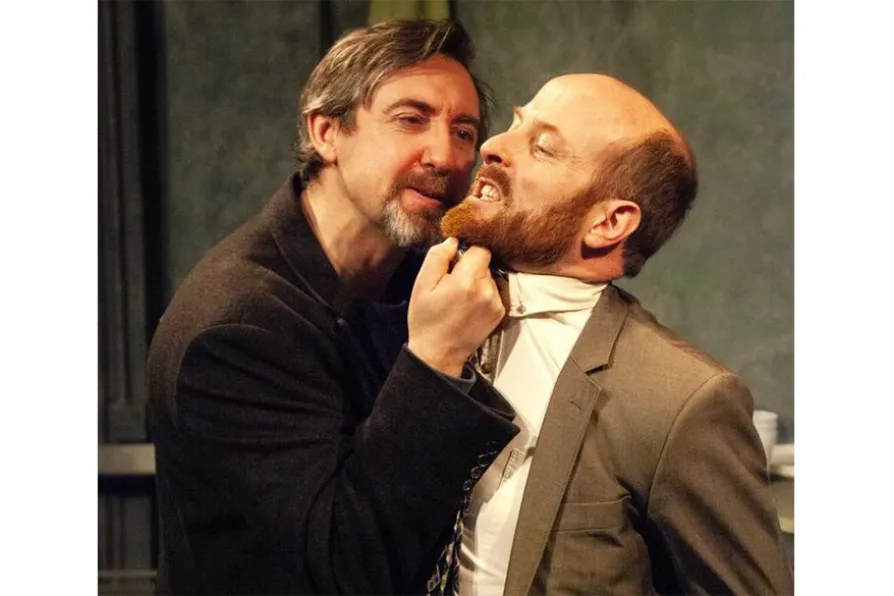 EXCEPTIONAL: Johnny Vivash and Kevin Murphy
[Bronwen Sharp]
EXCEPTIONAL: Johnny Vivash and Kevin Murphy
[Bronwen Sharp]
Ron's rages are sincere and — according to his wife — healthily cathartic. But can these splenetic outbursts loosen the grip of capitalism at its most monstrous?
ANGUS REID considers the power of the podcast as a vehicle for consensus building in opposition to mainstream media narratives
GLENN FOSBRAEY recommends a biography worth reading for both existing George Michael fans and those yet to be converted
FRANCIS DEVINE introduces a new collection of essays that draws on Pease McKenna’s example to indicate future paths for the movement
KEVIN DONNELLY and MARIA DUARTE review Shoot the People, The Last One For The Road, Rosebush Pruning, and Moana
JAMES WALSH recommends an exceptional documentary about the experience of Western doctors in Gaza


ANYONE interested in Ireland’s republican movement should see the English premiere of this play by the late Joseph Crilly.
Set in the aftermath of the Good Friday Agreement, it centres around newly released IRA man Fra Maline. A reception has been arranged for the ex-prisoner in a rundown hall on the outskirts of the village of McQuillan’s Hill in rural mid-Ulster and, while we never see the party itself, we’re treated to some excellent scenes devoted to its build-up and aftermath.
Maline’s nearest and dearest have been invited, including his supposed daughter Theresa and, as she helps clean up after her father’s welcome home party, we meet his sister Loretta. Newly returned to Ireland, she’s secretly bought the hall and employed her old lover Ray McCullion to give it a quick paint-over.

Similar stories
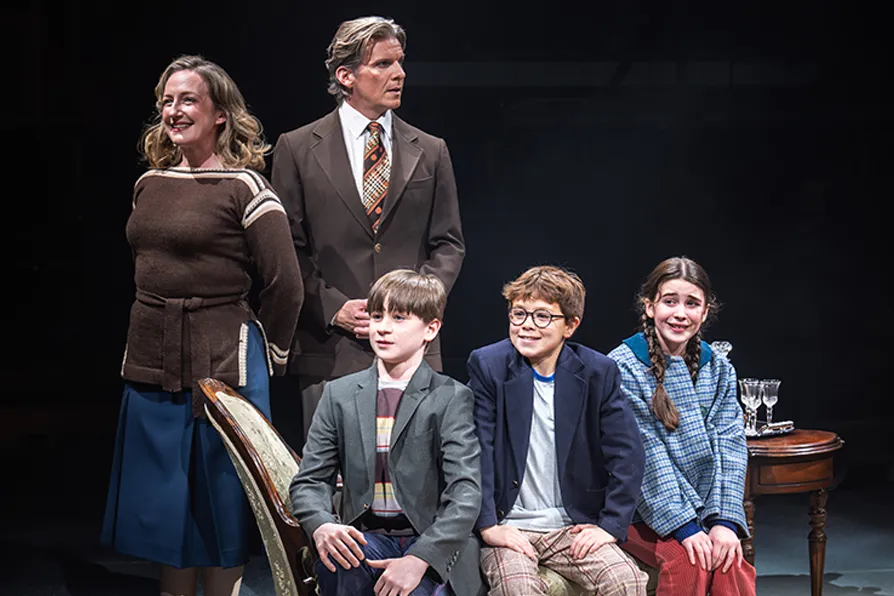
PAUL FOLEY revels in the coolest, most joyful piece of theatre you’ll get this summer

MARY CONWAY applauds the timely revival of Miller’s study of people fatally deformed by the economics of survival
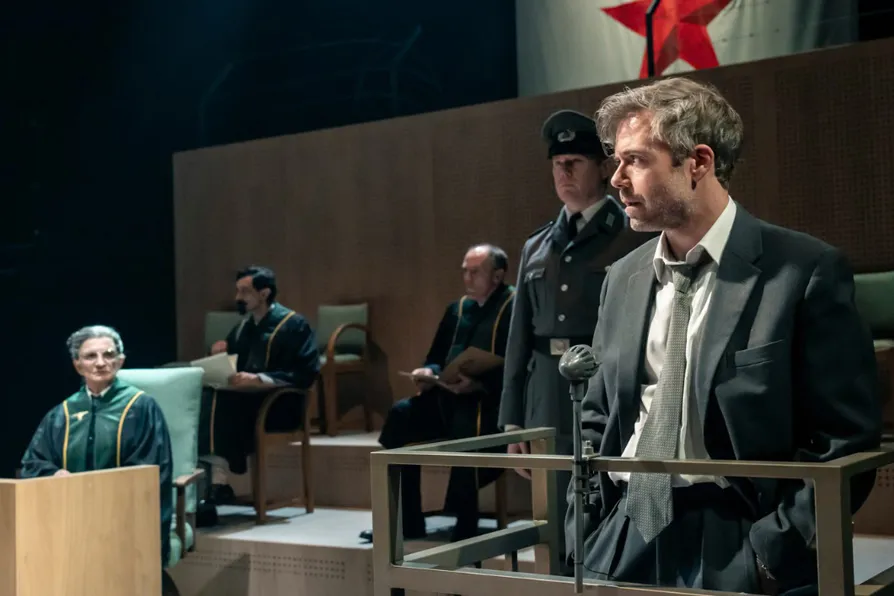
PETER MASON applauds a stage version of Le Carre’s novel that questions what ordinary people have to gain from high-level governmental spying
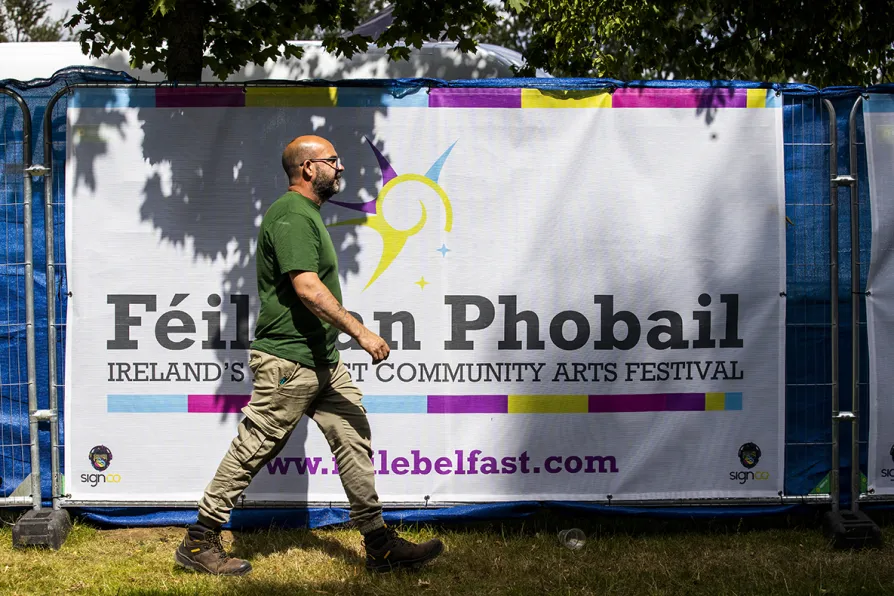
Why not pay a visit to Feile an Phobail, a people’s festival of community arts with roots in the days of internment without trial, and where the spirit of solidarity remains undimmed, says LYNDA WALKER