DAVID YEARSLEY is fascinated by the account of four composers who transformed their experiences of the second world war and the Holocaust into deeply moving works of art


 Latest editorial
How to Speak Machine by John Maeda
Primer on computer language sometimes gets its calculations wrong
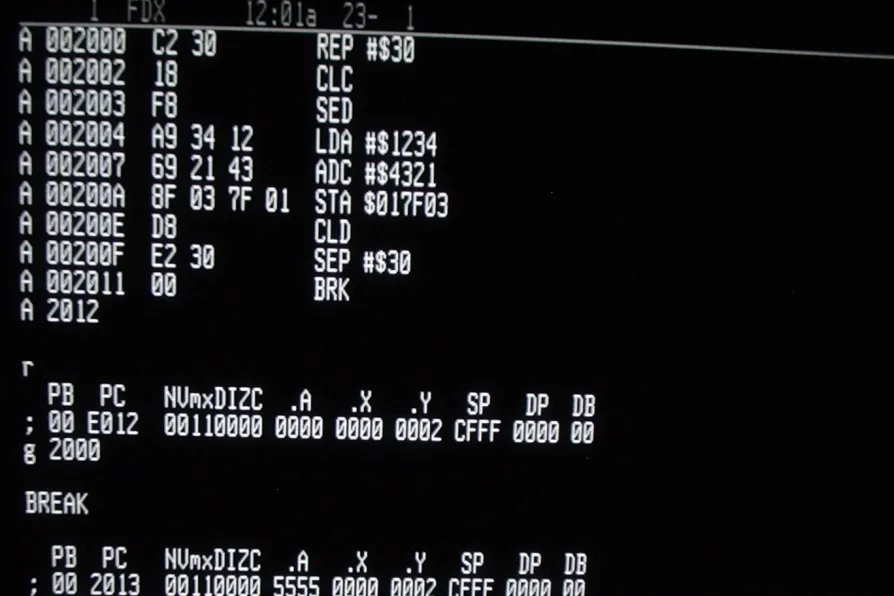 CODED COMMUNICATION: Completion of a computer programme

PETER MASON thrills to the sound of south London-born Yussef Dayes, and the galaxy of musicians drawn into his orbit
From post-human revolution in Puerto Rico to trans poetics and queer mythmaking, these three books that imagine new ways of being together
JAMIE BRITTON recommends that we all buy at least two copies of a remarkable book of poems
Re-releases from Iain Matthews, Quicksilver Messenger Service, and The Charlie Daniels Band
JAMIE BRITTON recommends that we all buy at least two copies of a remarkable book of poems


AMONG the many divides in our world, according to technologist John Maeda, is that between those who “speak machine” and those who don’t. With an aim to influencing the future, his book How to Speak Machine encourages readers to be “early adopters” of the language of computers.
Explaining the principles behind coding to non-coders is not an easy task. As somebody who codes, I liked Maeda’s example of his own wonder when he discovered how loops work, or when he saw the internet for the first time.

Similar stories
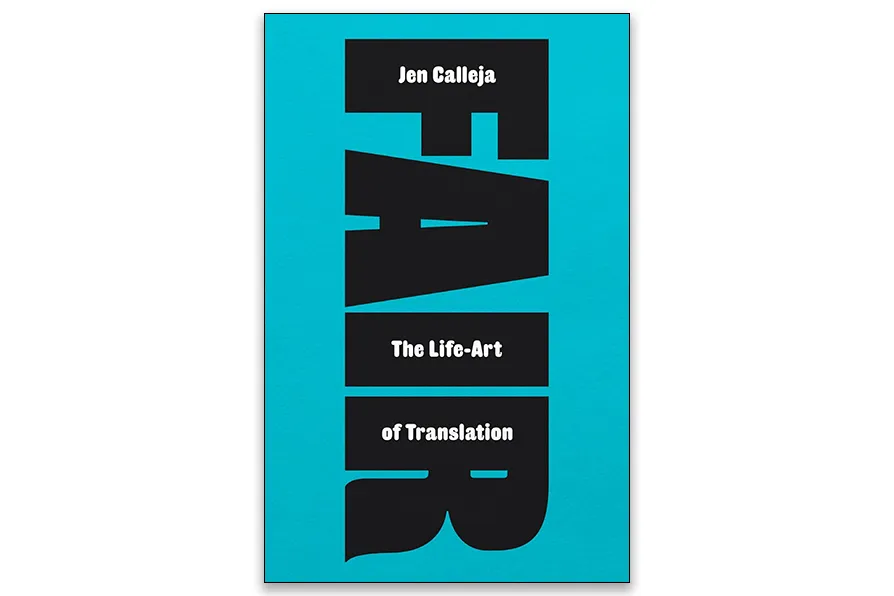
KEN COCKBURN relishes the memoir of a translator, but wonders whether the autobiography underlying the impulse would make a better book
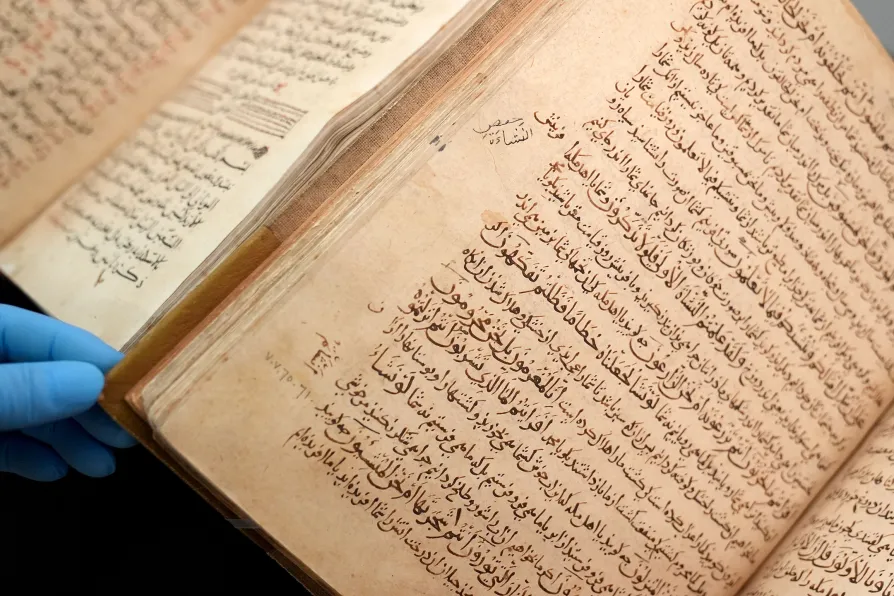
GORDON PARSONS is enthralled by an erudite and entertaining account of where the language we speak came from
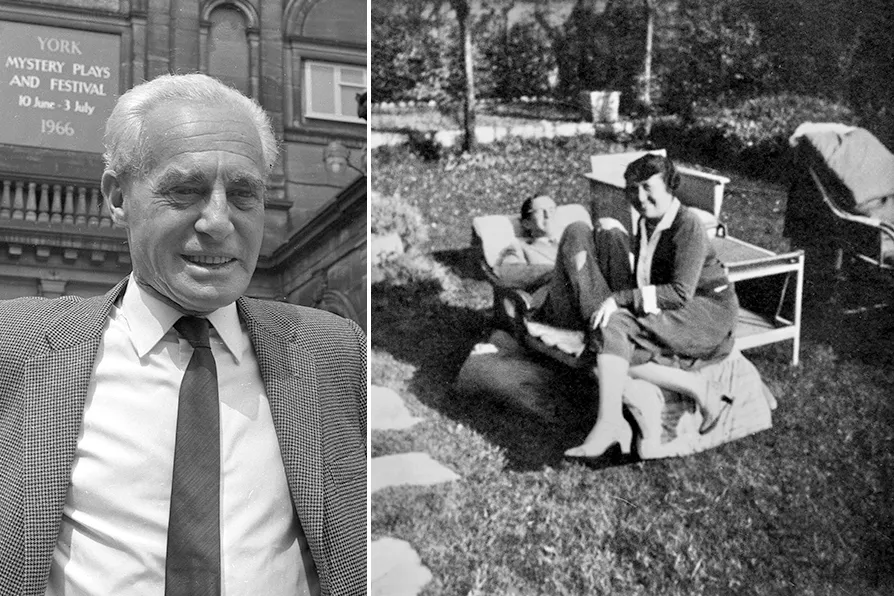
The creative imagination is a weapon against barbarism, writes KENNY COYLE, who is a keynote speaker at the Manifesto Press conference, Art in the Age of Degenerative Capitalism, tomorrow at the Marx Memorial Library & Workers School in London

At the very moment Britain faces poverty, housing and climate crises requiring radical solutions, the liberal press promotes ideologically narrow books while marginalising authors who offer the most accurate understanding of change, writes IAN SINCLAIR