New releases from Laura Veirs, The Waterboys, and Yard Act


 Latest editorial
Class solidarity is no walk in the park
ADAM THERON-LEE RENSCH talks to Mike Quille about what it is to be a working-class writer in the US and patronising perceptions of class that abound left, right and centre
 Adam Theron-Lee Rensch

Ron's rages are sincere and — according to his wife — healthily cathartic. But can these splenetic outbursts loosen the grip of capitalism at its most monstrous?
ANGUS REID considers the power of the podcast as a vehicle for consensus building in opposition to mainstream media narratives
GLENN FOSBRAEY recommends a biography worth reading for both existing George Michael fans and those yet to be converted
FRANCIS DEVINE introduces a new collection of essays that draws on Pease McKenna’s example to indicate future paths for the movement
KEVIN DONNELLY and MARIA DUARTE review Shoot the People, The Last One For The Road, Rosebush Pruning, and Moana
JAMES WALSH recommends an exceptional documentary about the experience of Western doctors in Gaza


Can you tell us about the book and why you decided to write it as a memoir?
I was very resistant to writing a traditional memoir, and the first draft of the book included very little personal narrative.
I believe the memoir or “creative nonfiction” genre tends to perpetuate neoliberal narratives that eliminate structural critique in favour of emotional identification. Everything becomes about the writer as an individual: their suffering, their triumph, etc. Who cares about the larger set of social relations that make this possible? What matters is what is moving enough to sell copy. So, I knew I didn’t want to play into this.
At the same time, I realised my life was something of a convenient structure onto which I could hang my critique. I was born in 1984, came of age in the post-9/11 landscape, and internalised the liberal obsession with meritocracy. If I was going to make something of myself, I thought, I had to become educated.

Similar stories
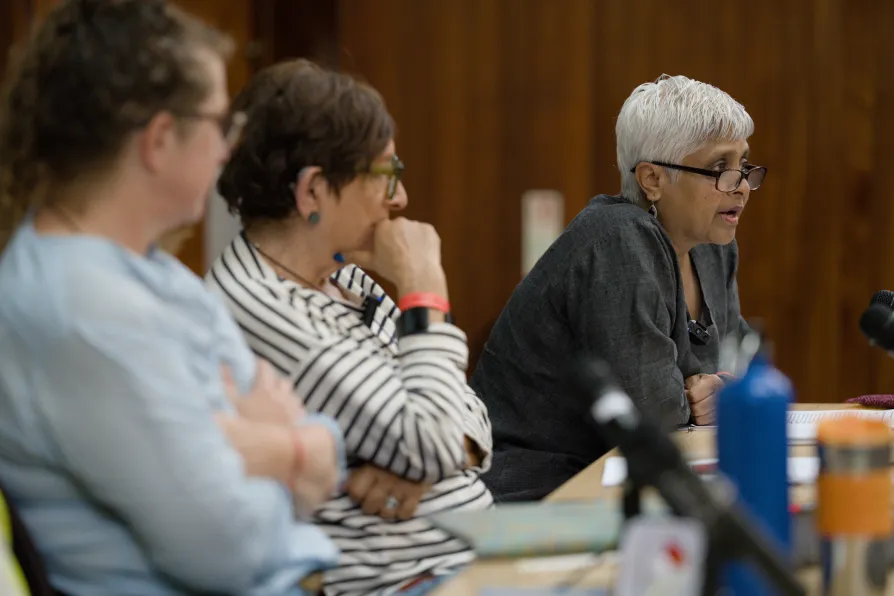
Socialists, feminists and trade unionists gathered in Manchester to launch a network committed to evidence-based activism with a renewed emphasis on class and collective struggle. ANNA BARRETT reports
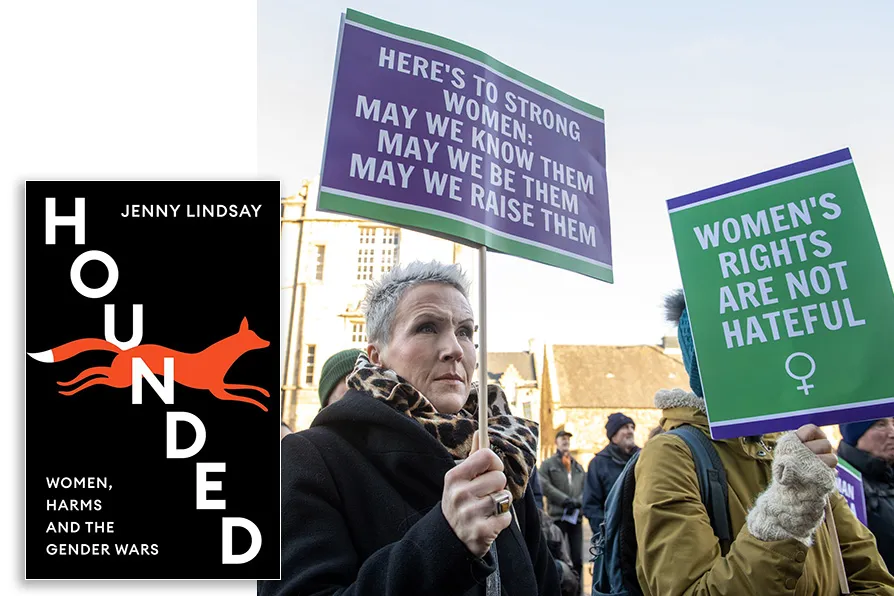
WILL PODMORE welcomes the case put by a feminist, disentangling the abusive rhetoric of the trans rights debate

Deep disillusionment with the Westminster cross-party consensus means rupture with the status quo is on the cards – bringing not only opportunities but also dangers, says NICK WRIGHT
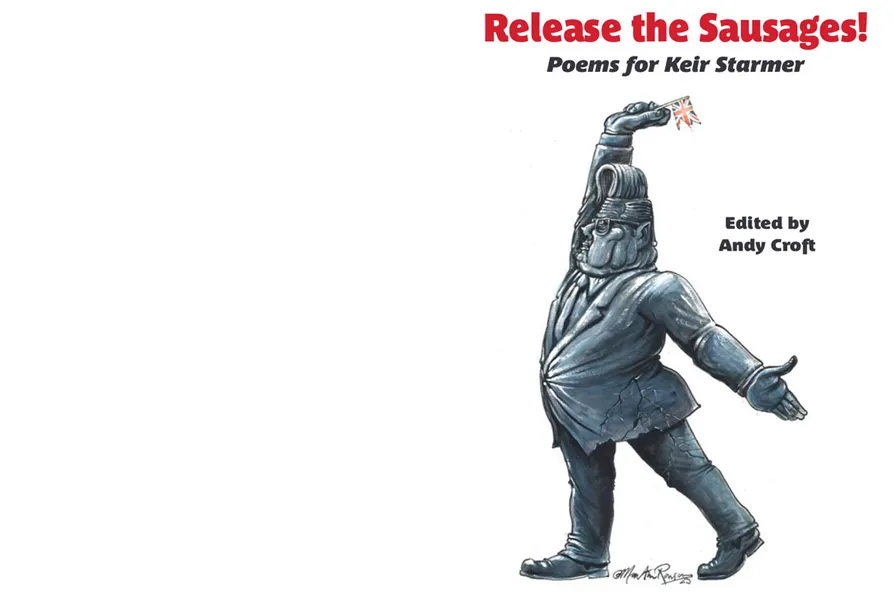
ANDY CROFT rallies poets to the impossible task of speaking truth to a tin-eared politician