

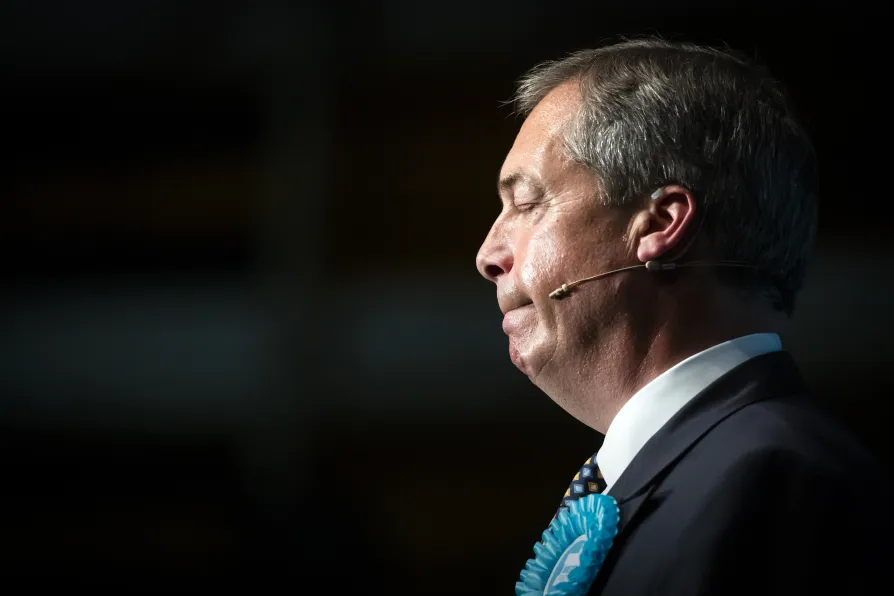
 Nigel Farage
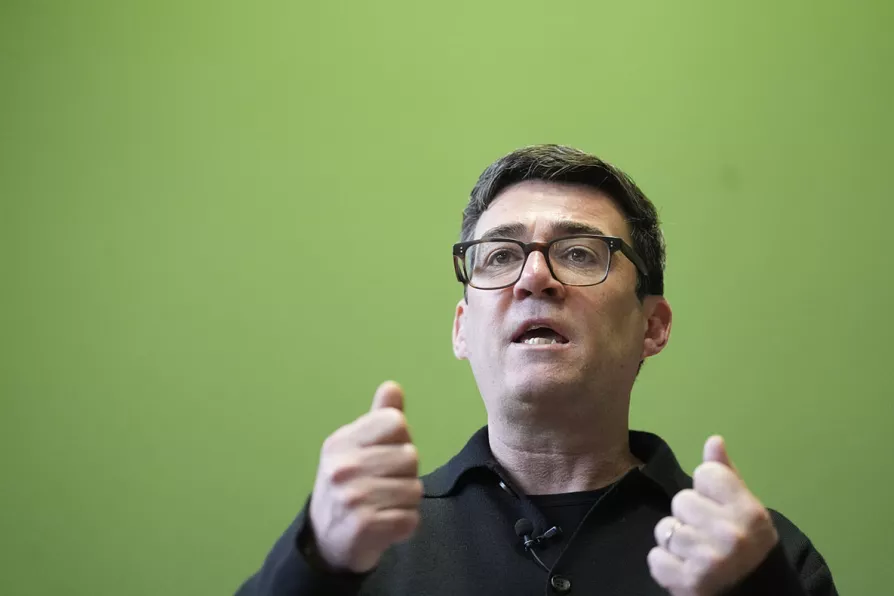


THOUGH Nigel Farage is currently playing hard to get with Conservative donors looking for an electoral pact with the Brexit Party, an alliance between the two is a real threat.
Farage’s new outfit is a force that cannot be ignored. Its first place in the European elections reflects a single-issue vote in which people’s attitudes to Brexit trumped all other considerations, and Labour’s Peterborough victory showed the left can still overcome that division.
Nonetheless a Sunday Times poll showing it in first place nationally — with Labour and the Tories competing for second place — shows that it is not going anywhere.
The reason the Brexit Party is popular is straightforward. Three years after voting to leave the EU we haven’t done so.
Parliament has failed to act on the wishes of the majority in a referendum it decided to hold and which the Conservatives, Labour and the Liberal Democrats — though not the Scottish National Party — voted in favour of holding and promised to honour.
While the Brexit Party took votes from both Labour and the Tories at the European elections, it did more damage to the latter.
In Peterborough the Tories went from a close second place in 2017 with 46.8 per cent of the vote to a dismal third with 21.4 per cent in 2019.
Polling for the Telegraph assessing the relative potential of different Conservative Party leadership hopefuls had candidates beating or losing to Labour largely on the strength of whether they could win back Brexit Party voters or not.
Polls are far from a reliable indicator of future election performance and Labour defied all expectations with an inspirational mass campaign in 2017.
Still, Boris Johnson is perceived to be more committed to Brexit than his rivals and is the frontrunner in the leadership race. He has the potential to reunite much of the Leave vote. He could well strike a deal with Farage.
This will be a big problem for Labour if it heeds voices like Tom Watson’s and decides to badge itself the Remain party.
On every other battlefield Labour can wipe the floor with the Conservatives. It has a strategy for a green industrial and energy revolution that puts the policies of all other parties to shame. Its commitment to public ownership of rail and utilities is overwhelmingly popular. Its plans for regional development banks would regenerate parts of the country characterised by decades of underinvestment. Its promise of higher wages and a transformation of workplace rights contrasts to a Tory Party promising more of the same.
But on Brexit Labour is vulnerable. It could send Leave supporters over to the Tories and the Brexit Party in droves if it backs Remain. There is no policy so likely to lose Labour the next election.
On the other hand Labour’s excellent performance in 2017 depended on its mass membership mobilising on a scale its rivals couldn’t match. There are indications that many young members who supported Remain are less motivated to campaign because they believe the party should be trying to stop us leaving the EU.
There is no easy solution to this paradox. But Labour members in 2017 accepted the national decision to leave and campaigned on a platform of social justice. They can be won back to do so again if the leadership is bolder in challenging the false narrative that equates the anti-democratic, structurally neoliberal European Union with progressive values.
Exposing the EU’s complicity in letting thousands of refugees drown in the Mediterranean, the rabidly anti-immigrant politics that increasingly dominates southern and eastern Europe, the car crash that is Emmanuel Macron’s attempt to revive “centrist” politics in France and the role of the Common Agricultural Policy in accelerating ecological disaster must go alongside the traditional socialist concerns over EU restrictions on state aid and public ownership if we are to win this argument and get Labour into office.

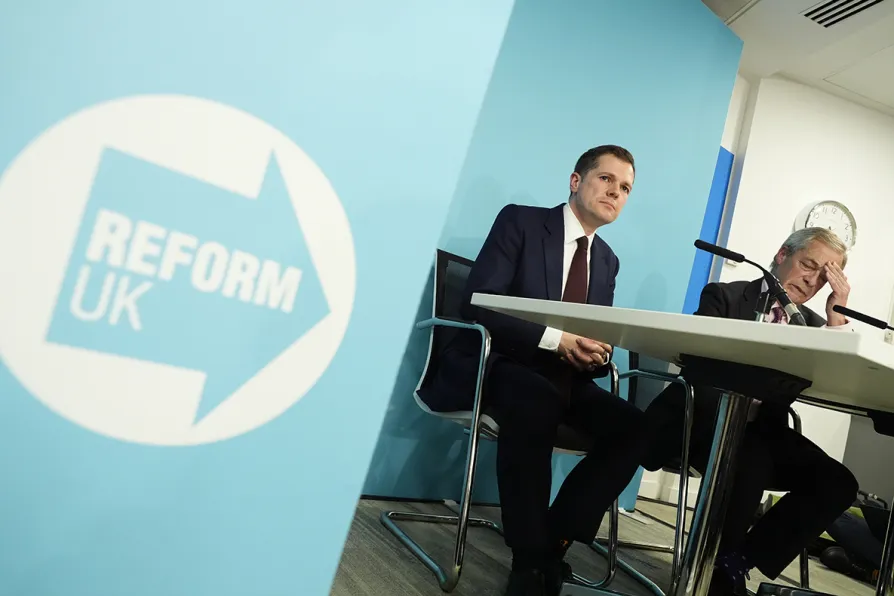
Once derided by Farage as a ‘fraud,’ Jenrick has defected to Reform, bringing experience and political ruthlessness to the populist right — and raising the unsettling prospect of a Farage-led movement with a seasoned operative pulling the strings, says ANDREW MURRAY

Every Starmer boast about removing asylum-seekers probably wins Reform another seat while Labour loses more voters to Lib Dems, Greens and nationalists than to the far right — the disaster facing Labour is the leadership’s fault, writes DIANE ABBOTT MP

Starmer sabotaged Labour with his second referendum campaign, mobilising a liberal backlash that sincerely felt progressive ideals were at stake — but the EU was then and is now an entity Britain should have nothing to do with, explains NICK WRIGHT
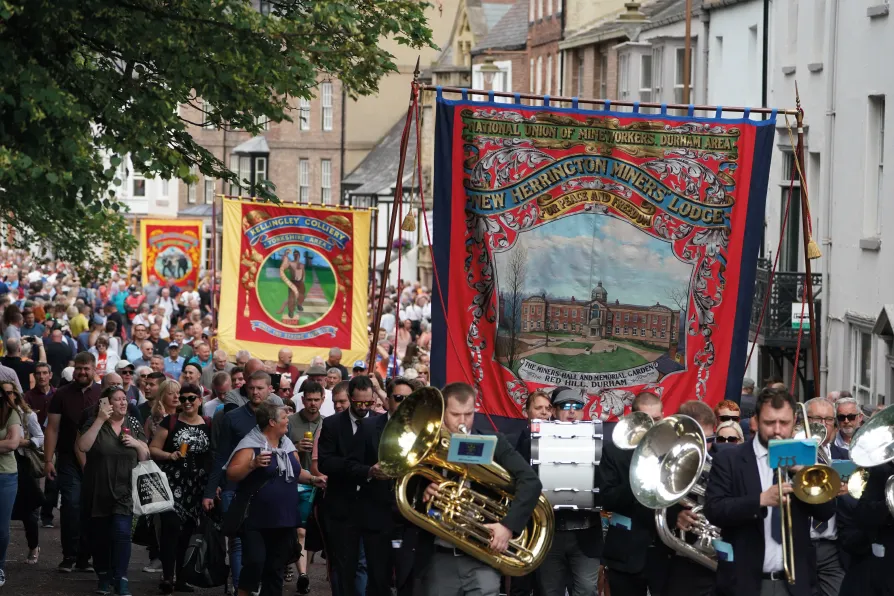
The Gala’s core message of working-class solidarity offers renewed hope and provides the antidote to the anti-worker policies of Reform UK, argues IAN LAVERY MP