The Tories introduced the 50% strike ballot threshold to make industrial action harder. MATT WRACK argues that a Labour government has no justification for leaving it on the statute book


 Latest editorial
Will TUC 2019 mark 'emancipation time' for trades councils?
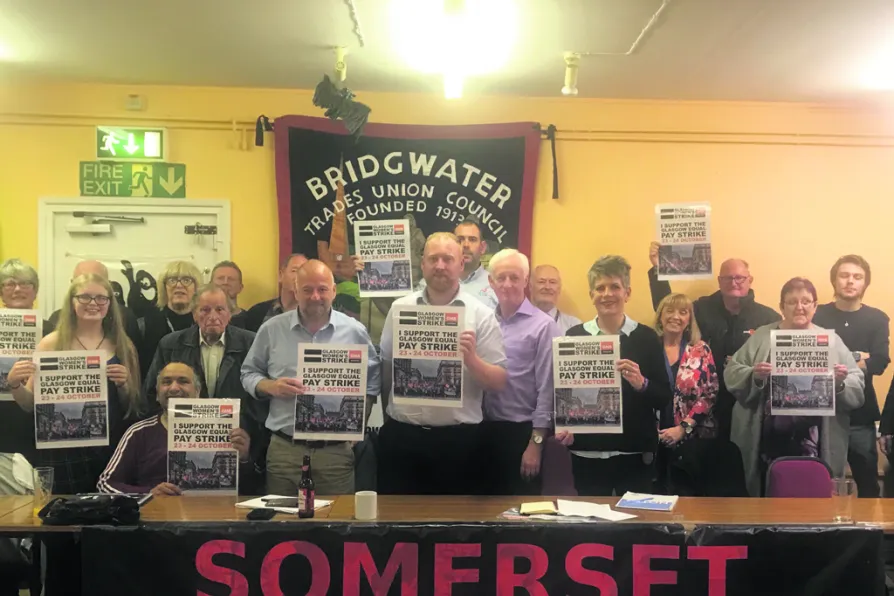 Bridgwater trades union council members showing support for the Glasgow women's equal pay strike last year
[Kate Pearce]
Bridgwater trades union council members showing support for the Glasgow women's equal pay strike last year
[Kate Pearce]
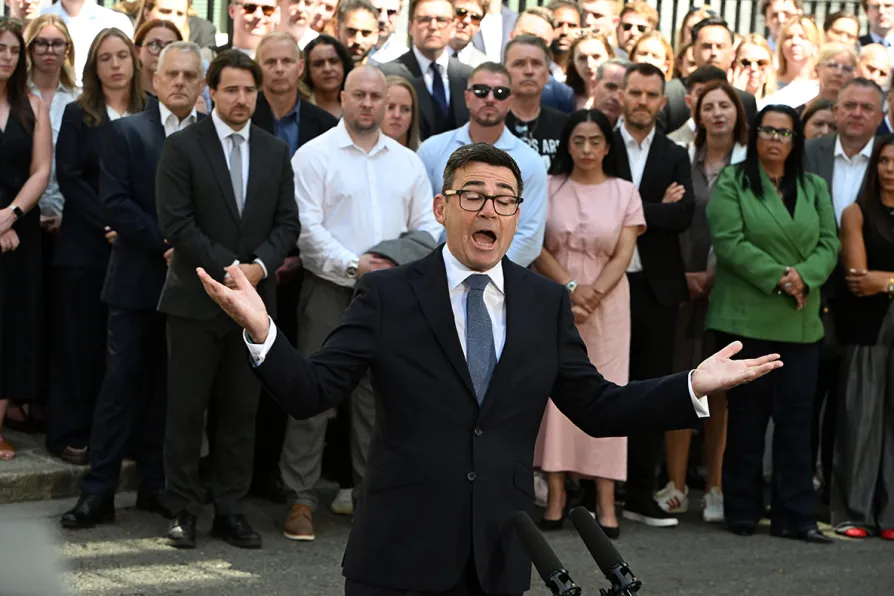
In the wake of Ann Widdecombe’s murder, JOHN GREEN wonders whether the government will really get to grips with the root cause of these attacks on our MPs
The new PM’s opening addresses offered hope, council homes and reform — but little detail on how any of it will be delivered, warns CLAUDIA WEBBE
Despite the screeching from the right-wing media, Burnham’s speech chimed with the public mood - and socialists should take advantage, says Morning Star editor BEN CHACKO
Scotland's Labour leader cannot continue to evade responsibility for the party's decline, argues LAUREN HARPER
Nature as well as society works dialectically, asserts the Marx Memorial Library and Workers’ School


LOCAL trades union councils – or “trades councils” for short – have been, for over 150 years, the active rank and file of our trade union movement.
In 1867 and 1868, trades councils in London, Manchester and Salford convened the national gatherings of trades unionists which became the TUC Congress.
Trades councils have been at the heart of all the major confrontations between labour and capital for the last 100 years: the autumn 1920 Councils of Action that prevented Winston Churchill waging war on the fledgling Soviet Union through Poland; the 1926 General Strike, where trades councils in many towns and cities assumed working-class power; the 1984-5 Miners’ Strike, where in many, if not most, cases trades councils set up the NUM Support Groups.

Similar stories
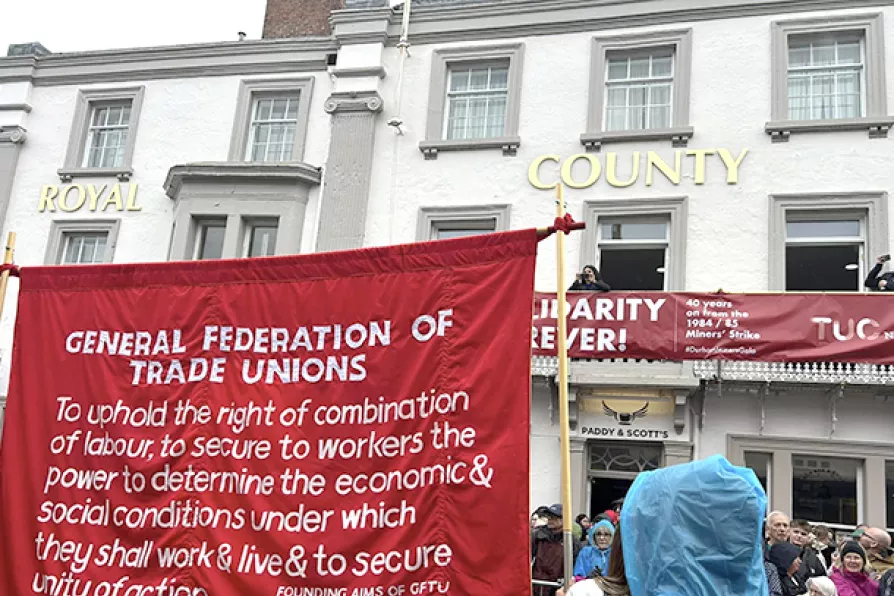
HENRY FOWLER outlines the GFTU’s new 2026-27 education programme and argues that investing in trade union education is essential to building worker power, developing leaders and strengthening collective action

The General Strike exposed the power of the working class — and the limits of its leadership, writes Dr DYLAN MURPHY
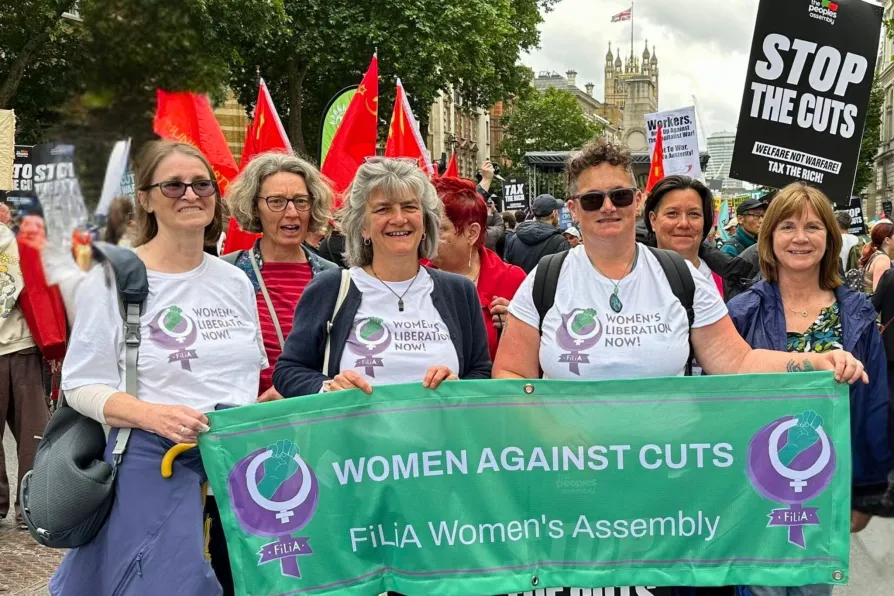
Women are a vital part of the labour movement and have much to contribute, but there’s far more to be done to make sure that our sisters’ voices are truly heard, says PHILIPA HARVEY
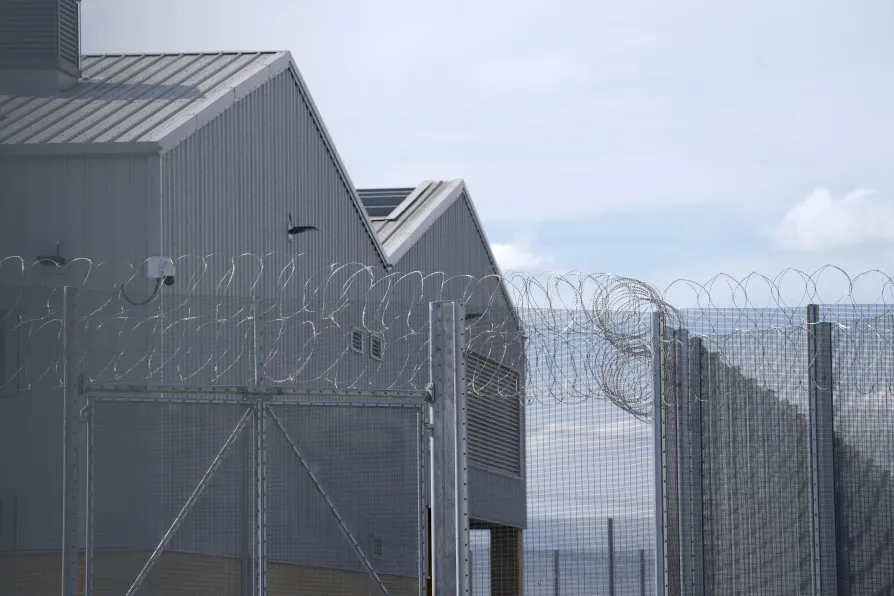
Our members face serious violence, crumbling workplaces and exposure to dangerous drugs — it is outrageous we still cannot legally use our industrial muscle to fight back and defend ourselves, writes STEVE GILLAN