The Tories introduced the 50% strike ballot threshold to make industrial action harder. MATT WRACK argues that a Labour government has no justification for leaving it on the statute book


 Latest editorial
Protests are progress
Marched, rallied, gone home and wondered what the point was? Don’t despair, even protests that feel like a failure often have unexpected impacts, write IAN SINCLAIR
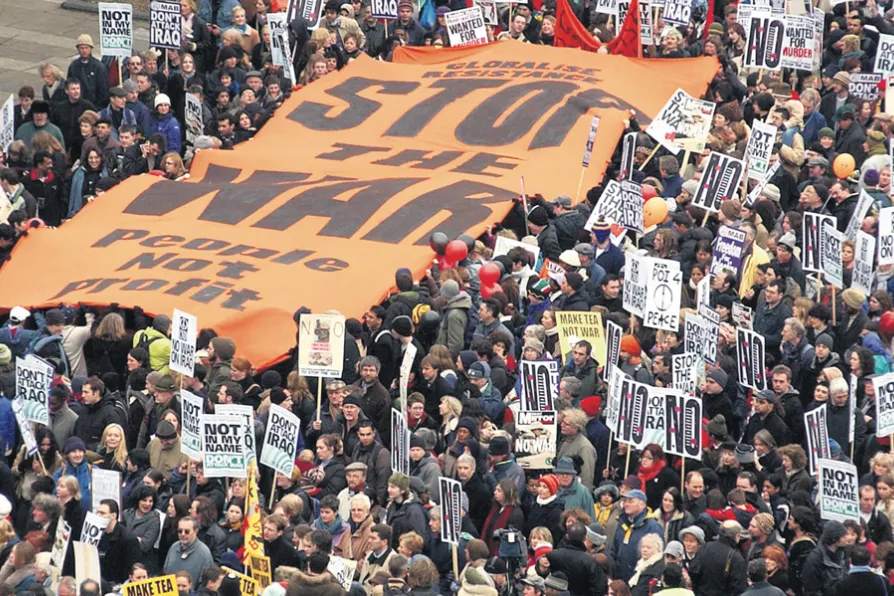 Although the demonstrations failed to stop the invasion of Iraq, they played a significant role in the success of Jeremy Corbyn, pictured here at a Stop The War rally in 2007
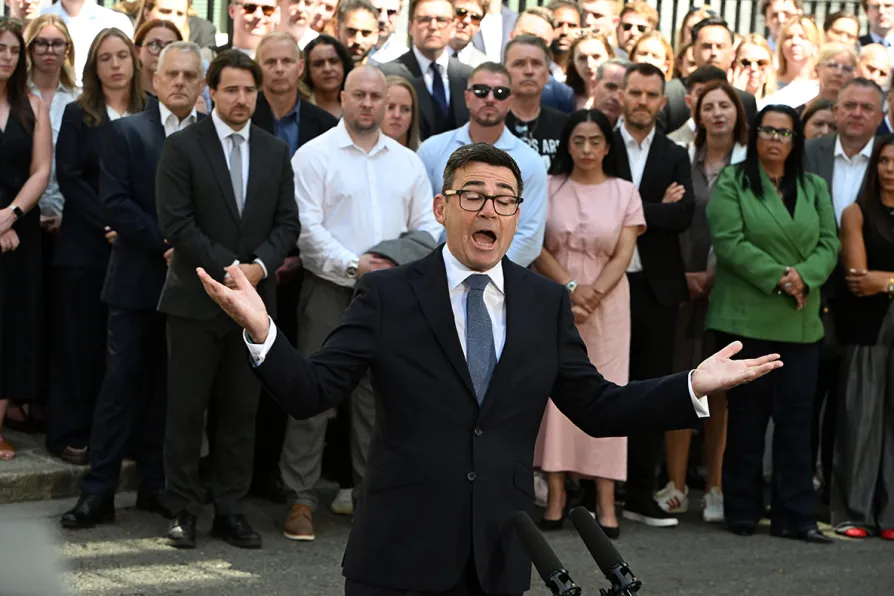
In the wake of Ann Widdecombe’s murder, JOHN GREEN wonders whether the government will really get to grips with the root cause of these attacks on our MPs
The new PM’s opening addresses offered hope, council homes and reform — but little detail on how any of it will be delivered, warns CLAUDIA WEBBE
Despite the screeching from the right-wing media, Burnham’s speech chimed with the public mood - and socialists should take advantage, says Morning Star editor BEN CHACKO
Scotland's Labour leader cannot continue to evade responsibility for the party's decline, argues LAUREN HARPER
Nature as well as society works dialectically, asserts the Marx Memorial Library and Workers’ School


A COMMON response to those protesting is to dismiss it is a waste of time — “the government doesn’t listen” or “things never change,” opine the naysayers. Frustratingly, this argument is sometimes even made by those doing the protesting themselves.
On the 10th anniversary of the huge February 15 2003 anti-Iraq War march, author Tariq Ali, who spoke at the rally in Hyde Park that day, said “It was a huge show of anger, but that’s about it. It left no lasting legacy.”
Leftists and activists working for progressive social change would be wise to steer clear of this kind of negativity and instead remember that actions and protests often have unexpected positive effects on other people and the wider world.
This rule very much applies to protests that seem like a failure at the time.
For example, in the early 1960s, Lisa Peattie, a young US widow, took two of her children to a vigil in front of the White House to protest against nuclear testing.
“The vigil was small, a hundred women at most”, Paul Loeb, a friend of Peattie’s, writes in his bestselling 1999 book The Soul of a Citizen: Living with Conviction in Challenging Times. “Rain poured down. Lisa’s children were restless. Frustrated and soaked, the women joked about how President Kennedy was no doubt sitting inside drinking hot chocolate, warm, comfortable and not even looking at their signs.”
A few years later, Peattie attended another march in Washington DC about nuclear testing, this one significantly larger. One of the speakers that day was the famous paediatrician Benjamin Spock. “Spock described how he’d come to take a stand on the nuclear issue,” Loeb notes. “Because of his stature, his decision was immensely consequential and would pave the way for his equally important opposition to the Vietnam War.”

Similar stories

While millions face poverty and public services are squeezed, France is committing billions to defence spending and weapons production, in a dangerous shift towards permanent preparation for war, says CONOR BOLLINS
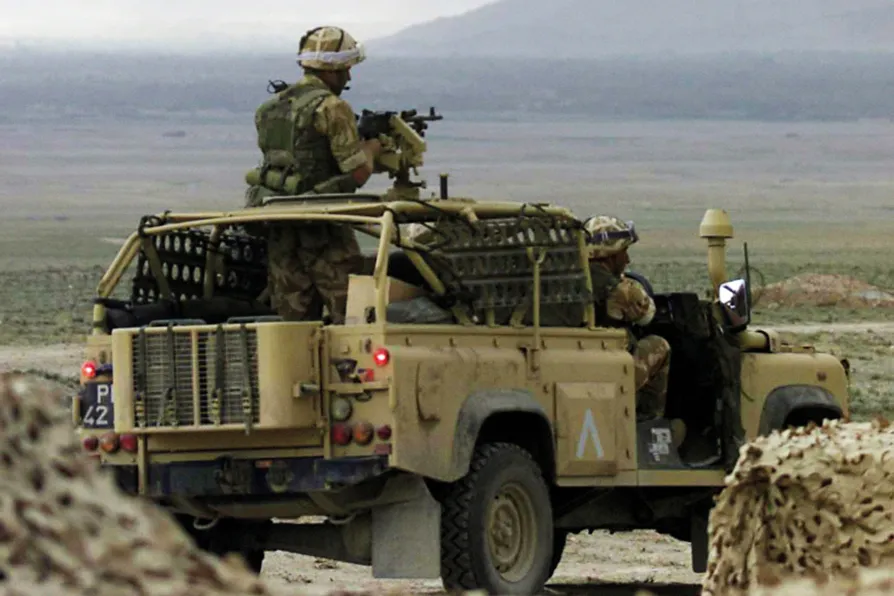
Outrage greeted Donald Trump’s suggestion earlier this year that Britain stayed off the front lines. But evidence suggests our forces were at times pulled from the most dangerous fighting — not by military failure, but by pressure at home, says IAN SINCLAIR

Four decades on, the Wapping dispute stands as both a heroic act of resistance and a decisive moment in the long campaign to break trade union power. Lord JOHN HENDY KC looks back on the events of 1986
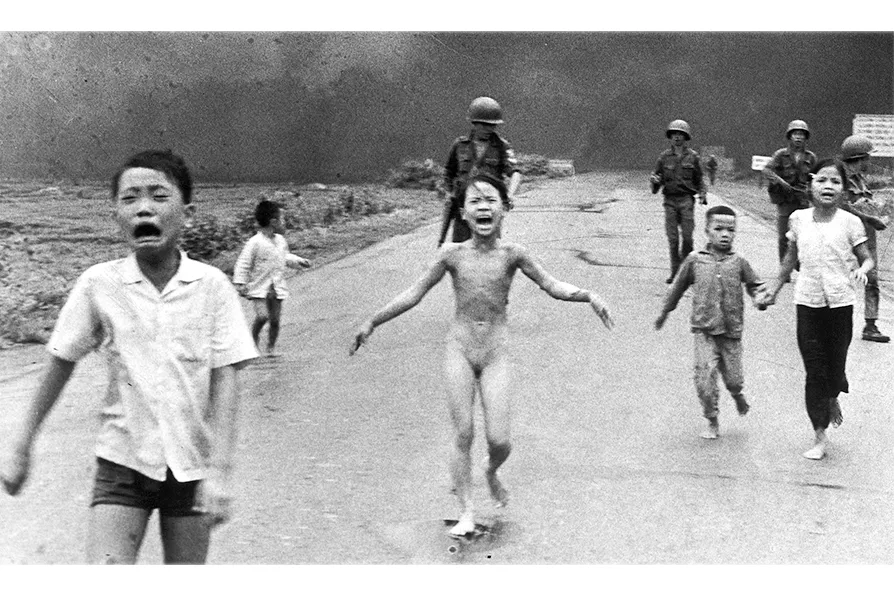
If true, the photo’s history is a damning indictment of the systematic exploitation of non-Western journalists by Western media organisations – a pattern that persists today, posit KATE CANTRELL and ALISON BEDFORD