Fownhope’s Heart of Oak Society traces its roots to the age of friendly societies, when communities provided their own safety net. Its anniversary celebrations reveal a tradition still very much alive, says MARK SEDDON


 Latest editorial
Strike threat as pay negotiations stall
Teachers and their union, the Education Institute of Scotland, rejected a ‘final’ pay offer of 3 per cent, arguing that only a 10 per cent rise will reverse a decade of wage stagnation
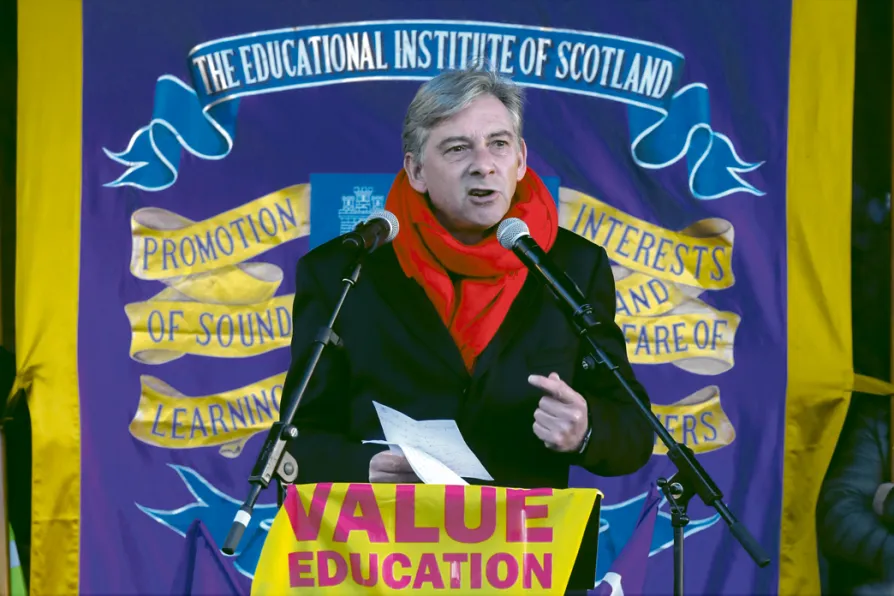 FINE POINT: Scottish Labour leader Richard Leonard at a EIS rally in George Square, Glasgow on October 27

ANGUS REID explains the significance of Cuba’s egalitarian in letter and spirit Family Code and the pertinent lessons it holds for democracies anywhere in the world
Special report by PEOPLE’S WORLD
NICK WRIGHT considers how the isolation of Israel and a new film on the controversial Italian communist leader are creating new reference points for Italy’s left
CARLOS MARTINEZ says Cuba’s achievements in the face of a criminal blockade are startling, but the island’s future if the United States succeeds in crushing it looks bleak
AMNON BROWNFIELD STEIN reports that far-right MPs who mobbed the event organised by Hadash may have helped raise awareness of the brutality of the Israeli right


TEACHERS’ unions were dismayed that councils and the Scottish government failed to bring a new offer to pay negotiations this week.
The Education Institute of Scotland, the biggest education union north of the border, warned that strike ballots would be “inevitable” if a “substantially improved offer” is not made this month.
Last month teachers overwhelmingly rejected a “final” pay offer of 3 per cent. Unions, understandably, argue that a 10 per cent rise is needed to make up for a decade of wage stagnation.

Similar stories

LUKE FLETCHER outlines Plaid Cymru bold plans for wide-ranging policy consultations with trade unions in Wales

Roger McKenzie talks to general secretary of Unison CHRISTINA McANEA about the impact of the cost-of-living crisis on members, the local government funding emergency and the threat of Reform UK


Almost half of universities face deficits, merger mania is taking hold, and massive fee hikes that will lock out working-class students are on the horizon, write RUBEN BRETT, PAUL WHITEHOUSE and DAN GRACE