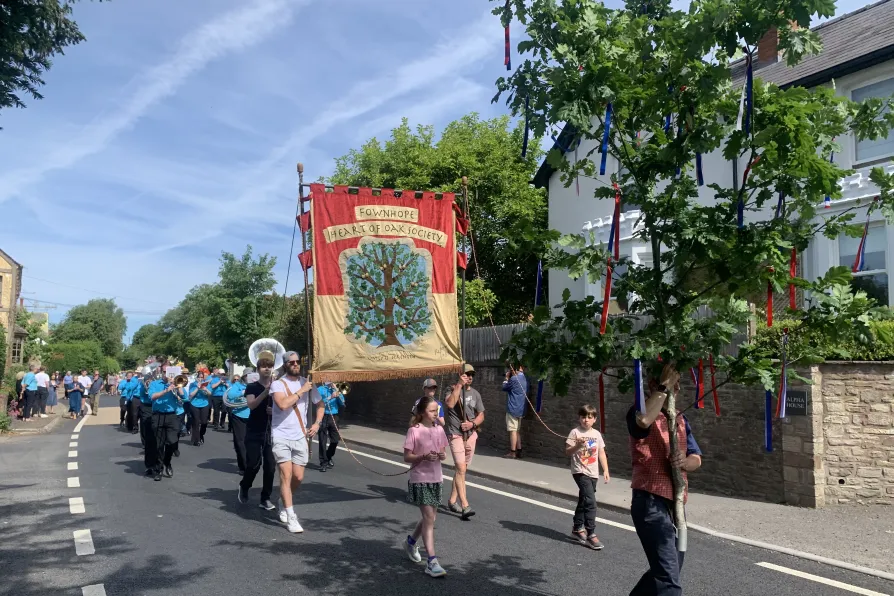
Fownhope’s Heart of Oak Society traces its roots to the age of friendly societies, when communities provided their own safety net. Its anniversary celebrations reveal a tradition still very much alive, says MARK SEDDON


 Latest editorial
Is austerity over?
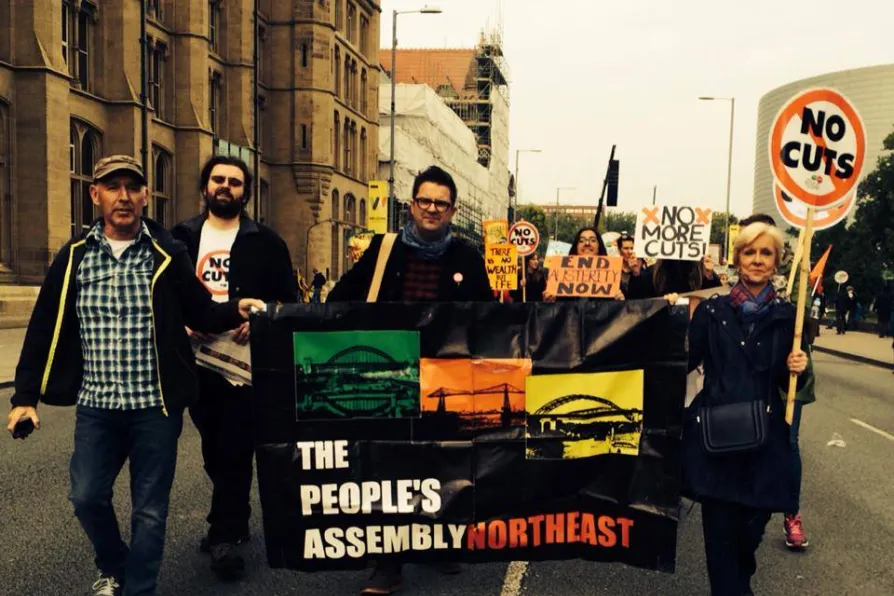
TONY DOWLING of the People’s Assembly North East reports from a region experiencing the longest decline in real wages since the 1870s
ANGUS REID explains the significance of Cuba’s egalitarian in letter and spirit Family Code and the pertinent lessons it holds for democracies anywhere in the world
Special report by PEOPLE’S WORLD
NICK WRIGHT considers how the isolation of Israel and a new film on the controversial Italian communist leader are creating new reference points for Italy’s left
CARLOS MARTINEZ says Cuba’s achievements in the face of a criminal blockade are startling, but the island’s future if the United States succeeds in crushing it looks bleak
AMNON BROWNFIELD STEIN reports that far-right MPs who mobbed the event organised by Hadash may have helped raise awareness of the brutality of the Israeli right


TAKE a walk around Newcastle city centre and the huge increase in rough sleepers and homelessness is palpable. And Newcastle West End foodbank, which opened in March 2013, has grown to be the largest in Britain, feeding more than 40,000 people last year in one of the most economically and socially deprived areas in north-east England.
Given the news agenda, though, you could be forgiven for thinking that every ill in British society is the consequence of the result of the EU referendum. For the last two years the daily lead story in mainstream media has been Brexit — Brexit, Brexit, Brexit ad nauseam.
The truth, however, is that it is the Tories and their austerity agenda that is devastating the social fabric of this country.
Despite Theresa May’s pronouncement, austerity is not over. This is simply another of a long list of Tory lies.
Here in north-east England, like much of the rest of the country, our social infrastructure is at breaking point. From an underfunded and overworked NHS, schools without resources and shedding staff to cut costs, to councils with budgets slashed to the bone and unable to provide even basic services, we are fast approaching a tipping point from which it will be almost impossible to recover.
Even before the financial crisis 10 years ago the North East had experienced considerable economic restructuring following the collapse of the shipbuilding and coal industries. Thatcher’s devastation of manufacturing industry led to changes in the national and global economy which resulting in the rise of service industries in the region. The resulting long-term unemployment severely impacted the North East, with many suffering income and health inequalities which persist to this day.
These problems have simply been exacerbated by eight years of austerity with massive and disproportionate cuts to North East council budgets. Despite the development and renaissance of niche manufacturing activities the decades of low investment has been compounded by the huge cuts to public service budgets resulting in a predominance of low wage, lower value industries and jobs. The median weekly wage in the region is £472.30, compared with the England level of £520.70.

Similar stories

The growing argument that welfare must be sacrificed for ‘security’ is built on nothing but myth, argues MICHAEL BURKE

Liverpool Trades Council has unveiled a ‘People’s Budget’ to fight £56m cuts and council tax rises. DEAN YOUNG reports
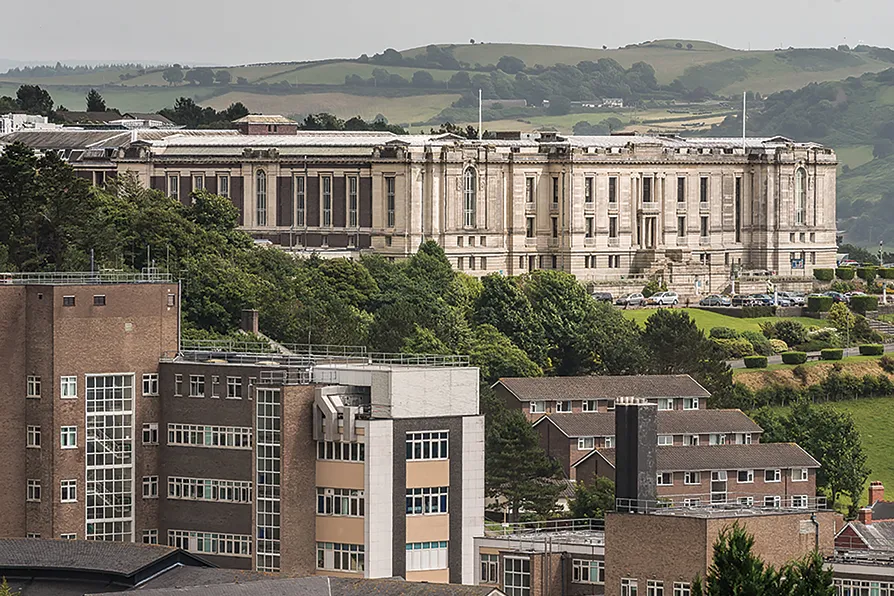
Wales is second from the bottom in terms of cultural services in the EU. HELEDD FYCHAN believes that needs to change if the country is to prosper

Under current policy, welfare cuts are just a small downpayment on future austerity, argues MICHAEL BURKE