Durham Miners’ Association chair STEPHEN GUY speaks to Ben Chacko about the Reform threat, what’s needed from Labour and why the Big Meeting will never lose its politics


 Latest editorial
From Peterloo to Orgreave
The forthcoming 200th anniversary of the Peterloo massacre will allow us to draw parallels with the miners’ strike and understand the way the state can use force to suppress dissent and protest, says GRANVILLE WILLIAMS
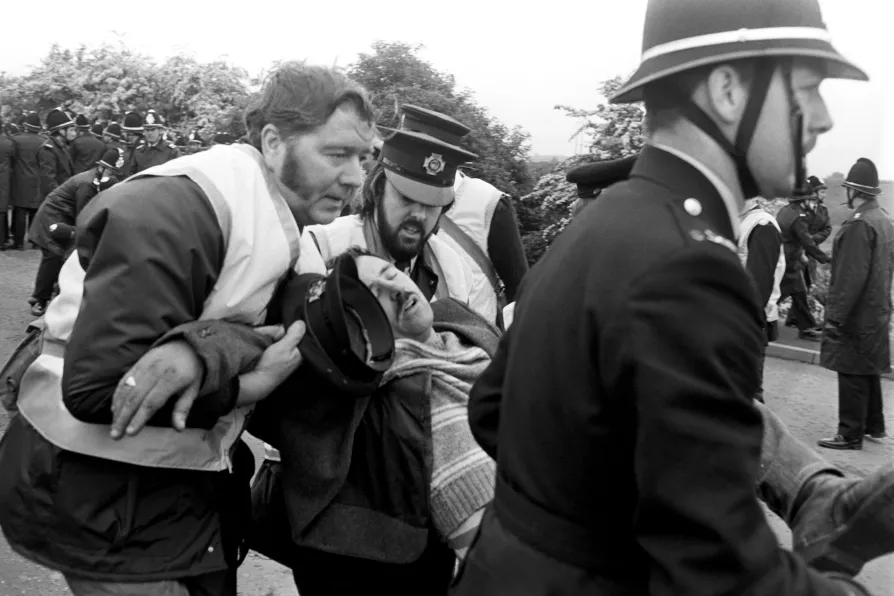 An injured picket is carried way from the line at the Orgreave coking plant, in 1984
![Durham Miners' Gala 2026 [Pic: Neil Terry]](https://morningstaronline.co.uk/sites/default/files/styles/desktop/public/2026-07/SSS_20260711_DURHAM_MINERS_GALA_0-21.jpg.webp?itok=NUVjowji)
Andy Burnham’s message of hope will defeat Reform if Labour delivers the New Deal for Working People in full, says JOANNE THOMAS
General Federation of Trade Unions president and bakers’ union general secretary, SARAH WOOLLEY, guides us through the GFTU’s Summer School happening this week at Quorn Grange Hotel
The government’s latest asylum proposals abandon labour movement values and fuel division by aping Reform UK, writes DIANE ABBOTT MP
Can Andy Burnham’s programme deliver a productive economy – or merely a softer version of capitalism, asks VINCE MILLS
IAN LAVERY MP warns that decades of neoliberal policies have left former industrial communities behind — but a renewed Labour commitment to working people could change the political landscape


THE second anniversary of Amber Rudd’s appalling decision to reject a public inquiry into policing at Orgreave on June 18 1984 is a few days away.
We now know that in the 16 months between Theresa May, as home secretary, inviting a submission in June 2015 from the Orgreave Truth and Justice Campaign (OTJC) for a public inquiry, and Rudd rejecting it on October 31 2016, the Home Office did not consider the police files or trial transcripts — the actual facts of what happened.
Instead, under May, then Rudd, they looked only at the original Thatcher government files from 1984 and 1985.

Similar stories
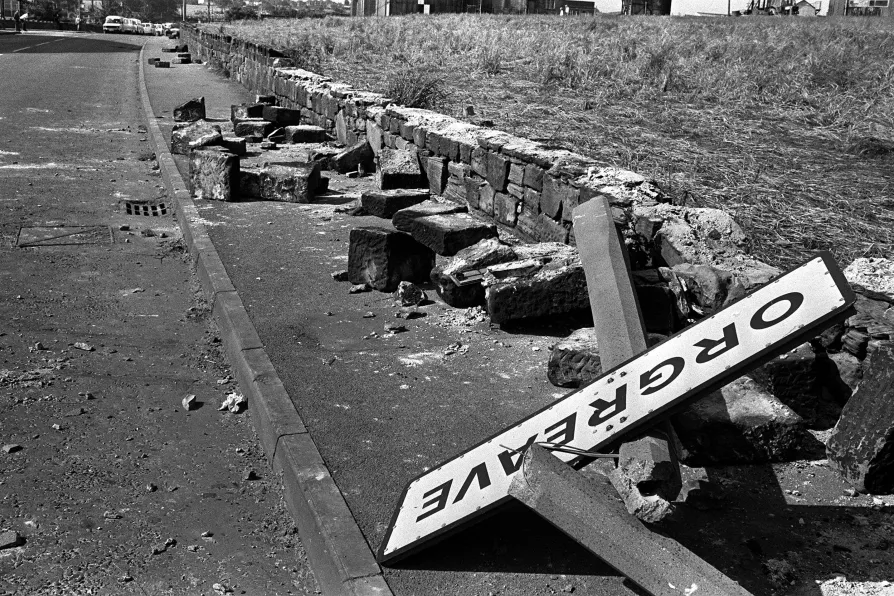
The public inquiry is the result of more than a decade of determined campaigning. Now, those who fought for justice want the full story of government involvement and police conduct to be told, says KATE FLANNERY

The ghosts of Custer’s doomed campaign haunt a modern America still devoted to waging imperialist war, says STEPHEN ARNELL
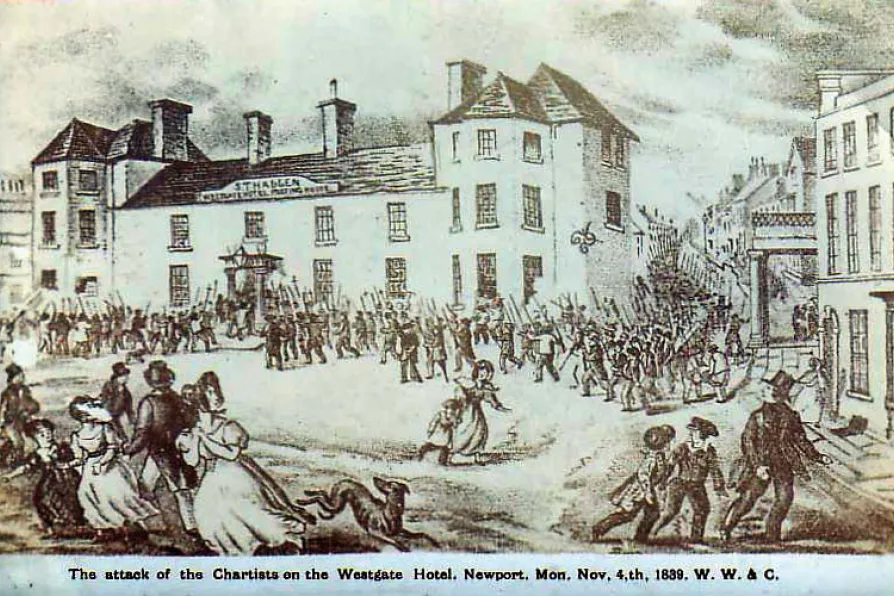
It’s not just the Starmer regime: the workers of Britain have always faced legal affronts on their right to assemble and dissent, and the Labour Party especially has meddled with our freedoms from its earliest days, writes KEITH FLETT
KIM JOHNSON MP places the campaign in the context of the history of the working-class battles of the 1980s, and explains why, just like Orgreave and the Shrewsbury Pickets before it, justice today is so important for the struggles of tomorrow