Fownhope’s Heart of Oak Society traces its roots to the age of friendly societies, when communities provided their own safety net. Its anniversary celebrations reveal a tradition still very much alive, says MARK SEDDON


 Latest editorial
Google woos the Tories to avoid paying a reasonable amount of tax
The tech giant has developed a formula for avoiding the increasing demands it pay a legitimate amount back on its mega-profits, explains SOLOMON HUGHES


ANGUS REID explains the significance of Cuba’s egalitarian in letter and spirit Family Code and the pertinent lessons it holds for democracies anywhere in the world
Special report by PEOPLE’S WORLD
NICK WRIGHT considers how the isolation of Israel and a new film on the controversial Italian communist leader are creating new reference points for Italy’s left
CARLOS MARTINEZ says Cuba’s achievements in the face of a criminal blockade are startling, but the island’s future if the United States succeeds in crushing it looks bleak
AMNON BROWNFIELD STEIN reports that far-right MPs who mobbed the event organised by Hadash may have helped raise awareness of the brutality of the Israeli right


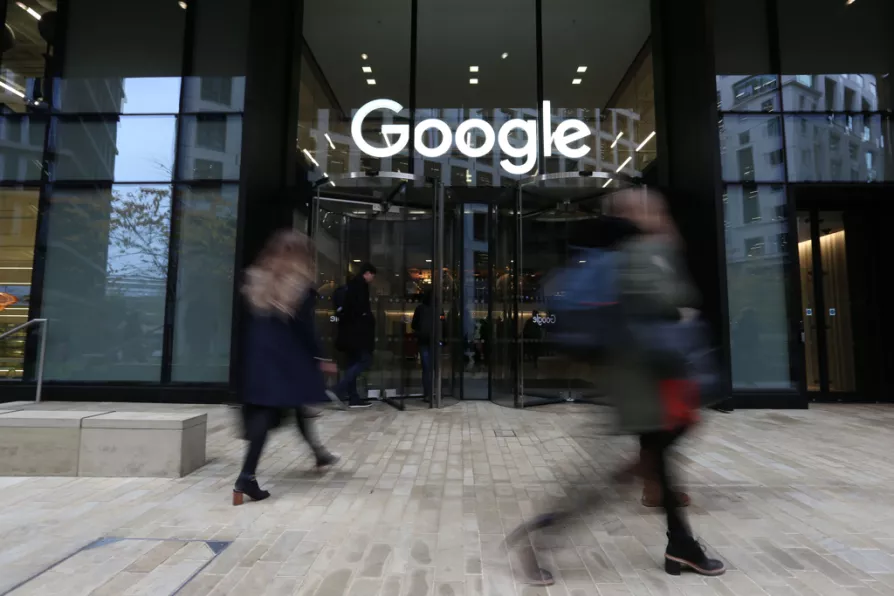
GOOGLE, like other tech firms, is facing real political pressure over content, regulation and taxations.
So it is turning to standard lobbying techniques, which were very visible at the recent Conservative conference.
The three basic techniques are (1) hire political insiders, (2) promise self-regulation to head off real regulation and (3) promise/threaten to give/take jobs and investment.
Campaigners from UK Uncut and campaigning journalists have put tax avoidance by big corporations on the political agenda.
The long years of austerity have added pressure: welfare spending is being cut while rich corporations don’t seem to be paying their fair share. The tech firms are often very involved in shifting money to lower-tax countries, because their product seems more “invisible” and so easier to shift around the accounts.
So Google paid £49.3 million tax this year. It sounds a lot until you know its UK sales are worth around £5.7 billion. Lots of its UK income is shifted to other countries, including lower-tax nations like Ireland.
The pressure on Google over tax has had some results — in 2016 Google agreed to pay £130m in back taxes, although the deal George Osborne struck with the firm was widely considered too small.
On content, Google is accused of giving access to hateful, racist and misogynist material on the internet.
It is also accused of giving access to “fake news” — disinformation from “hyper-partisan” websites or Russian mischief-makers.
Google runs both its search engine and video-sharing website YouTube. It has been accused of hosting or giving access to bad content on both.
MPs have become very serious about regulating “hate speech” and “fake news” on the web, not least because they personally feel they have been victims of both.
I think the general public take the issue of tech tax-avoidance more seriously, but in either case, there is gathering pressure for regulating and taxing the tech giants. Google, for its part, really doesn’t want to spend money policing its bits of the web, or spend money on more taxation.
So it is spending more money on lobbying. Step one is hiring political insiders, so they can help win over their friends still in government.

Similar stories

Martin Taylor, the hedge-fund multimillionaire who has poured millions into pushing Labour rightwards, helped finance Lucy Powell’s supposedly dissenting campaign — suggesting her victory was not the ‘soft-left’ rebellion some have claimed, says SOLOMON HUGHES
All the areas that cause working people to feel insecure have to be addressed, through a return to unashamedly pro-worker politics, if the horror of a Farage government is to be avoided, writes IAN LAVERY MP
It is rather strange that Labour continues to give prestigious roles to inappropriate, controversy-mired businessmen who are also major Tory donors. What could Labour possibly be hoping to get out of it, asks SOLOMON HUGHES

SOLOMON HUGHES asks whether Labour ‘engaging with decision-makers’ with scandalous records of fleecing the public is really in our interests