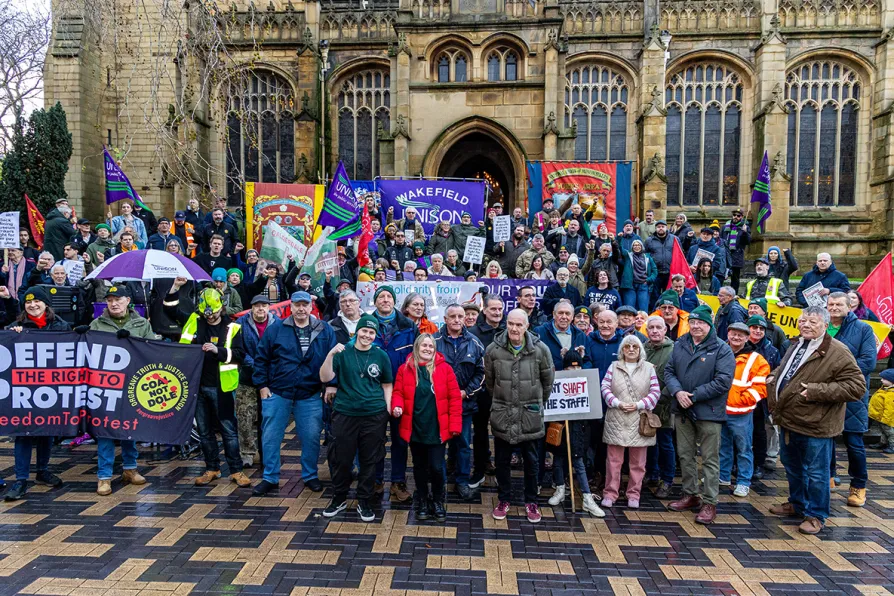
Durham Miners’ Association chair STEPHEN GUY speaks to Ben Chacko about the Reform threat, what’s needed from Labour and why the Big Meeting will never lose its politics


 Latest editorial
From the miners’ strike to the gig economy
How Thatcher’s defeat of the miners paved the way for the low-paid zero-hours economy of today
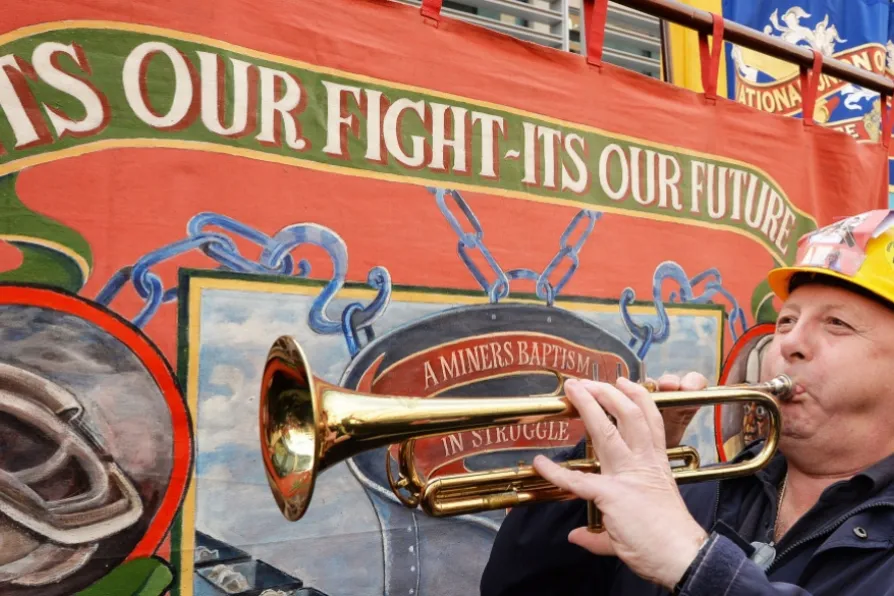
![Durham Miners' Gala 2026 [Pic: Neil Terry]](https://morningstaronline.co.uk/sites/default/files/styles/desktop/public/2026-07/SSS_20260711_DURHAM_MINERS_GALA_0-21.jpg.webp?itok=NUVjowji)
Andy Burnham’s message of hope will defeat Reform if Labour delivers the New Deal for Working People in full, says JOANNE THOMAS
General Federation of Trade Unions president and bakers’ union general secretary, SARAH WOOLLEY, guides us through the GFTU’s Summer School happening this week at Quorn Grange Hotel
The government’s latest asylum proposals abandon labour movement values and fuel division by aping Reform UK, writes DIANE ABBOTT MP
Can Andy Burnham’s programme deliver a productive economy – or merely a softer version of capitalism, asks VINCE MILLS
IAN LAVERY MP warns that decades of neoliberal policies have left former industrial communities behind — but a renewed Labour commitment to working people could change the political landscape


SOME basic facts bear repeating. The gap between rich and poor in Britain was at its narrowest in the 1970s, a decade when trade unionism was at its strongest.
In 2018 there is an obscene gap between those flaunting great wealth and working people battered by austerity and privatisation. We have the prospect of millions of people working in low-wage or zero-hours contract conditions.
The word “gig,” once used by jazz musicians when they were hired for a performance, has now been appropriated to describe an aspect of working life.

Similar stories

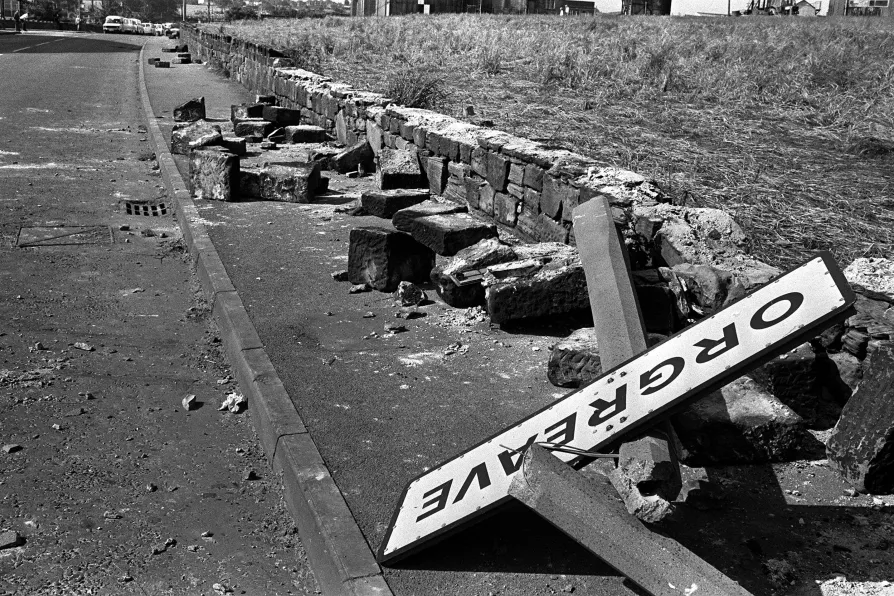
The public inquiry is the result of more than a decade of determined campaigning. Now, those who fought for justice want the full story of government involvement and police conduct to be told, says KATE FLANNERY

A past confrontation permanently shaped the methods the state will use to protect employers against any claims by their employees, writes MATT WRACK, but unions are readying to face the challenge