The Tories introduced the 50% strike ballot threshold to make industrial action harder. MATT WRACK argues that a Labour government has no justification for leaving it on the statute book


 Latest editorial
When Hitler’s Germany took Luxembourg
The socialist stand against the nazis should be celebrated, says ALI RUCKERT
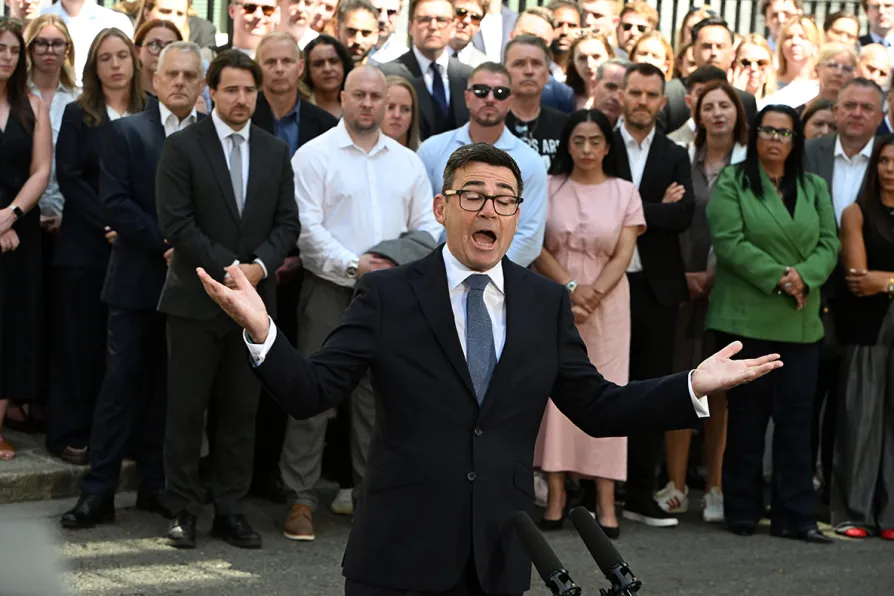
In the wake of Ann Widdecombe’s murder, JOHN GREEN wonders whether the government will really get to grips with the root cause of these attacks on our MPs
The new PM’s opening addresses offered hope, council homes and reform — but little detail on how any of it will be delivered, warns CLAUDIA WEBBE
Despite the screeching from the right-wing media, Burnham’s speech chimed with the public mood - and socialists should take advantage, says Morning Star editor BEN CHACKO
Scotland's Labour leader cannot continue to evade responsibility for the party's decline, argues LAUREN HARPER
Nature as well as society works dialectically, asserts the Marx Memorial Library and Workers’ School


AFTER the invasion of Luxembourg by the fascist German Wehrmacht on May 10 1940, the military administration ordered a ban of all political parties. Contrary to the bourgeois parties, including the Socialist Workers’ Party, the Communist Party of Luxembourg (KPL) took the decision to continue the fight illegally.
After Hitler had been brought into power by parts of German big business and financial capital, the KPL had started to push its anti-fascist propaganda with its weekly journal Volksstimme (People’s Voice). The party supported its German comrades the KPD to transport illegal materials into Germany and helped with the reorganisation of the KPD group in Trier.
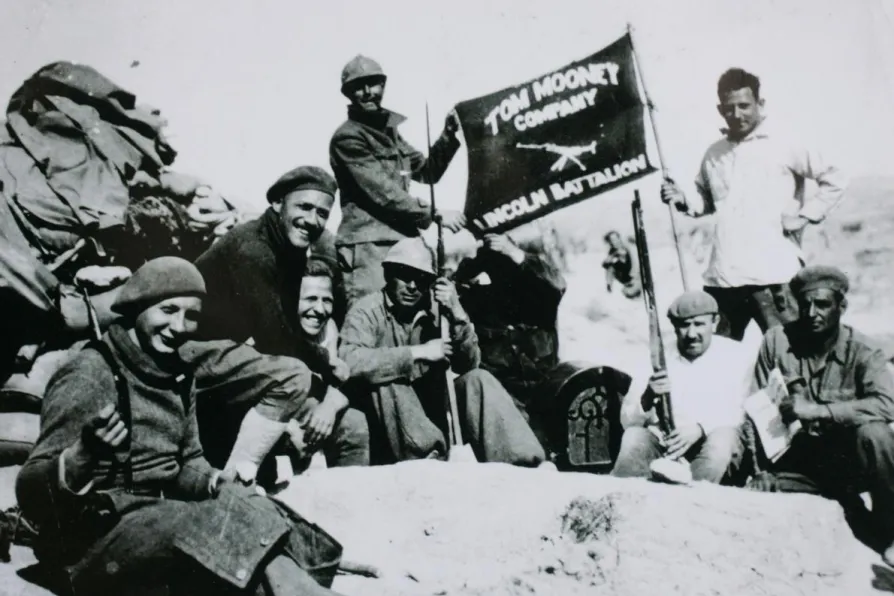
Luxembourg communists used football matches or religious events, where many Germans took part, to distribute leaflets against Hitler. The party was also active in recruiting volunteers in 1936 to go to Spain and to fight in the International Brigades against the fascist troops.

Similar stories
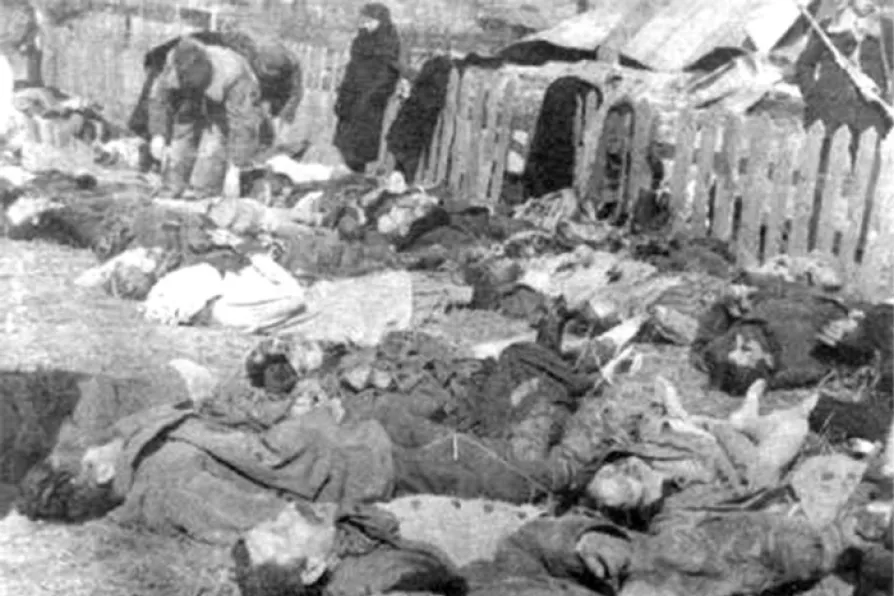
Poland’s anger over Ukraine’s celebration of the Nazi collaborationist UPA reflects more than historical grievance, says KENNY COYLE
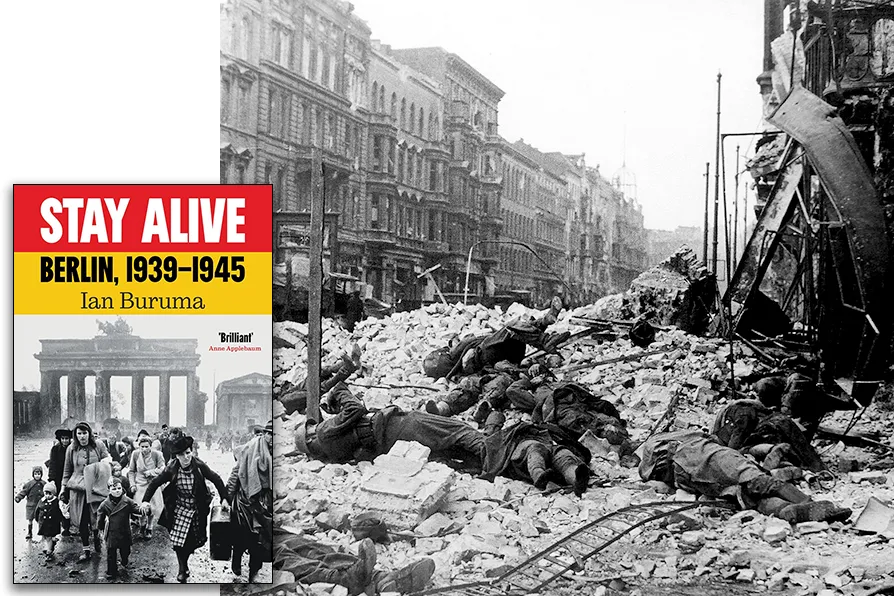
MARJ MAYO sees the contemporary relevance of this account of the consequences of a society’s accommodation with evil
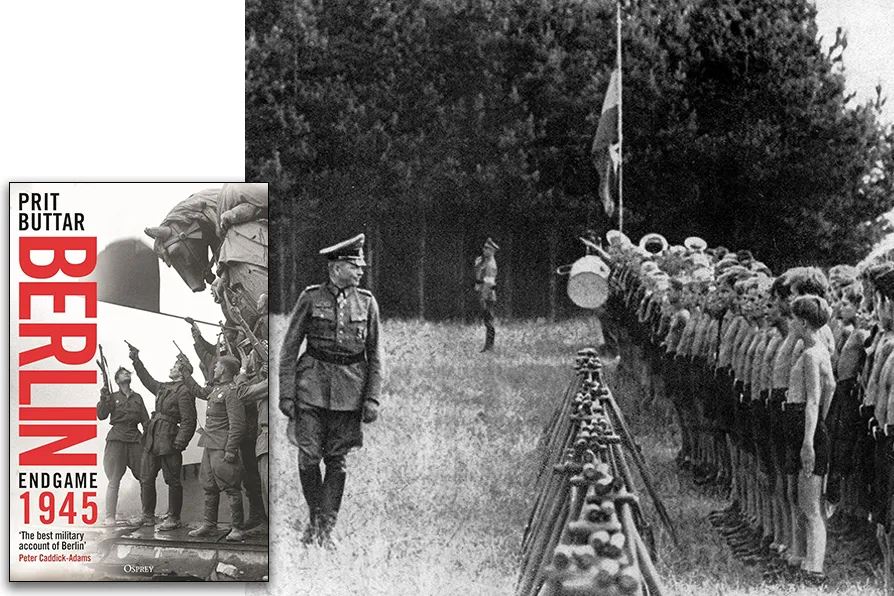
WILL PODMORE admires an account of the liberation of Berlin that overthrows the conventional US army-inspired account
CJ ATKINS commemorates one of the most dramatic moments in working-class history