KEVIN DONNELLY suggests that the task of transforming cultural spaces is far from over and that photography still has a key role to play


 Latest editorial
‘Young people are political. They want to understand how we arrived at this surge of fascism’
RITA DI SANTO talks to Scottish-Irish filmmaker MARK COUSINS about his new series The Story of Documentary Film
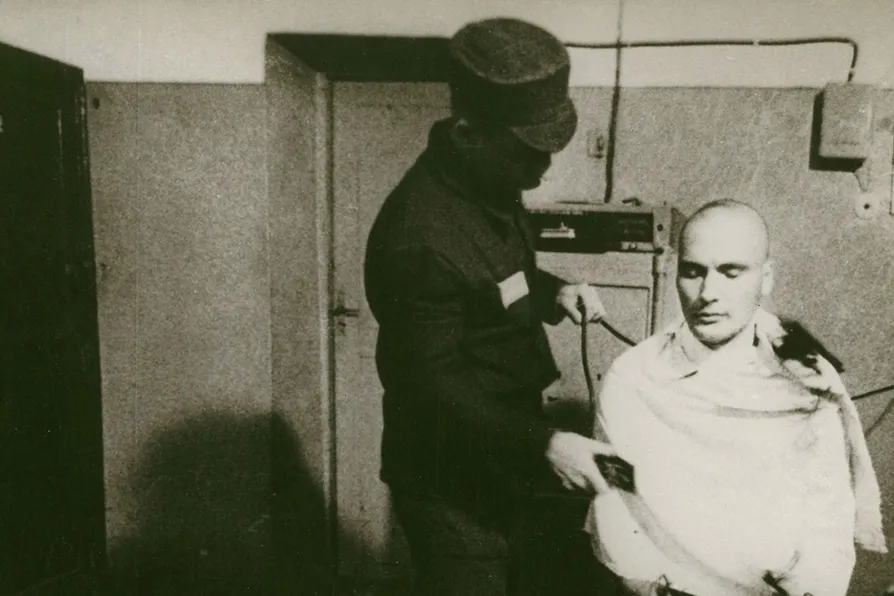 HUMANISING: The Last Judgement (1987), directed by Latvian Herz Frank, is a study of Valerij Dolgov, a man on death row for a double murder, who claimed to love everyone, even his executioners [Pic: Rīgas Kinostudija]

ALAN MORRISON welcomes a new collection from the most imaginative and committed ecopoet of our time
CAL McBRIDE relishes the lyrical truth of an unstable identity in an over-tidy and conventional social realist treatment
New releases from Shearwater, Florry, and Navy Blue
CHRIS SEARLE welcomes a startling vision of contemporary Newport from a veteran photographer of the British working class
ANGUS REID recommends a very unusual documentary: a love story between two disillusioned journalists


AT the Karlovy Vary Film Festival, I met filmmaker and critic Mark Cousins, who presented segments from his ambitious 16-hour-long project The Story of Documentary Film. He showcased chapters eight and nine, focusing on the dynamic 1980s.
Cousins, wearing a T-shirt with the slogan “Documentary Kills Fascism,” took the stage with a map in hand, captivating an enthusiastic audience of young film lovers eager to engage with his work. The energy in the room was palpable, and I was fortunate to secure a ticket as the screening had sold out quickly.
The youthful crowd prompted me to ask Cousins what draws this demographic to his films. “Young people are political,” Cousins explains. “They’re more left-leaning than their parents and want to understand how we arrived at this surge of fascism in various countries. They want to understand where did we come from? How did we get here?”
The Story of Documentary Film helps answer those questions. Cousins traces the evolution of documentary from its roots in the 1890s to the present day, highlighting key historical moments such as the decolonisation of Africa in the 1950s, the civil rights movement of the 1960s, and the feminist movement of the 1970s. He emphasises the evolving language of protest and anti-capitalism throughout these decades.
Cousins’s map of cinema reveals the significance of the 1980s, a period he personally experienced growing up under Margaret Thatcher in Britain, which mirrored Ronald Reagan’s leadership in the US. “It was a key moment not only because of Thatcher and Reagan but also due to the neoliberal shift in capitalism and the end of the Soviet empire,” he remarks. The choice to premiere at the Karlovy Vary Film Festival held special meaning, given the festival’s historical ties to the Soviet sphere.
The documentary opens in Berlin, using real-time footage to visually anchor each chapter in a specific location. For example: for the 1950s, he filmed in Egypt, to highlight decolonisation; for the 1960s, he focused on California’s Berkeley, a hub for student activism and civil rights. The 1980s were represented by Berlin, symbolising the collapse of the Soviet sphere.
For Cousins’s work, the connection between past and present is essential, especially regarding humanism and individual experiences across generations. “Showing human beings, their faces, their living conditions, connects us all,” he notes. While documentary filmmaking has a mixed legacy, it has played a crucial role in raising awareness and inspiring activism.
Our conversation also touches on the portrayal of women in documentaries, particularly during the 1970s. Cousins acknowledges the promises and disappointments of the second wave of feminism. “The films of the ’70s and ’80s were optimistic about social change, but capitalism always finds ways to create new prisons for people and keep the poor impoverished,” he reflects, recalling his collaboration with Jane Fonda, who emphasised that poverty remains a core issue.
Cousins’s commitment to a global perspective is evident in his work. He strives to ensure that his films are not Eurocentric, often choosing footage from outside Europe and the Atlantic region. His dedication to including global narratives and highlighting documentary traditions from countries such as India, Japan, and Brazil is admirable.
When discussing his creative process, he explains that he never writes the script first. “I need to look at the images and then write what I see,” he says. This method allows him to create a more intimate and present-tense experience for the audience. He believes in the importance of a gentle and personal narrator’s voice, which enhances emotional connection with viewers.
Cousins concludes by reflecting on the vital role of documentaries in addressing social issues. “Documentaries have become essential in revealing the truth about human beings and social problems,” he asserts. “In a world where right-wing politics often distort reality, documentaries serve as a crucial tool for understanding and empathy.”
As our conversation drew to a close, Cousins is enthusiastic about the impact of international distribution of his work, which will reach audiences in countries such as the US, Canada, Brazil, and various European nations. “I’m optimistic about its reception,” he says, looking forward to sharing his passion for documentary filmmaking with the world.

Similar stories
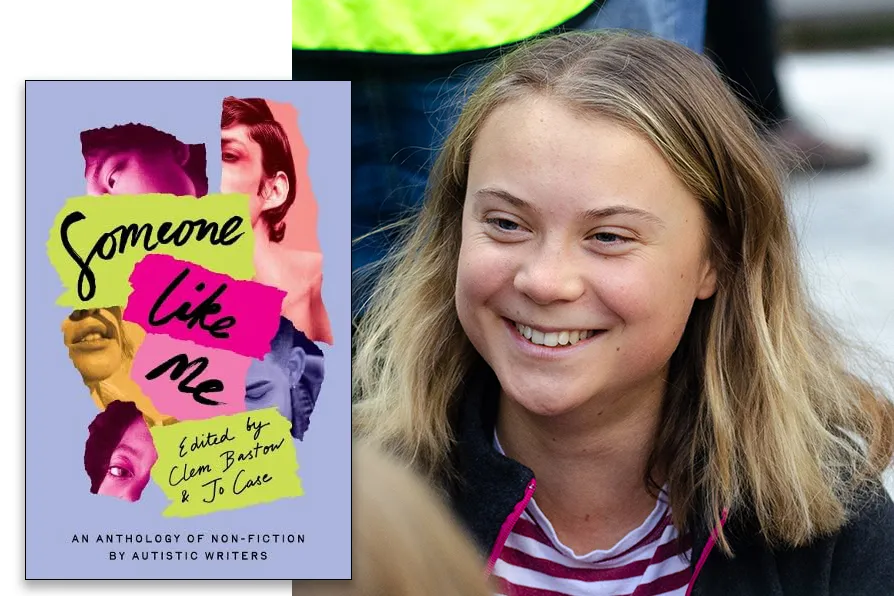
JOSEPHINE BARBARO welcomes a diverse anthology of experiences by autistic women that amounts to a resounding chorus, demanding to be heard
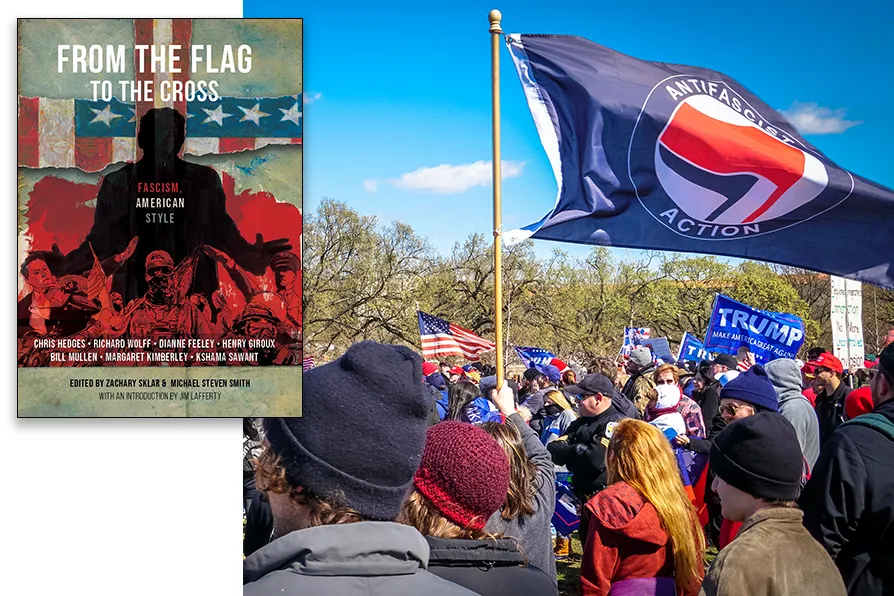
PAUL BUHLE recommends an eminently useful book that examines the political opportunities for popular anti-fascist intervention

PAUL BUHLE agrees that a grassroots movements for change in needed in the US, independent of electoral politics
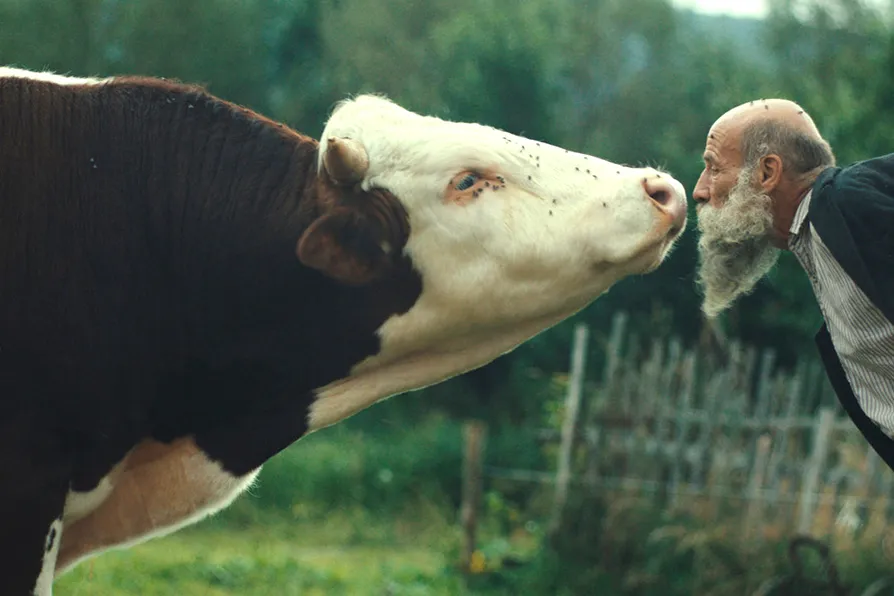
RITA DI SANTO gives us a first look at some extraordinary new films that examine outsiders, migrants, belonging and social abuse