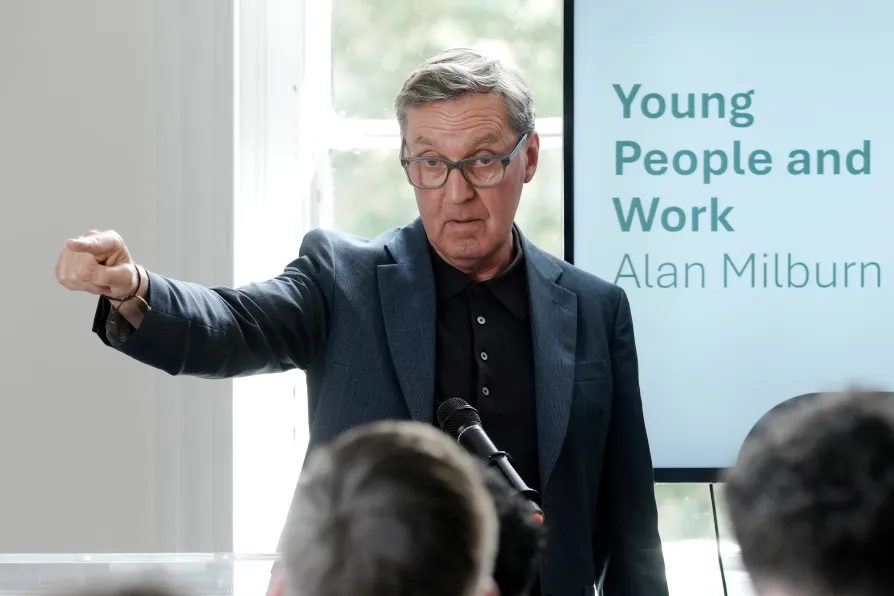
The Milburn review presents itself as a plan to help young people into work, but Dr DYLAN MURPHY argues it is laying the groundwork for a harsher benefits regime


 Latest editorial
How the EU Operates Part 5: The European Court of Justice
JOHN BOYD examines the purpose and powers of the EU’s highest court
Campaigners from across the continent will gather in Brussels on June 14 to oppose Europe’s accelerating militarisation and cuts to public services, write MAGGIE SIMPSON and BOB ORAM of No Cold War Britain
National co-ordinator for General Strike 100, HENRY FOWLER, continues his nationwide tour of partner organisations by visiting the Modern Records Centre at Warwick University
GEOFF BOTTOMS recalls meeting Fidel Castro in the ’90s after joining a Pastors for Peace caravan to Cuba, and reflects on how international support is still vital to help the island withstand economic warfare
The Ivors Academy’s hike in entry fees could turn this respected peer-assessed event into an exclusive preserve for those wealthy enough to compete, warns BEN LUNN
Peter Murrell’s weakness for the allure of prestige goods is symptomatic of modern consumer culture, says MATT KERR


THE European Court of Justice (ECJ) is a key institution of the European Union.
The main function of this Supreme Court is to consolidate the EU in line with the Lisbon Treaty.
It has no democratic mandate. It can rule on EU directives, regulations rules, policies and the Single European Market to ensure there is “free movement of capital, goods, services and labour.” This affects everybody within the EU.

Similar stories
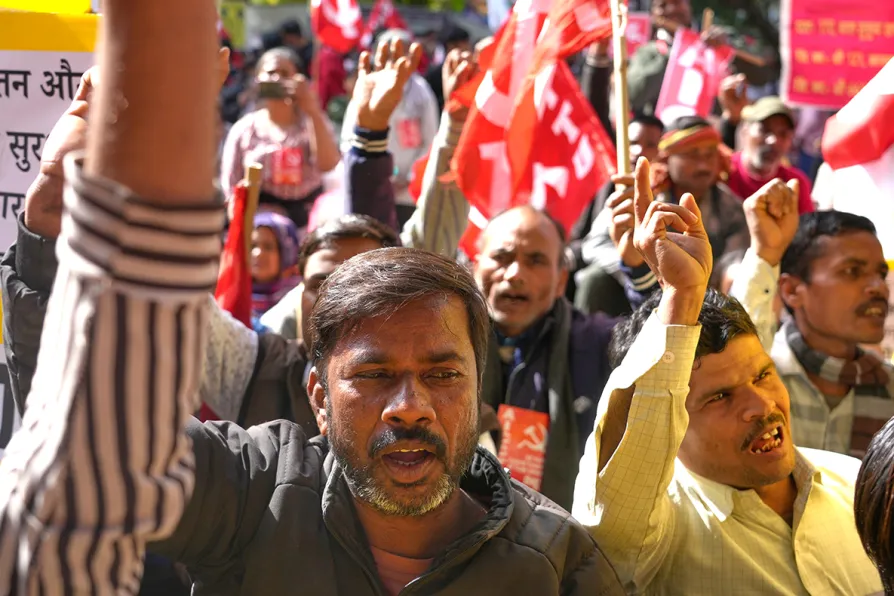
The biggest strike in global history is a template for our future. The silence tells you all you need to know, writes CLAUDIA WEBBE

Four decades on, the Wapping dispute stands as both a heroic act of resistance and a decisive moment in the long campaign to break trade union power. Lord JOHN HENDY KC looks back on the events of 1986
ANSELM ELDERGILL examines the difficulties surrounding freedom of expression
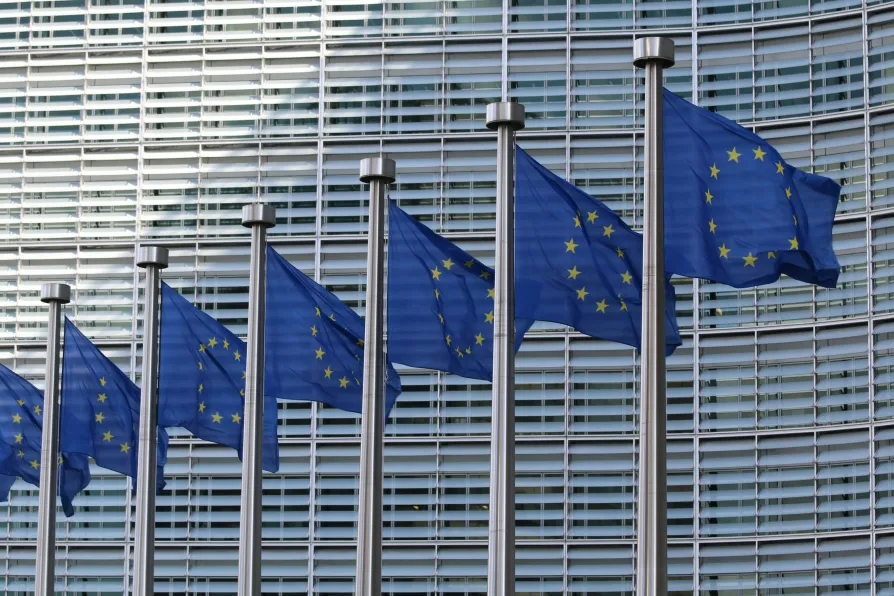
Starmer sabotaged Labour with his second referendum campaign, mobilising a liberal backlash that sincerely felt progressive ideals were at stake — but the EU was then and is now an entity Britain should have nothing to do with, explains NICK WRIGHT