The Milburn review presents itself as a plan to help young people into work, but Dr DYLAN MURPHY argues it is laying the groundwork for a harsher benefits regime


 Latest editorial
EU law does little to help
John Hendy QC explains the anti-worker values behind border policy

Campaigners from across the continent will gather in Brussels on June 14 to oppose Europe’s accelerating militarisation and cuts to public services, write MAGGIE SIMPSON and BOB ORAM of No Cold War Britain
National co-ordinator for General Strike 100, HENRY FOWLER, continues his nationwide tour of partner organisations by visiting the Modern Records Centre at Warwick University
GEOFF BOTTOMS recalls meeting Fidel Castro in the ’90s after joining a Pastors for Peace caravan to Cuba, and reflects on how international support is still vital to help the island withstand economic warfare
The Ivors Academy’s hike in entry fees could turn this respected peer-assessed event into an exclusive preserve for those wealthy enough to compete, warns BEN LUNN
Peter Murrell’s weakness for the allure of prestige goods is symptomatic of modern consumer culture, says MATT KERR


THE EU is based on four economic freedoms for business. They are the freedom of movement of capital, movement of labour, of establishment, and of services. These four freedoms are enshrined in the treaty establishing the EU.
Freedom of movement of capital needs no explanation. Freedom of movement of labour is about ensuring the supply of labour across EU borders. This is to free up the supply of skilled labour but also, and most significantly, it is about facilitating the supply of cheap labour.
Moving cheap labour to countries where labour costs are high is called “social dumping” and was one of the things the EU social dimension was meant to address. It has not.

Similar stories
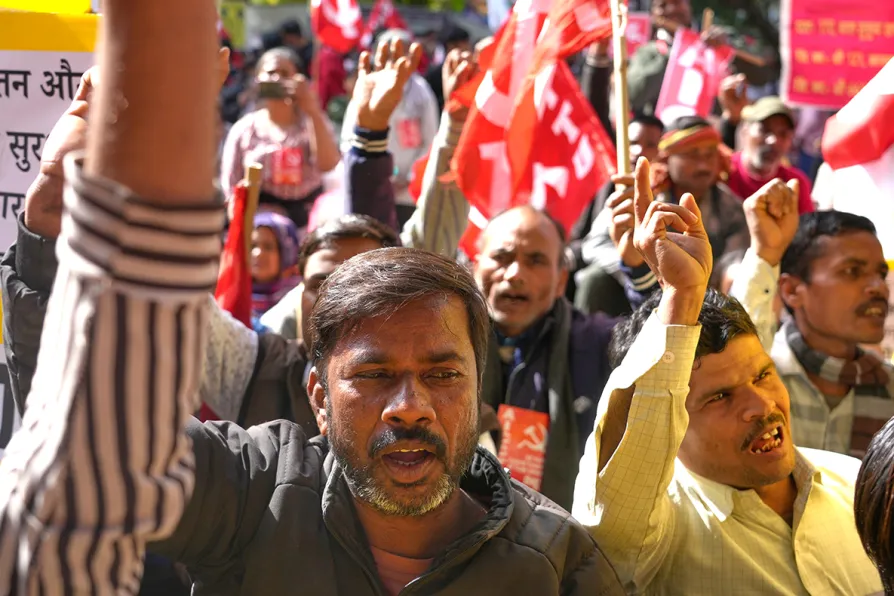
The biggest strike in global history is a template for our future. The silence tells you all you need to know, writes CLAUDIA WEBBE

Four decades on, the Wapping dispute stands as both a heroic act of resistance and a decisive moment in the long campaign to break trade union power. Lord JOHN HENDY KC looks back on the events of 1986
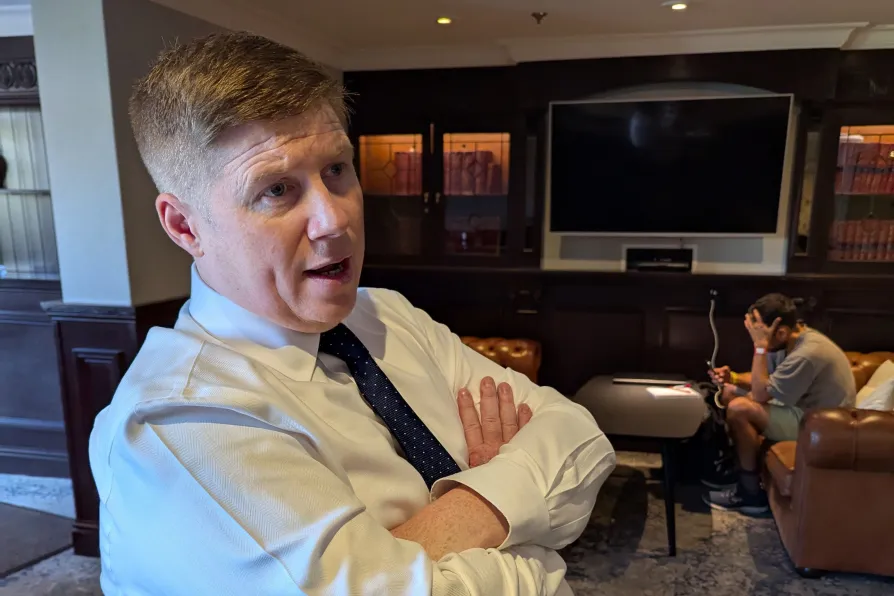
Ben Chacko talks to RMT leader EDDIE DEMPSEY about how the key to fixing broken Britain lies in collective sectoral bargaining, restoring unions’ ability to take solidarity strike action and bringing about the much-vaunted ‘wave of insourcing’
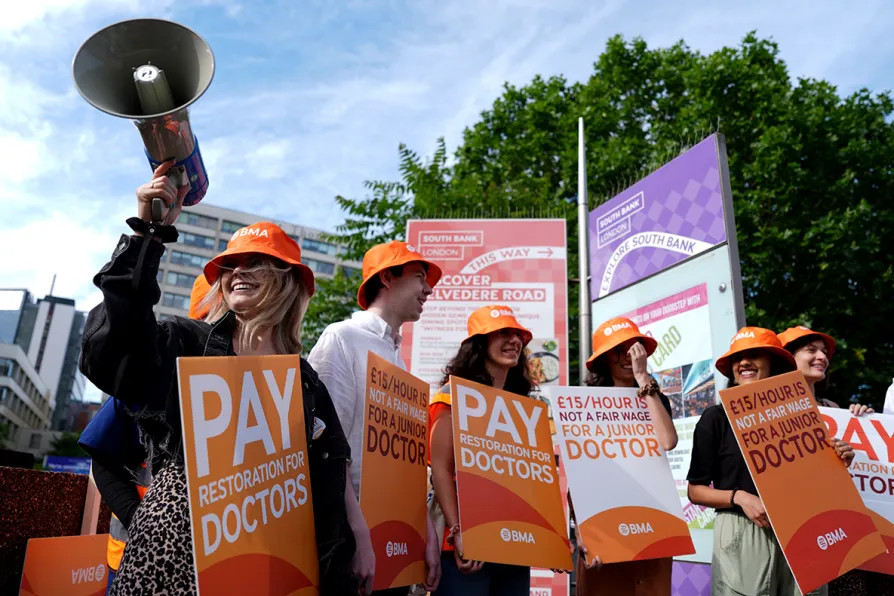
It is only trade union power at work that will materially improve the lot of working people as a class but without sector-wide collective bargaining and a right to take sympathetic strike action, we are hamstrung in the fight to tilt back the balance of power, argues ADRIAN WEIR