The Tories introduced the 50% strike ballot threshold to make industrial action harder. MATT WRACK argues that a Labour government has no justification for leaving it on the statute book


 Latest editorial
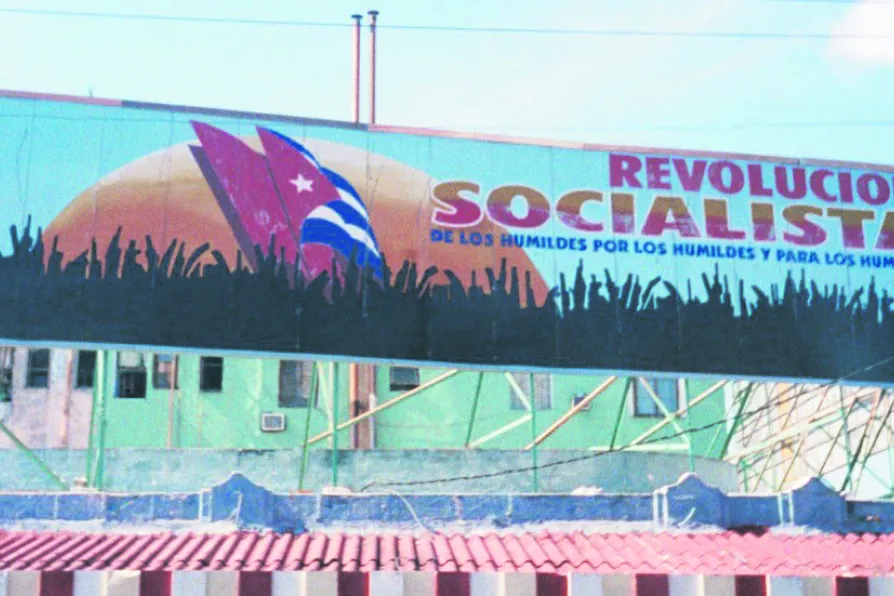
150 years of revolution in Cuba
Today Cuba celebrates a century and a half since the start of its revolutionary process against slavery and colonialism, writes OLLIE HOPKINS
In the wake of Ann Widdecombe’s murder, JOHN GREEN wonders whether the government will really get to grips with the root cause of these attacks on our MPs
The new PM’s opening addresses offered hope, council homes and reform — but little detail on how any of it will be delivered, warns CLAUDIA WEBBE
Despite the screeching from the right-wing media, Burnham’s speech chimed with the public mood - and socialists should take advantage, says Morning Star editor BEN CHACKO
Scotland's Labour leader cannot continue to evade responsibility for the party's decline, argues LAUREN HARPER
Nature as well as society works dialectically, asserts the Marx Memorial Library and Workers’ School


On October 10 1868, Carlos Manuel de Cespedes, an educated, wealthy lawyer, sugar mill and slave owner, called for an uprising against Spanish colonial rule, the “Grito de Yara” (Cry of Yara), otherwise known as the “declaration of rebellion.”
The date continues to define Cuba’s national identity and is seen as the start of the Cuban people’s struggle for independence: Fidel Castro called the date the “beginning of the revolution;” October 10 — Independence Day — is an annual public holiday; Cespedes is renowned as “Father of the Homeland” and Cuba’s national anthem, La Bayamesa, was also written in the same period, a century and a half ago.
Cespedes released the slaves owned by his family following the Grito de Yara and called for the abolition of slavery, reportedly urging the crowd of 500 people at his La Demajagua sugar mill to rise up against Spanish rulers, who had colonised the island since the beginning of the 16th century.
“Citizens, that sun you see rising above Pico Turquino comes to illuminate the first day of Cuba’s freedom and independence,” Cespedes is said to have told the crowd.

Similar stories
Cuba continues to embody a vision of internationalism that imperialism has never forgiven, argues ZOLTAN ZIGEDY
As the US intensifies its economic and political pressure it is now vitally important to demand the British government intervene to end US aggression, writes GEOFF BOTTOMS
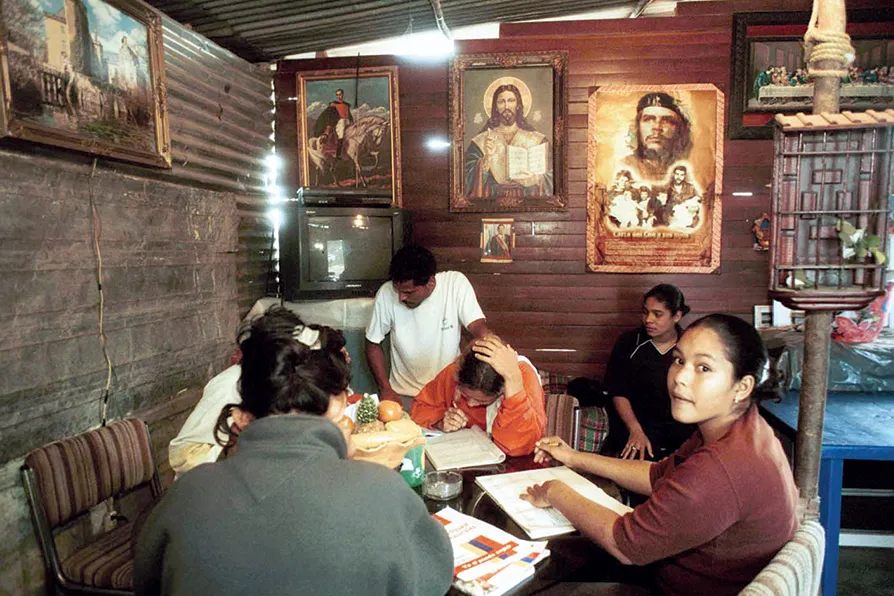
ISAAC SANEY points to the global stakes involved in defending the Cuban revolution against imperialism and calls for resistance
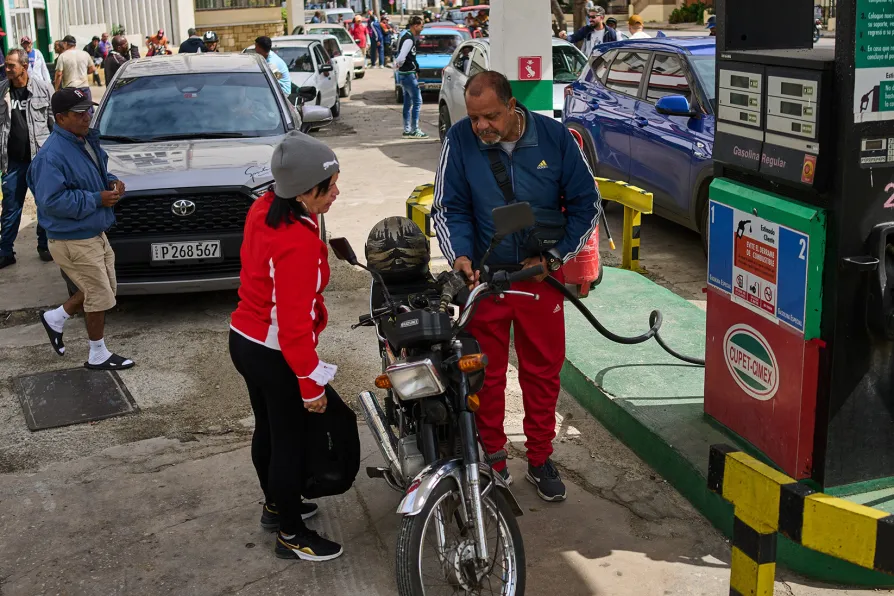
On January 29, US President Donald Trump declared Cuba an ‘unusual and extraordinary threat’ to US national security and tightened the blockade against the island nation MANOLO DE LOS SANTOS reports