

 Latest editorial
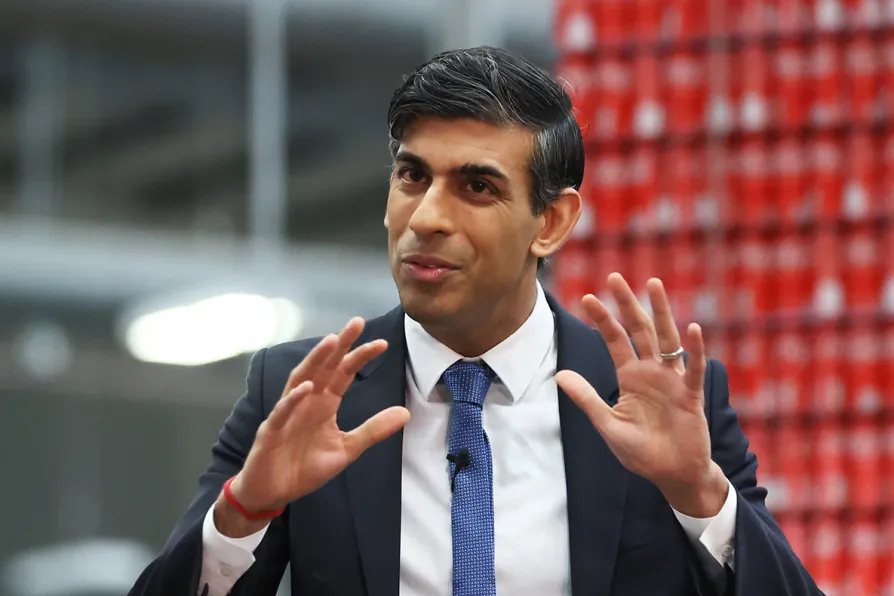 Prime Minister Rishi Sunak holds a Q&A session with local business leaders during a visit to Coca-Cola HBC in Lisburn, Co Antrim in Northern Ireland



IT TAKES a long time for the penny to drop with Ireland’s Democratic Unionist Party, but Rishi Sunak has helped it on its way to understand just how little its voice counts in Britain’s ruling circles.
The deal stitched up with the EU anticipates the future shape of its relationship with Britain that our ruling class — a category that includes in its retinue the leadership of the Labour Party — desires.
Sunak describes the new arrangement as “the world’s most exciting economic zone” precisely because of the access it affords to both the UK and the EU’s single market. He says the democracy-lite British statelet is “an incredibly attractive place to invest for business.”
This reflects the mood among some of Northern Ireland’s business and agricultural sectors for whom Unionist myths no longer count against the prospects of enhanced profit.
Even the most unreflective of the DUP’s followers know that a sausage processed in the Irish republic from animals grazing on Ireland’s verdant fields is no less tasty than one made in England, Wales or Scotland. Now they are beginning to understand they are on their own — and no veiled threats of violence by paramilitary gangsters or overblown rhetoric by the Old Testament tendency is going to change the way things are.
And the way things are is that there is still a border down the Irish sea but now it has a red channel and a green one, while commercial dealings in the north of Ireland will be subject still to the European Court of Justice.
The argument for much of British capital has always been how much the EU’s regulatory framework — essentially a mechanism to force competitors to meet the same social costs of doing business as German manufacturers face — is acceptable.
There is something of a recognition among even Conservative politicians that a British economy based on low pay, services and predatory banking has little long-term viability and that investment in high-level skills, research, technology and advanced engineering of all kinds is needed if Britain is to stay in the premier league of economies.
While Britain’s membership of the Common Market, the EEC and then the European Union was always shot through with contradictions, the facility it afforded the UK/US Atlanticist duopoly to shape events on the continent outweighed the problems it presented to sections of British capital.
A generation or so ago, the received wisdom among most of the labour movement — and reflected in the official positions of the Labour Party and the TUC — was opposition to Britain’s membership.
Once the stuffing was knocked out of the 1970s working-class movement, the mirage of a “social Europe” deceived enough trade unionists to abandon their class instincts and enable Labour’s right wing (and the nascent SDP breakaway) to change the policy.
If we conceive of Britain’s membership as an extension of US power, then General de Gaulle’s objections make sense. Today we can understand the still palpable sense among Europeans who fear that the next US war will be fought over their continent.
The medium-term interests of British monopoly capitalism are to have as harmonious a commercial and trading relationship with the EU as is compatible with the fewest constraints on its global and domestic operations. It has taken our ruling class half a decade in fostering instability in the Conservative Party to fashion the “Brexit lite” they came to desire once the British people, inconveniently for them, decided otherwise.
These questions will not be resolved until Ireland is one and the fate of its people is in their hands alone — while the recovery of Irish sovereignty is the precondition for ours.

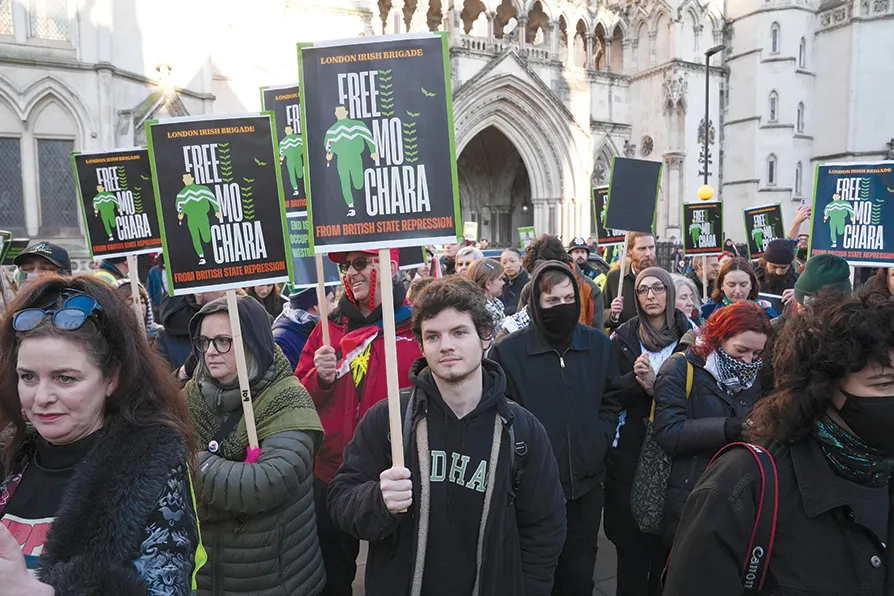
AARON SMITH discusses why the Protestant diaspora are still part of Yeats’s ‘Indomitable Irishry’, and an integral part of any future united Ireland.
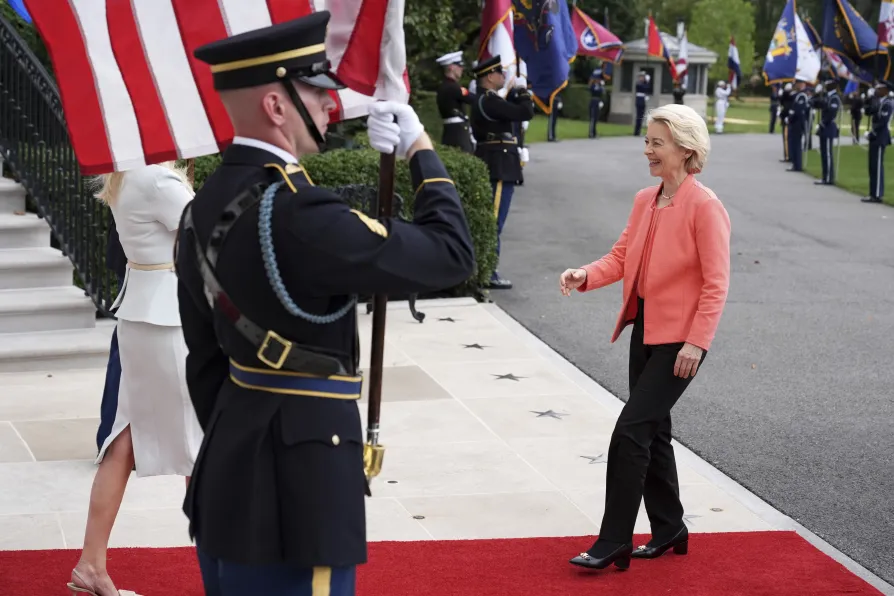
US tariffs have had Von der Leyen bowing in submission, while comments from the former European Central Bank leader call for more European political integration and less individual state sovereignty. All this adds up to more pain and austerity ahead, argues NICK WRIGHT
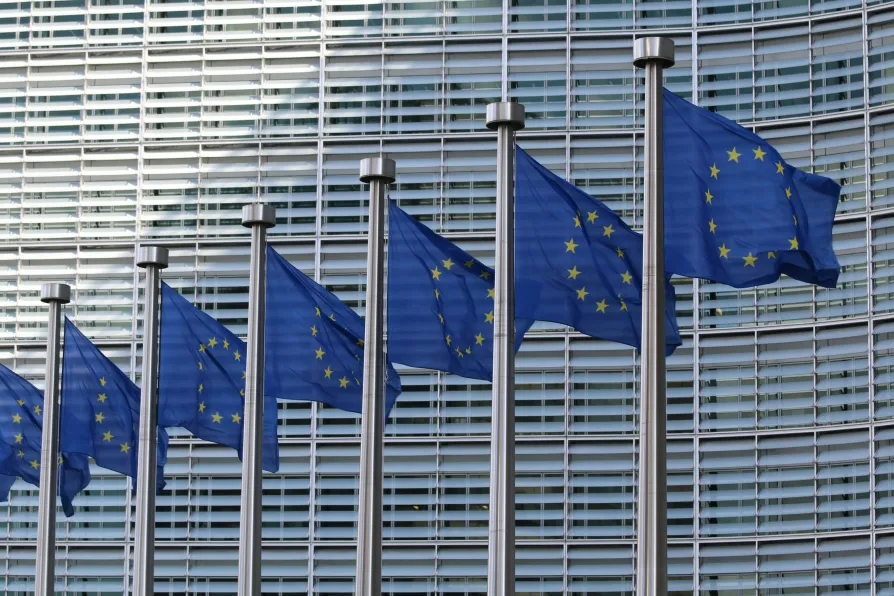
Starmer sabotaged Labour with his second referendum campaign, mobilising a liberal backlash that sincerely felt progressive ideals were at stake — but the EU was then and is now an entity Britain should have nothing to do with, explains NICK WRIGHT
Deep disillusionment with the Westminster cross-party consensus means rupture with the status quo is on the cards – bringing not only opportunities but also dangers, says NICK WRIGHT