The bard celebrates two other fine practitioners of the art, and laments a lost brewer


 Latest editorial
Russian Roulette: The Life and Times of Graham Greene
Authoritative biography reveals how the writer transcended his privileged background and inner demons to become a compassionate chronicler of human affairs
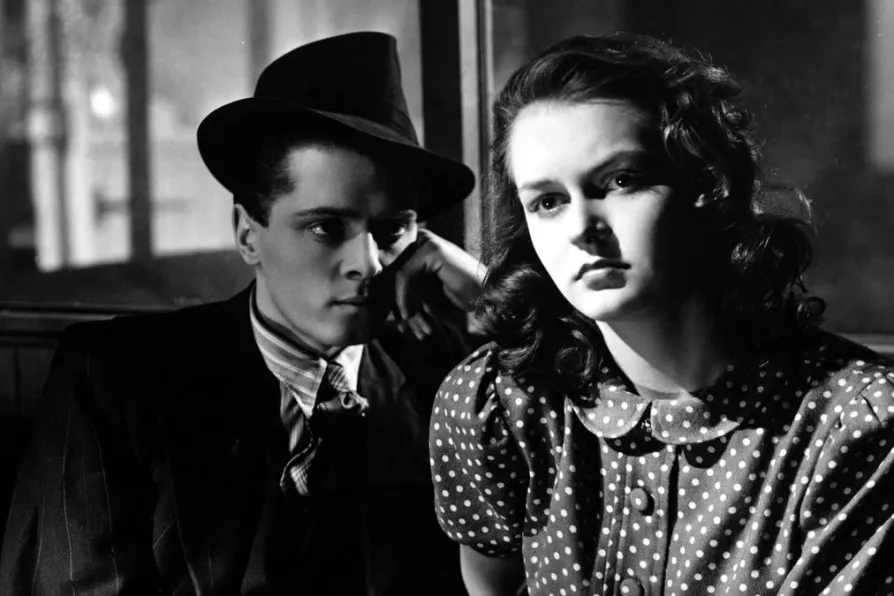 GREENE ON SCREEN: The writer created the screenplay with Terence Rattigan for the acclaimed 1948 film of Brighton Rock

This right-wing conspiracy theory is used to justify the coercive measures against gender, race and labour rights that best serve capitalism, attests GAVIN O’TOOLE
KENNY MONROSE recommends a new exhibition that highlights the significance of Black British music
ANGUS REID is bowled over by an exuberant film about the making of Keith Jarrett’s legendary concert
MARIA DUARTE, FIONA O’CONNOR and ANDY HEDGECOCK review Savage House, Enzo, Madfabulous, and Erupcja
CHRIS SEARLE recommends a work of love and deep admiration for a great musician


IT’S never been easy to become a writer but Graham Greene had an enviably smooth start. The son of the headmaster of Berkhamsted School — and descendant of St Kitts and Monserrat slaveowners — he automatically went up to Oxford in 1922.
There he networked aggressively, meeting established authors including Robert Graves, John Buchan and Edith Sitwell as an undergraduate. He was soon reviewing for lofty publications, joined The Times as a subeditor in 1926 and published his first novel, The Man Within, in 1929. He worked hard but he had impeccable connections. By 1935 he was having dinner with TS Eliot.
This new biography by Canadian scholar Richard Greene — no relation — follows others in not dwelling on the class and other privileges that enabled the author to embark on his career but the man it portrays and the story it tells suggest many of Greene’s key traits evolved in response to his origins.

Similar stories
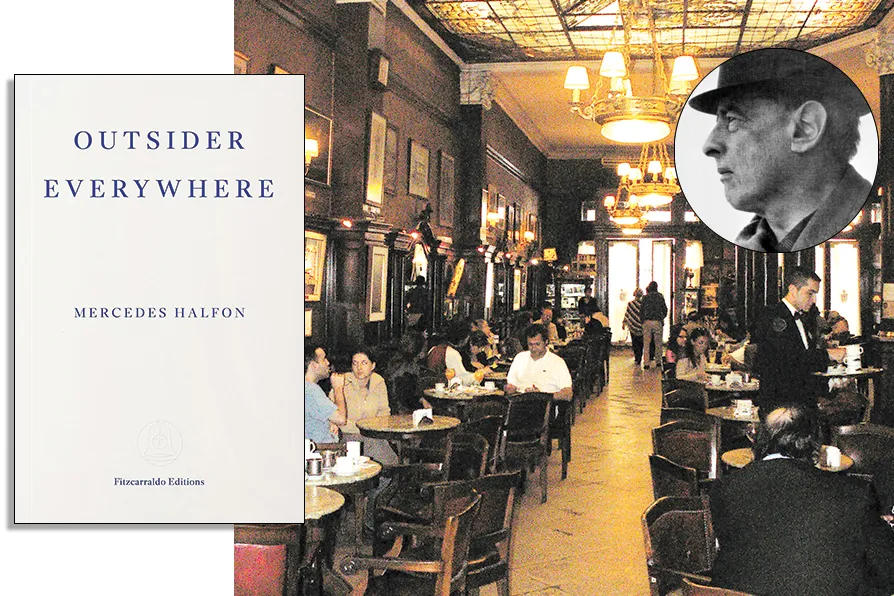
CHRIS MOSS joins the hunt in Argentina for the works of Poland’s most enigmatic exile
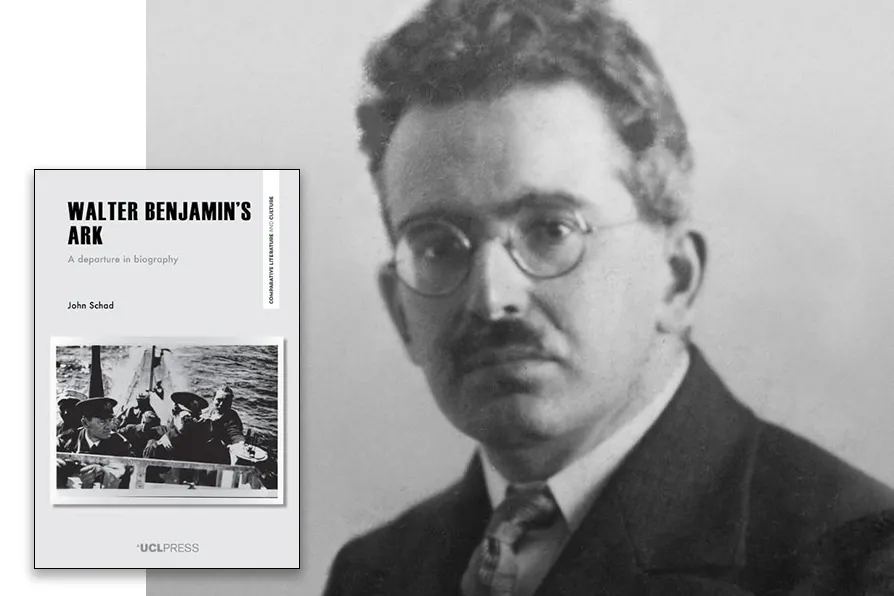
GORDON PARSONS is intrigued by a biography of the Marxist intellectual and author, made from the point of view of his son
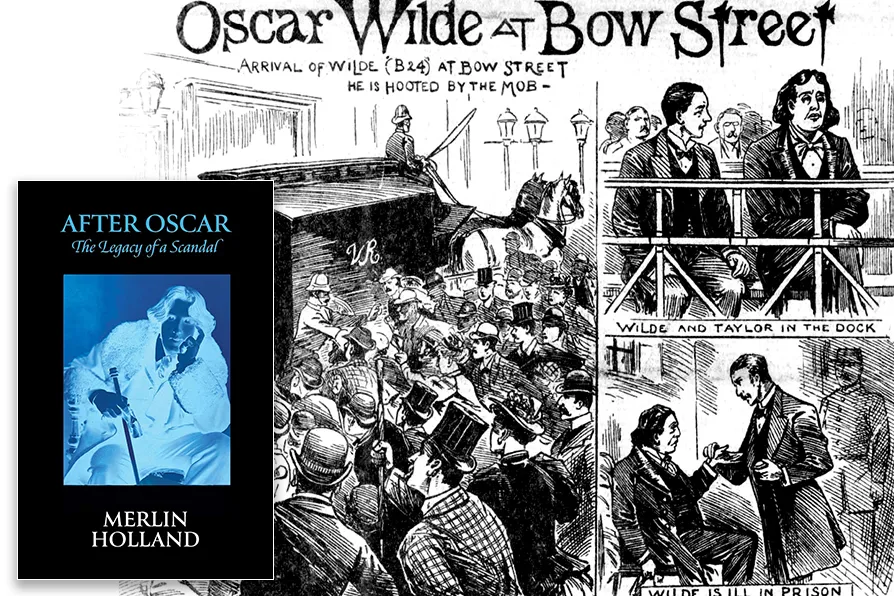
MARJORIE MAYO welcomes an account of family life after Oscar Wilde, a cathartic exercise, written by his grandson

GORDON PARSONS acknowledges the authority with which Sarah Kane’s theatrical justification for suicide has resonance today