

 Latest editorial
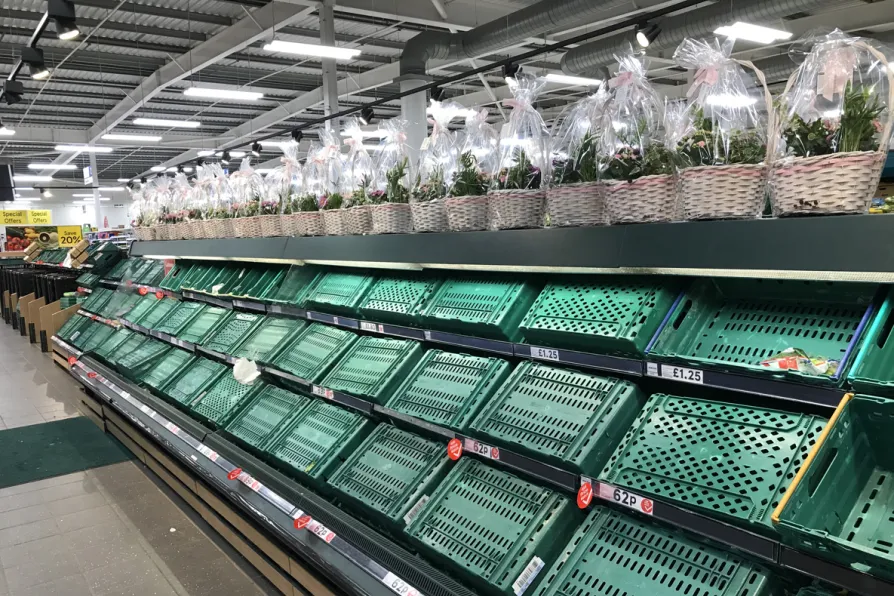 Empty shelves in a Tesco Extra store in Worthing, West Sussex
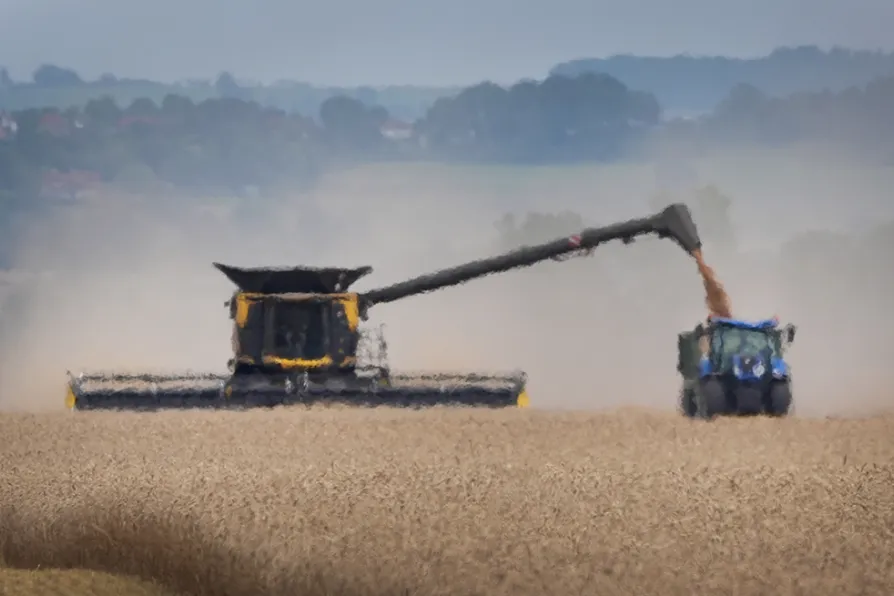


THE Unite union is right to put employers in the dock over labour shortages causing supply chain upsets.
The government’s mooted plans to review its Shortage of Occupation list to make it easier for overseas workers in sectors such as food production and haulage to get visas is a cop-out.
It’s a sop to employers who feel entitled to an endless supply of cheap labour they will not even take responsibility for training.
Too often the left has failed to challenge sob stories from business about the catastrophic economic consequences of any limits on their ability to move goods, labour and capital to wherever they can extract the greatest profit.
The assumption that any disruption for bosses is bad for us all ran through the Brexit debate for years, with Labour especially seeing negotiations on leaving the EU not as an opportunity to change anything about the structure of our economy, but as an exercise in seeing how much of the status quo could be salvaged.
Some of the patronising liberal narrative of those years — that the Brexit vote was the work of bigoted, ill-educated “gammons” who had been conned by chancers like Nigel Farage into voting to impoverish themselves — has been evident in the reaction to recent supply chain problems, with the shortage of McDonald’s milkshakes in particular prompting social media mockery of Brexit voters who are presumed to now regret their choice as they are no doubt the kind of unenlightened people who eat at McDonald’s.
The strain of class hatred in this “told you so” preening is obvious.
But way beyond Remainiac circles approaches to Britain’s current economic difficulties are crippled by assumptions that we need to recreate the pre-Brexit and pre-Covid economy, instead of addressing the issue of labour shortages directly.
Unite cuts through that by warning supermarkets against “raiding other countries of their workers” and pointing to the roots of the shortage in job insecurity, low pay and unpleasant working conditions in food production and distribution.
The haulage industry has for years shrugged off any responsibility for maintaining its workforce, resisting pressure from one of Unite’s predecessor unions the TGWU to participate in an industry-wide training levy even though the cost of training as a heavy goods vehicle driver can run into thousands of pounds, a sum well beyond most in a labour market dominated by insecure work and poverty pay.
Presuming on an endless supply of drivers trained elsewhere arriving from countries with lower living standards, haulage firms have seen no need to train new lorry drivers.
At the same time the huge economic clout of a handful of giant supermarkets presses them into a constant war on costs, which has seen drivers’ wages forced down by comparison with other jobs despite the long, unsocial hours and heavy responsibility involved.
“Solving” this problem by developing new ways to bring in cheap labour and lowering safety standards (the government has raised the number of hours drivers are allowed to drive per day from nine to 10) simply props up a broken system, just as the cross-party push to extend agricultural workers’ visas beyond the limits of the EU told a story about dire pay and conditions in a sector that was struggling to attract workers even from the poorest EU countries.
With the political and industrial will, there is no need for this intensely exploitative and destructive model to continue.
Sectoral collective bargaining would protect suppliers from supermarket pressure to constantly drive down costs just as it would raise pay and benefit workers in supply chain industries.
In the absence of a government ready to legislate for that, the key will be co-ordinated sectoral organising by unions to fight to establish common minimum standards that employers — who are already being induced by labour shortages to offer “golden hellos” and temporary wage uplifts — can be made to accept.


Four decades on, the Wapping dispute stands as both a heroic act of resistance and a decisive moment in the long campaign to break trade union power. Lord JOHN HENDY KC looks back on the events of 1986
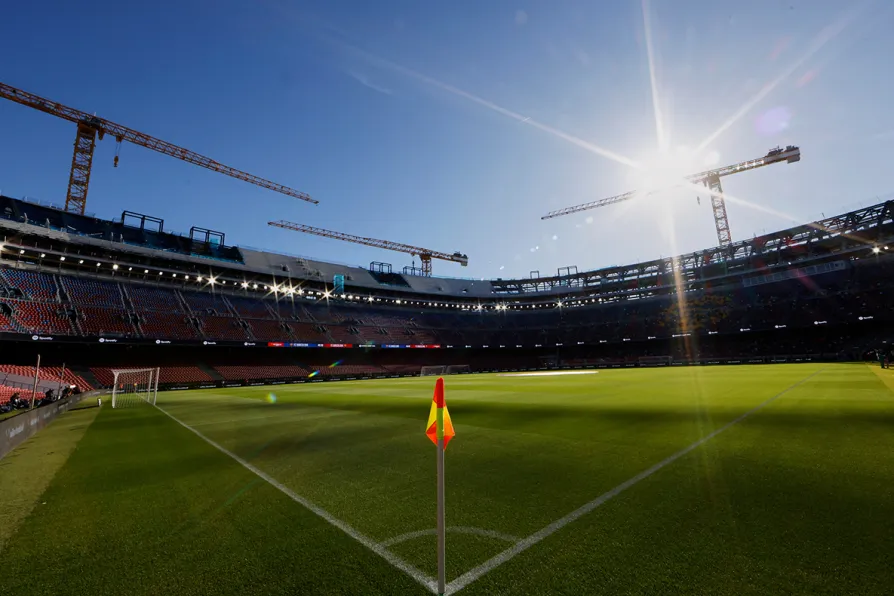
As unions sound the alarm on kafala-like dependence, FC Barcelona must decide whether their values extend beyond the pitch, writes KIVANC ELIACIK
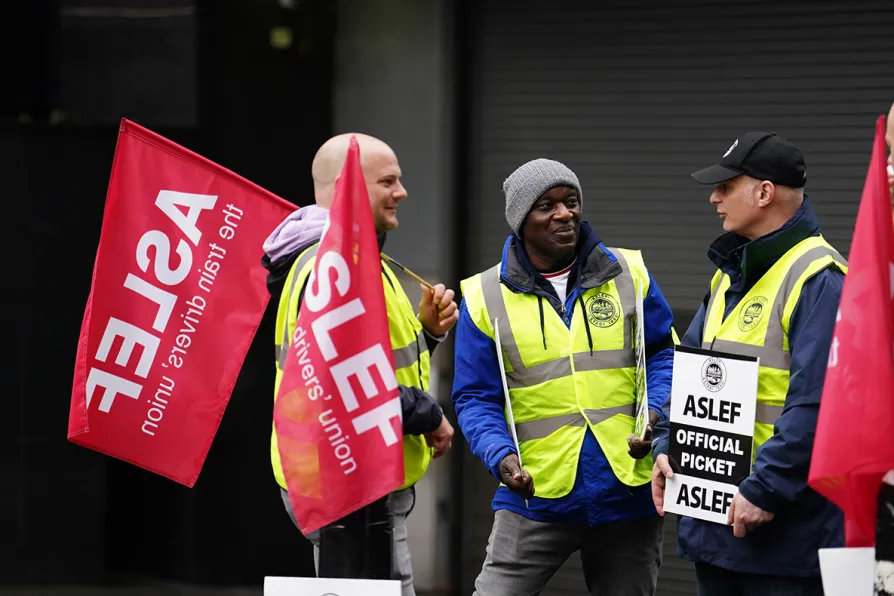
On the eve of the 157th Trades Union Congress, MICK WHELAN, general secretary of Aslef, the train drivers’ union, celebrates victory in his campaign to get dignity for drivers at work
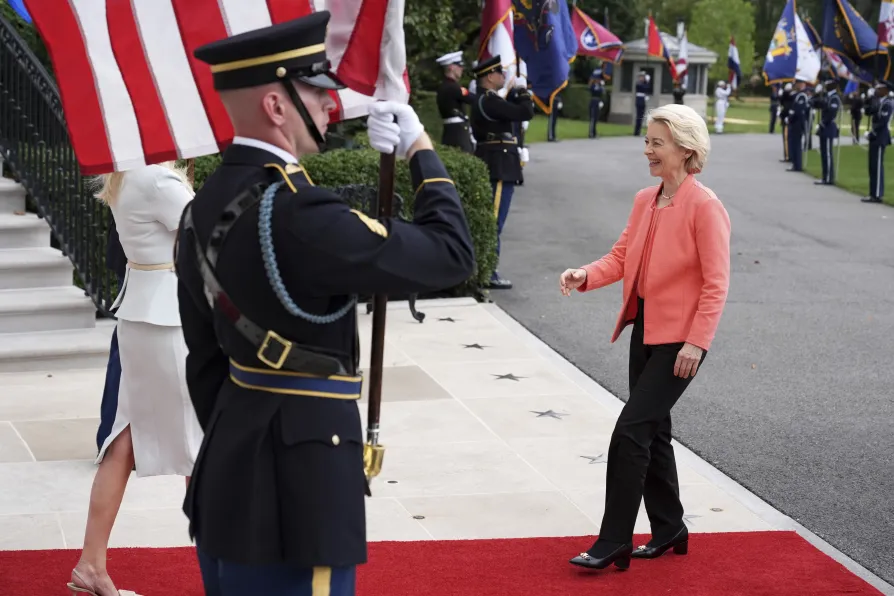
US tariffs have had Von der Leyen bowing in submission, while comments from the former European Central Bank leader call for more European political integration and less individual state sovereignty. All this adds up to more pain and austerity ahead, argues NICK WRIGHT