

 Latest editorial
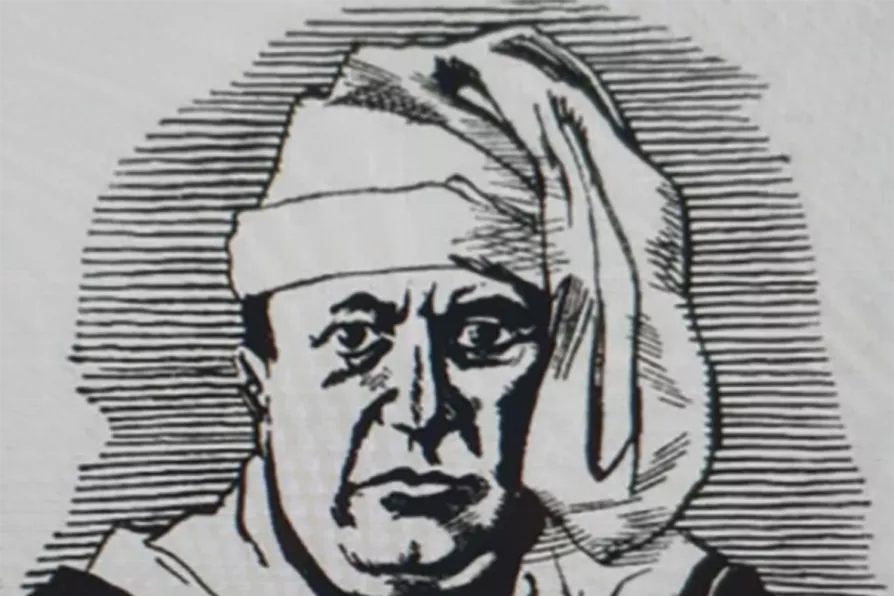 HERO THROUGH HISTORY: John Ball depicted in an illustration in the Daily Worker, 1938

by Nana Backland, Merseyside Morning Star Readers & Supporters Group
The Tories introduced the 50% strike ballot threshold to make industrial action harder. MATT WRACK argues that a Labour government has no justification for leaving it on the statute book
In the wake of Ann Widdecombe’s murder, JOHN GREEN wonders whether the government will really get to grips with the root cause of these attacks on our MPs
The new PM’s opening addresses offered hope, council homes and reform — but little detail on how any of it will be delivered, warns CLAUDIA WEBBE
Nature as well as society works dialectically, asserts the Marx Memorial Library and Workers’ School


THIS summer marks the 640th anniversary of the 1381 English uprising, often known as the Peasants’ Revolt.
The uprisings in the south-east have become the most famous. On their arrival in London, the (largely) disciplined rebels selected political, legal and ecclesiastical targets associated with the ruling class.
Remarkably, rebels managed to get into the Tower of London and decapitate some of the most powerful people in England, including the Archbishop of Canterbury (and Chancellor of England), Simon Sudbury.

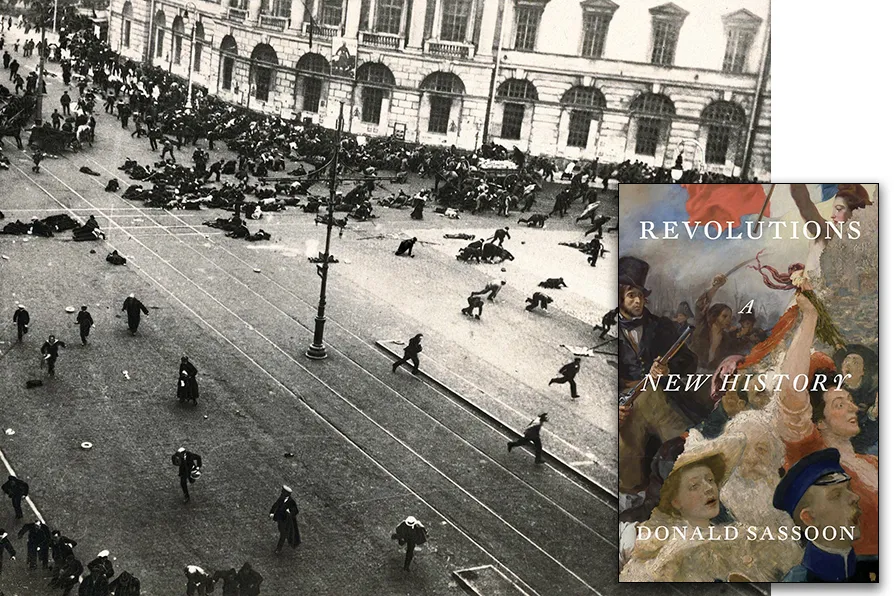
HENRY BELL follows the lineage of revolutions, from the English to the Chinese, and asks where revolutionary politics exists today
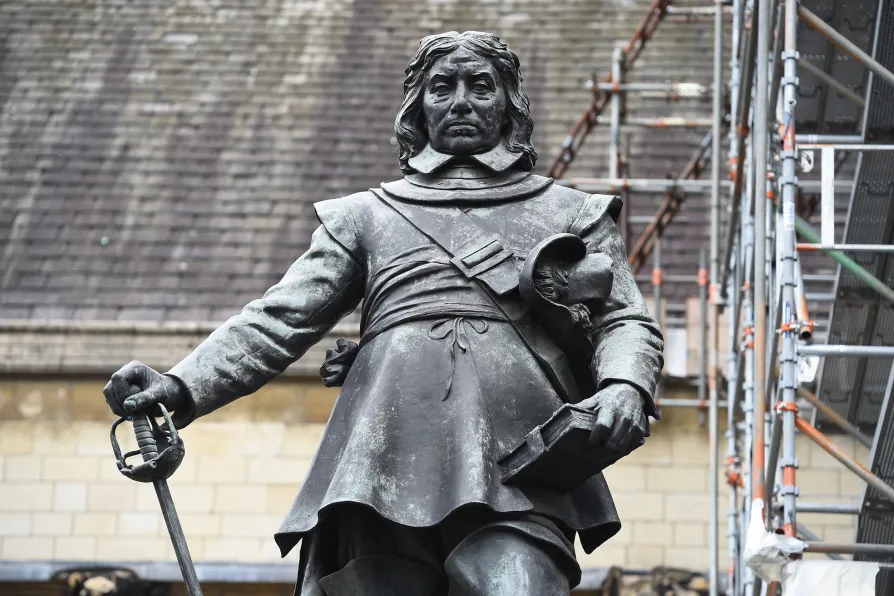
The selection, analysis and interpretation of historical ‘facts’ always takes place within a paradigm, a model of how the world works. That’s why history is always a battleground, declares the Marx Memorial Library
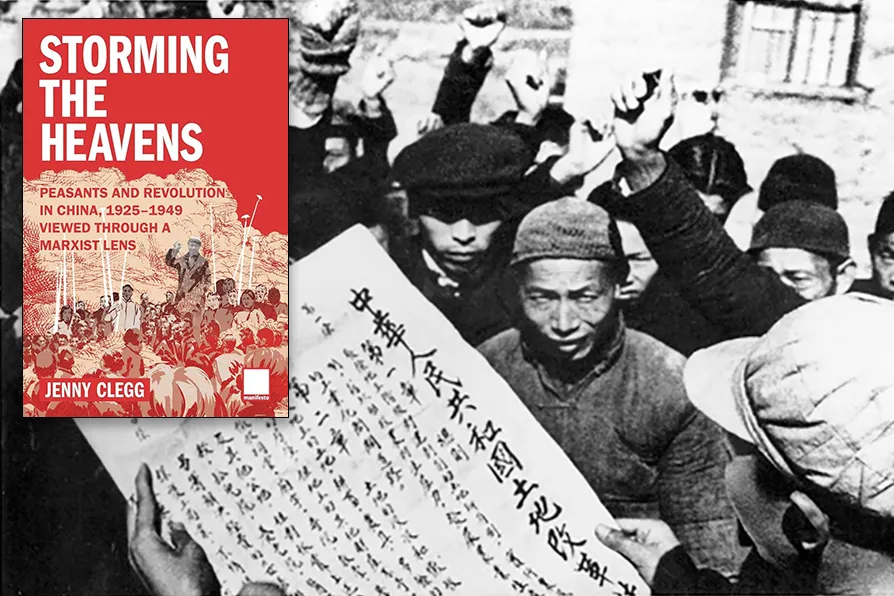
BEN CHACKO welcomes a masterful analysis that puts class struggle back at the heart of our understanding of China’s revolution

NICK MATTHEWS recalls how the ideals of socialism and the holding of goods in common have an older provenance than you might think