

 Latest editorial
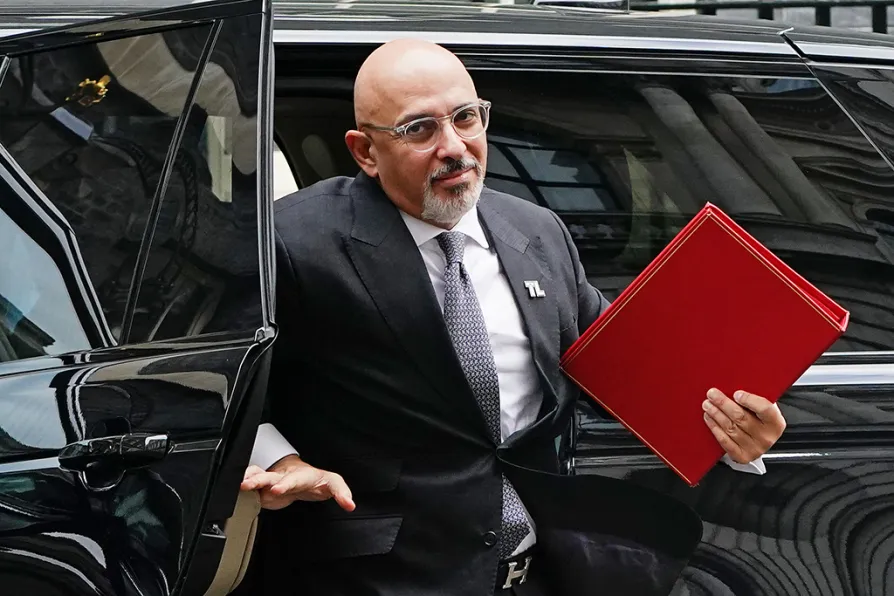 Education Secretary Nadhim Zahawi



THE Conservatives’ drive for “impartial” education follows news of Year 6 pupils in Nottingham who in a classroom exercise observed that our Prime Minister is “a hypocrite and can no longer be trusted as our leader and should resign.”
Smart kids. But the new guidance being issued to teachers to warn them off embarrassing topics is no joke.
As the National Education Union points out, guidelines to prevent politically partisan teaching already exist. Nadhim Zahawi’s strictures on how to handle the teaching of racism, empire and “significant political figures” serve a different purpose.
This is the same government which instructed schools back in 2020 never to use teaching materials from organisations that had “expressed a desire to end capitalism.”
The same whose back-bench MPs’ constructive criticism of a 268-page annual report by the BBC last year was that it did not have enough Union Jack pictures.
The same that plans to mark the Queen’s platinum jubilee by issuing every primary schoolchild with a new book about Britain’s achievements, with a special section on the importance of the monarchy — a tome that will no doubt be impartial, and avoid giving one-sided treatment of contested topics.
These are the actions of a government seeking to silence debate on topics it considers dangerous. Some of its ministers may really believe teachers are intent on indoctrinating their charges with Marxism, liberalism or some bogeyman mixture of the two — the inspiration for former education secretary Michael Gove’s war on “the Blob” — but the aim is not to depoliticise education but to narrow the acceptable range of debate within it.
Why? It’s been suggested that a culture war over education serves as a valuable distraction from the real problems facing schools.
It draws the education debate away from Britain’s miserly investment in helping schools make up for pandemic disruption. Or the looming impact of the cost-of-living crisis on child poverty, already a huge barrier to learning for millions.
The Tories may have an eye on the successful prosecution of these culture wars by parts of the US right. Across the Atlantic we are becoming familiar with partisan purges of library shelves and confabulated rows over concepts like critical race theory being used to shut down all discussion of racism.
Britain is not the US, and these confrontations are unlikely to catch on here in the same way.
But Britain’s ruling class has certainly been shaken by the political upheavals of the last decade — when all the advice of the Westminster parties and “economic experts” could not stop voters rejecting the strategic economic orientation this country had pursued for four decades through the EU, and when the sudden re-emergence of a socialist politics won millions of votes and came within a whisker of electoral victory.
Hence ministers’ renewed desire to stop people asking awkward questions or exploring subjects with political implications that challenge the status quo.
Education cannot truly be depoliticised. School curricula and textbooks already promote the ideas of the ruling class in myriad ways.
One may read in a current A-level economics textbook that “inequality provides incentives for people to work harder” and that a disadvantage of public healthcare is that it increases demand for treatment. Cold war history courses are more likely to dwell on Soviet military interventions in Hungary and Czechoslovakia than the US record of torture, coups and dirty wars in Latin America.
It is hard to see how topics of paramount importance like addressing climate change could be taught meaningfully at all without discussions on the political and economic obstacles to action — though Zahawi would not doubt consider this partisan and unacceptable.
There is wide consensus among teachers and parents that education should not be party political. But the Tories’ impartiality crusade is less about protecting young minds from ideologues than closing them to reality.

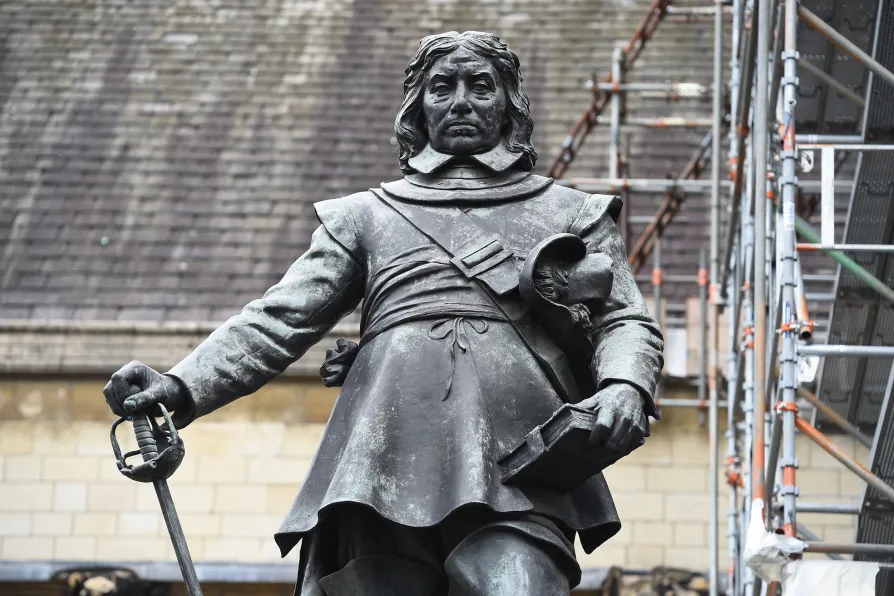
The selection, analysis and interpretation of historical ‘facts’ always takes place within a paradigm, a model of how the world works. That’s why history is always a battleground, declares the Marx Memorial Library
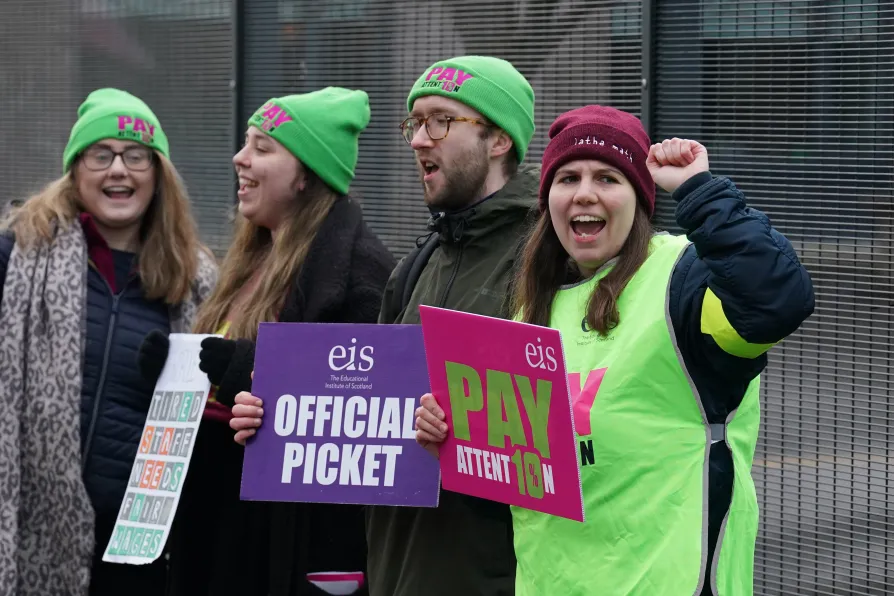
With 12,000 fewer teachers since 2010 and dwindling resources, Scotland’s schools desperately need investment to support diverse learners rather than empty promises from politicians, writes ANDREA BRADLEY

From hunting rare pamphlets at book sales to online panels and courses on trade unionism and class politics, the MML continues connecting archive treasures with the movements fighting for a better world, writes director MEIRIAN JUMP

Robinson successfully defended his school from closure, fought for the unification of the teaching unions, mentored future trade union leaders and transformed teaching at the Marx Memorial Library, writes JOHN FOSTER