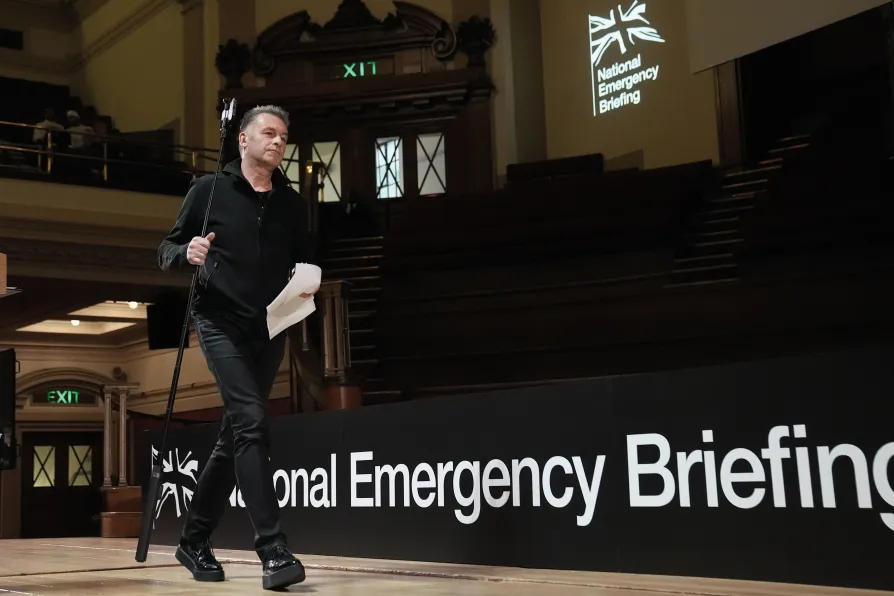
The National Emergency Briefing outlines the need for urgent action to address environmental crisis, says PAUL DONOVAN, warning that there’s no time to indulge the arguments of the fossil-fuel-funded climate-change deniers


 Latest editorial
Universal Credit - can the anti-poll tax resistance show the way?
ELIZA GEARTY asks if today's movement can resist benefit cuts with the same ferocity
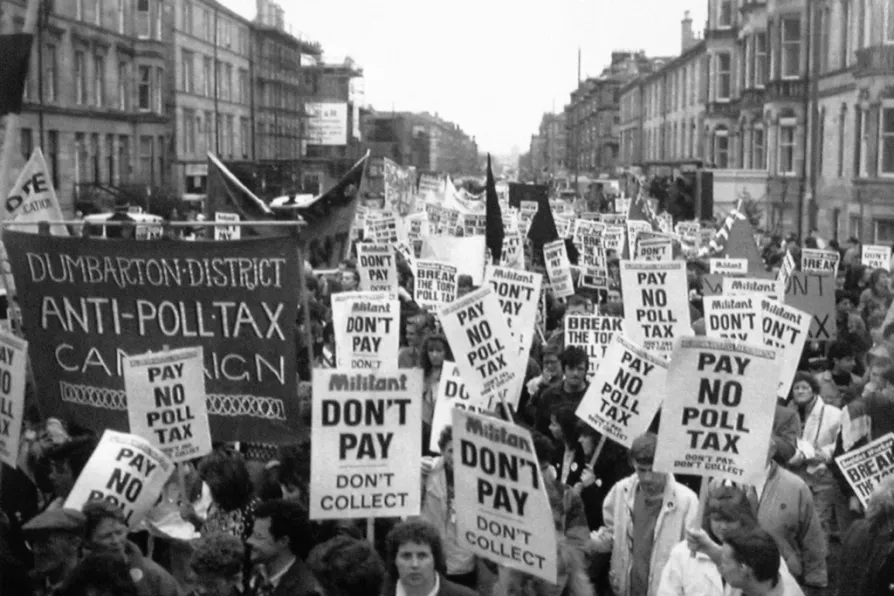 Anti-Poll Tax demonstrators march from the centre of Glasgow, to a rally in Victoria Park, in a mass protest against the Government's community charge in March 1990
Campaigners say criticism of Labour MP Stephen Morgan’s position on Gaza has been met with police intervention and cancelled opportunities for debate. HESTER WOLFE reports
The Committee for the Defence of Iranian People’s Rights warns of escalation danger in Iran war
Claudia Webbe pays tribute tribute to KANYA KING CBE, February 12 1964 to June 3 2026
The Milburn review presents itself as a plan to help young people into work, but Dr DYLAN MURPHY argues it is laying the groundwork for a harsher benefits regime
Campaigners from across the continent will gather in Brussels on June 14 to oppose Europe’s accelerating militarisation and cuts to public services, write MAGGIE SIMPSON and BOB ORAM of No Cold War Britain


WE are fast approaching 30 years since the the largest act of civil disobedience in Scottish history: the non-payment of the Community Charge, commonly known as the Poll Tax.
When Margaret Thatcher’s government implemented the tax in Scotland a year earlier than in England and Wales, campaigners organised quickly and efficiently.
In addition to encouraging non-payments, anti-poll tax unions organised mass protests and resisted bailiffs by picketing and occupying their offices in Edinburgh and Glasgow, roaming the streets with cars and radios on the lookout.
The venom with which Scottish communities in particular led the attack on the poll tax arguably played a huge role in its eventual abolition — and in Margaret Thatcher’s subsequent resignation.

Related articles
by Dr Ewan Gibbs, University of the West of Scotland