Economists estimate extreme poverty could be drastically reduced for a fraction of global defence spending, yet military budgets continue to expand year on year, says JON TRICKETT MP, ahead of the Stop the War International Conference on Saturday


 Latest editorial
German elections amid capitalist crisis
With federal elections coming up in Germany in February, NICK WRIGHT takes a look at the class forces shaping the policies of the main parties, and sees little hope of a breakthrough for the left
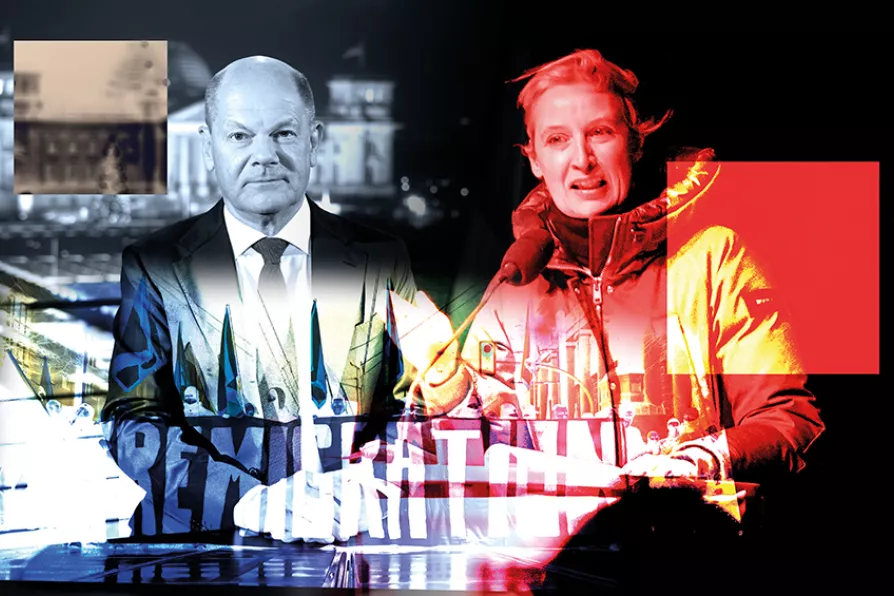 German Chancellor Olaf Scholz (left) and AfD co-leader Alice Weidel
As Unison launches its Year of Women Workers, ANNIE COGAN-THOMAS argues that stronger organisation and collective bargaining are essential to winning equality
Trade unions, trades councils and community organisations must work together to build lasting solidarity and resistance to the far right, argues DREW GILCHRIST
Recent violence in Belfast was not spontaneous — it was built on years of failure and political neglect, argues STIOFAN O NUALLAIN
As delegates meet in Brighton this week, Unison faces pressing questions about pay, organising, workers’ rights and political representation, explains ANDY CHAFFER
Andy Burnham’s growing stature has fuelled hopes of a Labour revival – but ALAN SIMPSON warns that Britain’s crisis runs far deeper than just its leadership and traces its roots to decades of financialised capitalism


CHANCELLOR Olaf Scholz’s three-party class cuddle coalition has collapsed. The unholy assembly of Scholz’s Social Democrat Party (SPD), the petit bourgeois Greens and the neoliberal Free Democrats has disintegrated under the burden of Germany’s growing economic crisis and the problems facing the German model of managed capitalism.
One expression of the break with the recent past is the rise, within the opposition Christian Democrat Party (CDU), of its latest leader Friedrich Merz, whose long contest with former party leader and chancellor Angela Merkel ended with her retirement. Since then the political landscape in Germany has changed and while the full disposition of political forces will not be visible until the election is over, the outline is taking shape.
The latest opinion polls have the SPD on 16.5 per cent, the conservative CDU/CSU alliance on 24.2 per cent, the Greens on 12 per cent, the neoliberal FDP on 3.5 per cent ,the far-right Alternative fur Deutschland (AfD) on 20.5 per cent, Die Linke on 4 per cent and Bundnis Sahra Wagenknecht (BSW) on 7 per cent.

Similar stories
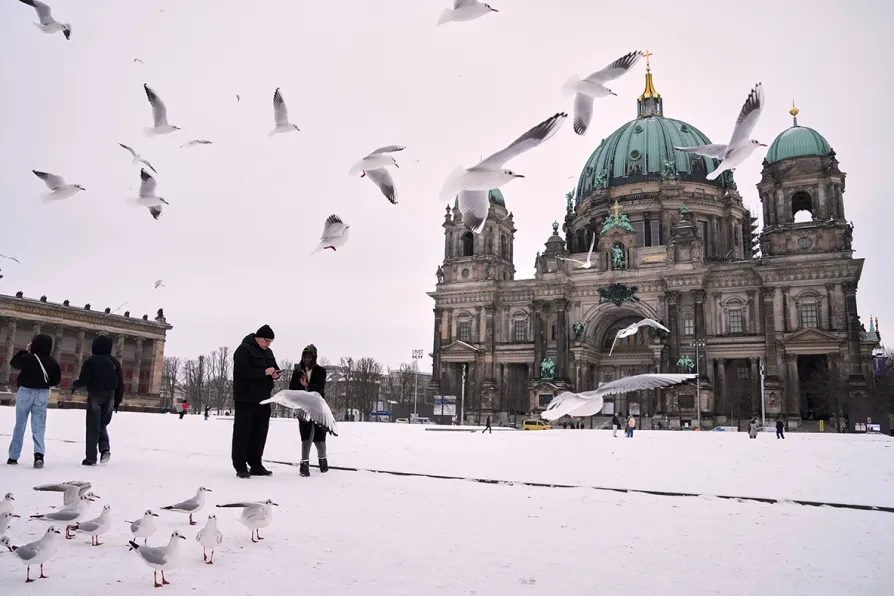
NICK WRIGHT returns to Berlin and finds a city in darkness and political turmoil
Western nations’ increasingly aggressive stance is not prompted by any increase in security threats against these countries — rather, it is caused by a desire to bring about regime changes against governments that pose a threat to the hegemony of imperialism, writes PRABHAT PATNAIK
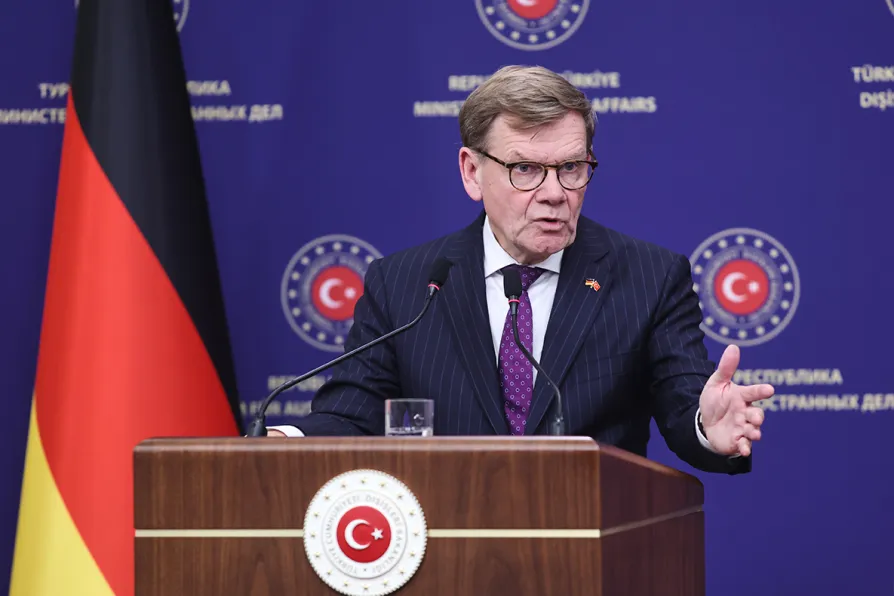
The cancelled China trip of the German Foreign Minister marks a break with Helmut Schmidt’s China policy and drives Germany further into Washington’s confrontation course, warns SEVIM DAGDELEN
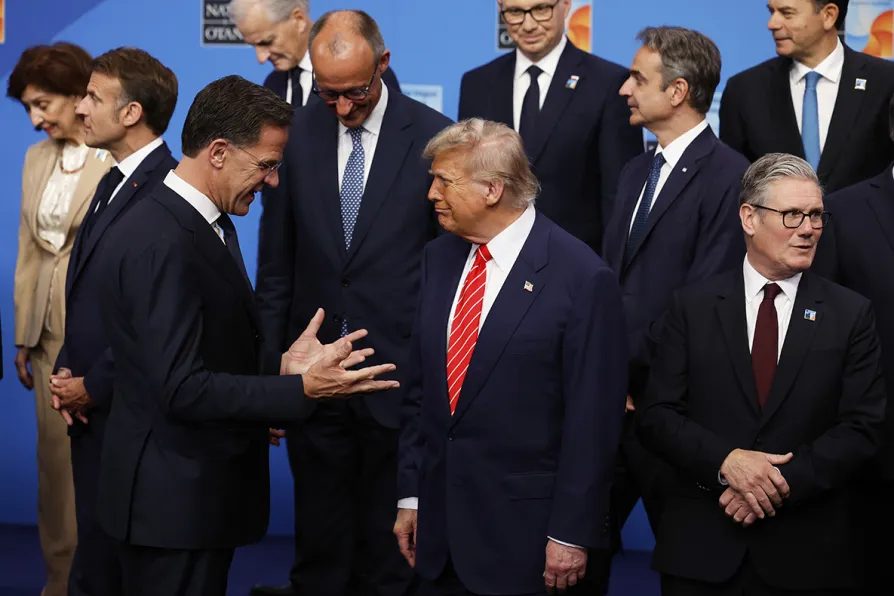
In an address to the Communist Party’s executive at the weekend international secretary KEVAN NELSON explained why the communists’ watchwords must be Jobs not Bombs and Welfare not Warfare