Durham Miners’ Association chair STEPHEN GUY speaks to Ben Chacko about the Reform threat, what’s needed from Labour and why the Big Meeting will never lose its politics


 Latest editorial
Charlie Hutchison, an anti-fascist icon
DAVID HORSLEY honours the black British communist who fought the fascists from Cable Street, to Spain, to the concentration camps of Nazi Germany
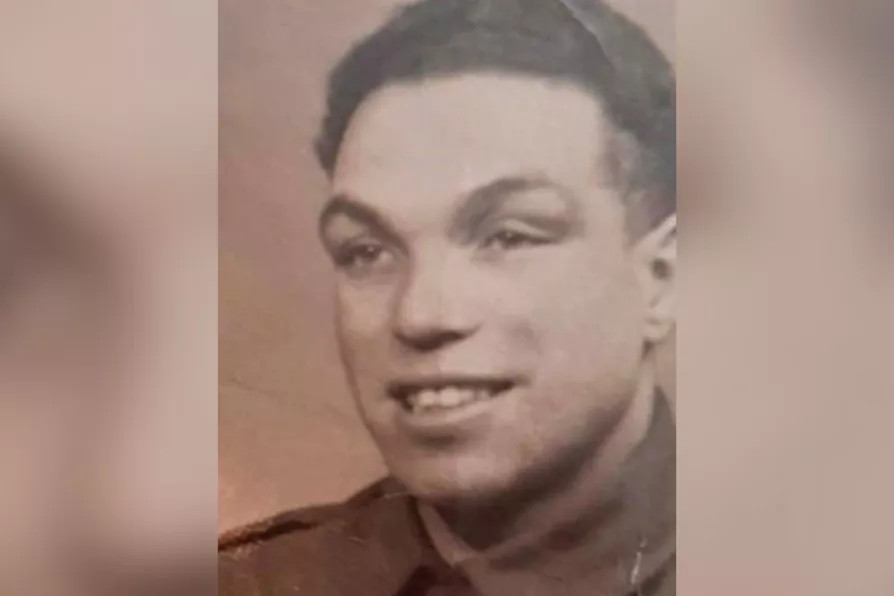 LIFELONG COMMUNIST: Charlie Hutchison during World War II
![Durham Miners' Gala 2026 [Pic: Neil Terry]](https://morningstaronline.co.uk/sites/default/files/styles/desktop/public/2026-07/SSS_20260711_DURHAM_MINERS_GALA_0-21.jpg.webp?itok=NUVjowji)
Andy Burnham’s message of hope will defeat Reform if Labour delivers the New Deal for Working People in full, says JOANNE THOMAS
General Federation of Trade Unions president and bakers’ union general secretary, SARAH WOOLLEY, guides us through the GFTU’s Summer School happening this week at Quorn Grange Hotel
The government’s latest asylum proposals abandon labour movement values and fuel division by aping Reform UK, writes DIANE ABBOTT MP
Can Andy Burnham’s programme deliver a productive economy – or merely a softer version of capitalism, asks VINCE MILLS
IAN LAVERY MP warns that decades of neoliberal policies have left former industrial communities behind — but a renewed Labour commitment to working people could change the political landscape


IN April 1945, British troops liberated the Belsen concentration camp. What they witnessed there stayed with them for life. They saw 60,000 survivors of the Nazi death camp, all seriously ill and starving, and 13,000 unburied corpses laying on the ground.
One of those troops was a 27-year-old black soldier from Oxfordshire, Charlie Hutchison. What was unique about him was that the sight of the horrifying death camp he saw in Belsen was the culmination of nine years he had been physically fighting that evil ideology: from Cable Street in 1936 to that day in 1945, Hutchison had dedicated his life to the struggle against racism and fascism.
Born on May 10 1918 in Oxfordshire, his mother was a local woman and his father came from the Gold Coast, now Ghana. The latter spent much time travelling back to Africa, and after one journey, did not return, which left Hutchison’s mother in financial hardship as well as mental anguish.
Under duress, she arranged for him and his sister to be taken temporarily into the care of the National Children’s Home and Orphanage in Harpenden. Unfortunately for the mother and children, this temporary stay went on for years, with her unable to take the two back into her care.

Similar stories
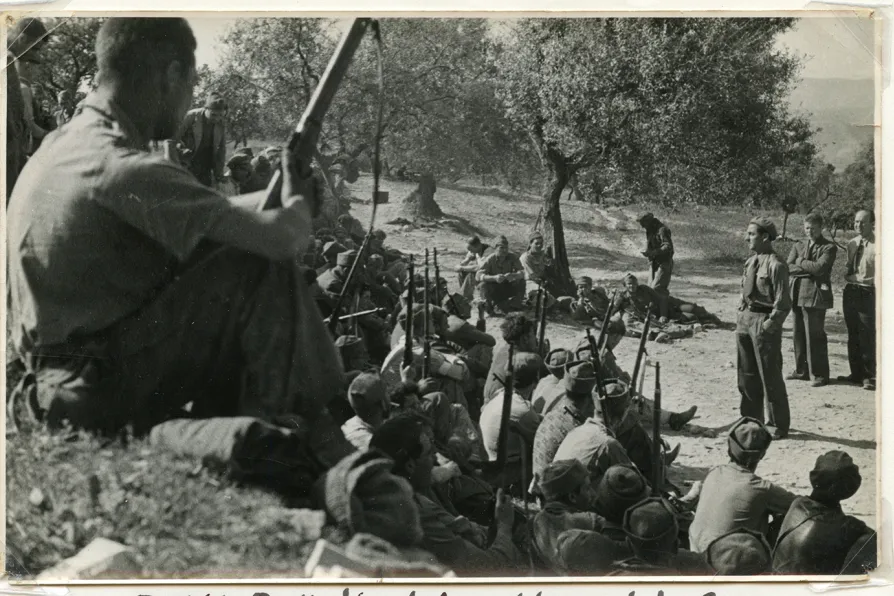
Thousands of remarkable Britons left ordinary lives behind to join the struggle against Franco. Here is a snapshot of those who answered the call
![Richard Baxell speaking at the Marx Memorial Library in London [Pic: Karl Weiss]](https://morningstaronline.co.uk/sites/default/files/styles/desktop/public/2026-07/RichardBaxell22Jul23.jpeg.webp?itok=HCh8iPRb)
Driven by anti-fascism and anger at Britain’s policy of non-intervention, thousands volunteered to fight in the Spanish civil war. Historian RICHARD BAXELL reflects on their sacrifices and enduring significance
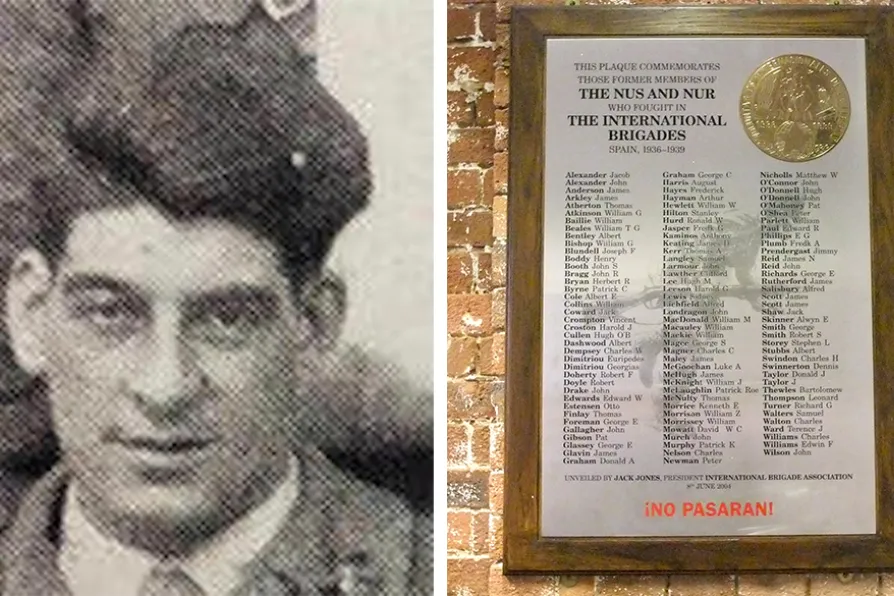
RMT general secretary Eddie Dempsey explains why his union is proud of its members who fought in Spain
![Harry Pollitt (right) with International Brigade volunteer David Guest, who was killed at the Ebro in July 1938 [Pic: Marx Memorial Library]](https://morningstaronline.co.uk/sites/default/files/styles/desktop/public/2026-07/a-2_a_50b_Harry%20Pollitt_David_Guest.jpg.webp?itok=Ag0u-8n5)
ALEX GORDON applauds the leading role played by Harry Pollitt and the Communist Party in the fight against fascism in Spain and salutes the memory of the International Brigades