The bard celebrates two other fine practitioners of the art, and laments a lost brewer


 Latest editorial
A fascinating moment of solidarity
ALEX WHITE reveals the radical side of Maya Angelou in her newly uncovered writing from Egypt and Ghana
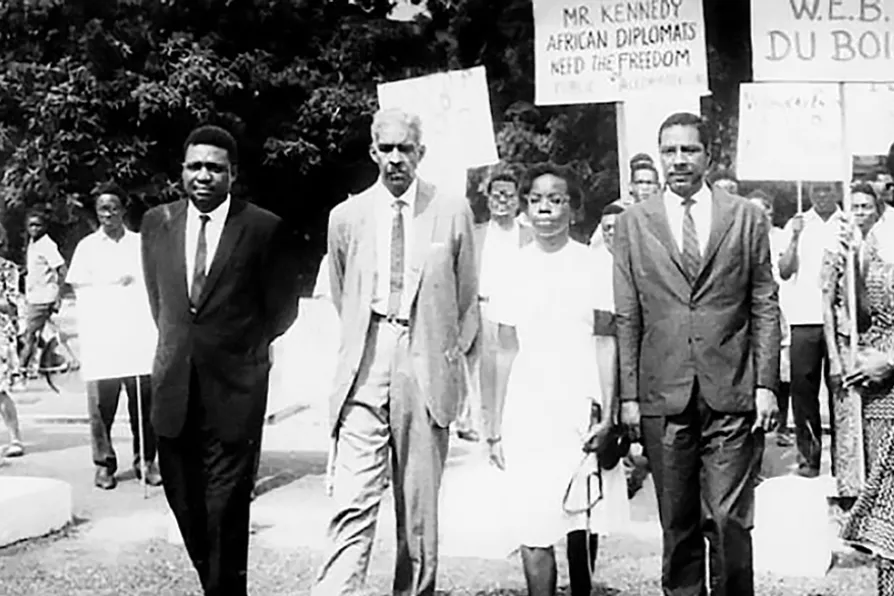 Maya Angelou (far right) protesting outside the US Embassy in Accra, Ghana, alongside Julian Mayfield, Alphaeus Hunton and Alice Windom (1963)
[The New York Public Library/CC BY]
Maya Angelou (far right) protesting outside the US Embassy in Accra, Ghana, alongside Julian Mayfield, Alphaeus Hunton and Alice Windom (1963)
[The New York Public Library/CC BY]
This right-wing conspiracy theory is used to justify the coercive measures against gender, race and labour rights that best serve capitalism, attests GAVIN O’TOOLE
KENNY MONROSE recommends a new exhibition that highlights the significance of Black British music
ANGUS REID is bowled over by an exuberant film about the making of Keith Jarrett’s legendary concert
MARIA DUARTE, FIONA O’CONNOR and ANDY HEDGECOCK review Savage House, Enzo, Madfabulous, and Erupcja
CHRIS SEARLE recommends a work of love and deep admiration for a great musician


ON August 28 1963, a group of activists gathered opposite the US embassy in the Ghanaian capital of Accra. Inspired by the March on Washington unfolding 5,000 miles away, the protesters carried placards urging the US government to “wipe out racism” and claiming that the US now faced a choice between “civil liberties and civil war.”
In the front row of the demonstration was a face that would later become famous – the American author and poet Maya Angelou.
The Accra march reflected Angelou’s growing engagement with radical politics. Frustrated by American racism and fascinated by African decolonisation, she moved to Egypt in 1961 and then Ghana in 1963. In both countries, she found work as a journalist within the state-controlled media.

Similar stories
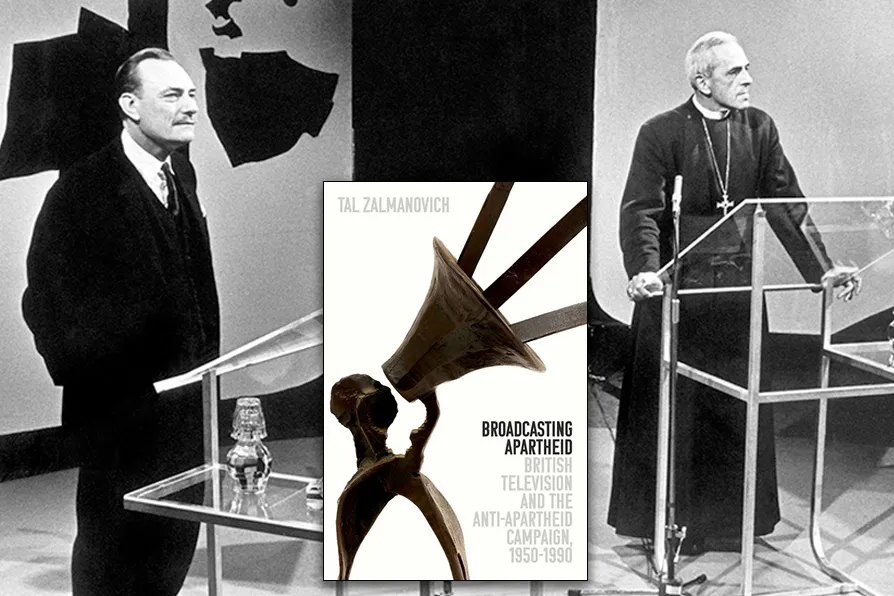
NADIA JOSEPH welcomes a survey of the role that TV played in the debate over apartheid and race relations in Britain
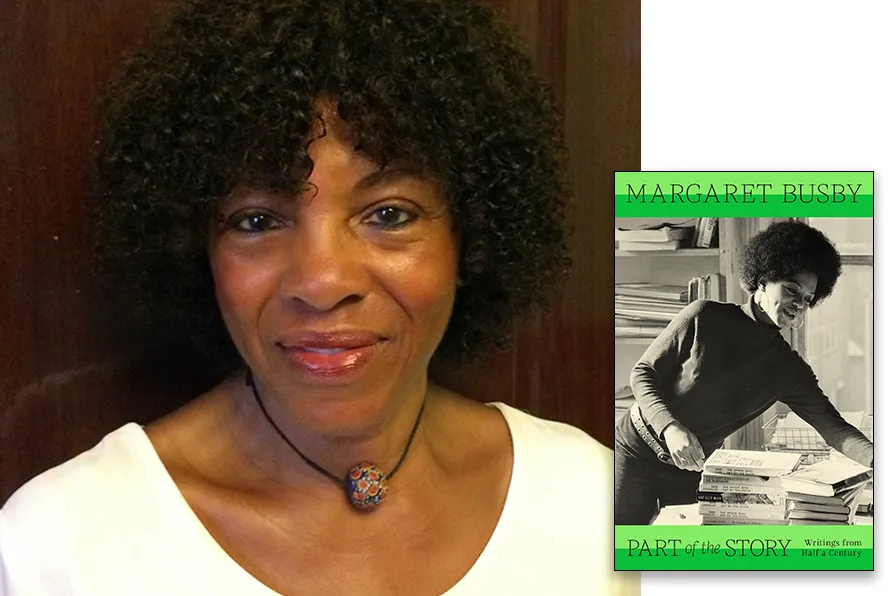
PETER MASON welcomes collected writings from Britain’s first black female publisher that focus on the place of black writers in literature
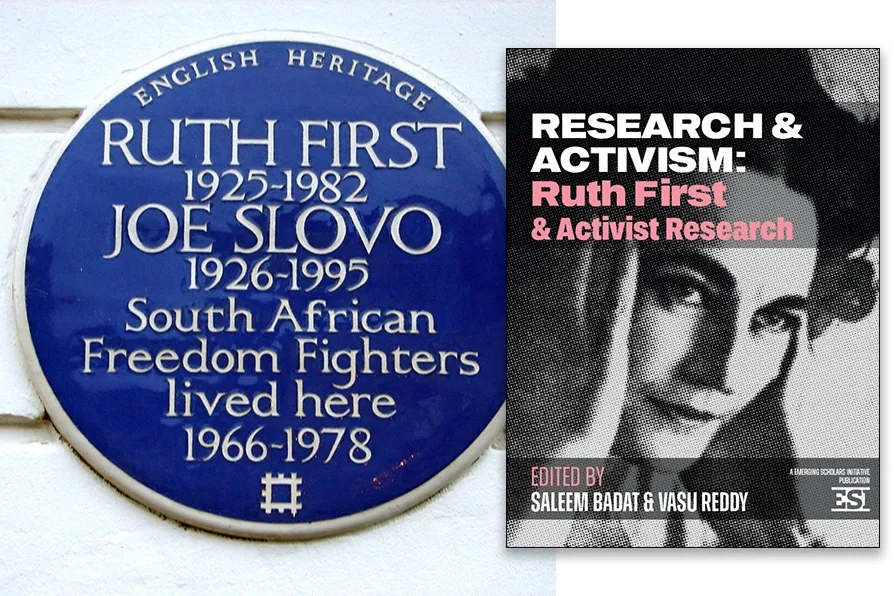
SALEEM BADAT and VASU REDDY introduce a new book about an outstanding interpreter of the world, and an activist scholar committed to changing society
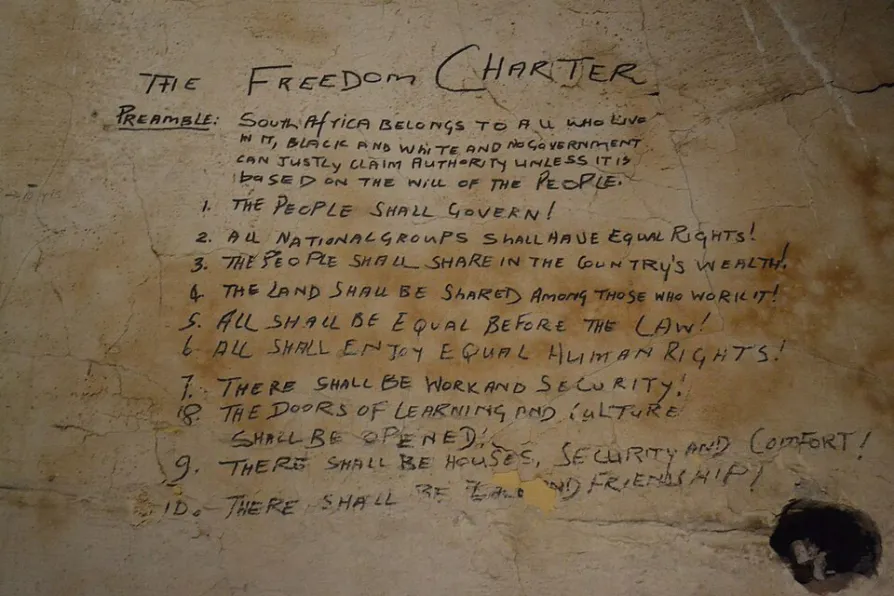
The charter emerged from a profoundly democratic process where people across South Africa answered ‘What kind of country do we want?’ — but imperial backlash and neoliberal compromise deferred its deepest transformations, argues RONNIE KASRILS