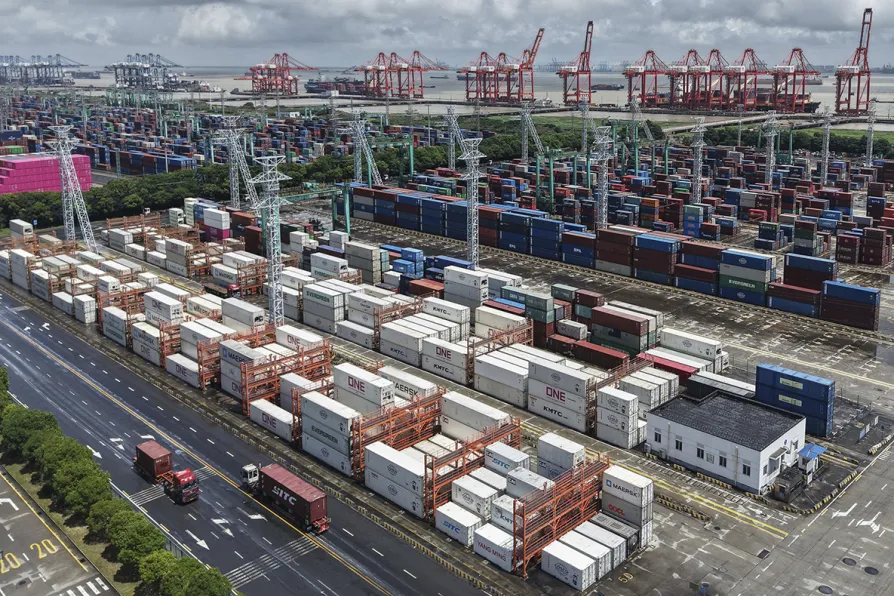
In the wake of his recent humanitarian visit to Cuba, RICHARD BURGON points to the now urgent need to defend the island’s political sovereignty and its right to self-determination


 Latest editorial
Xi Jinping in context
JULIDE YAZICI explores the ideological struggle in China today
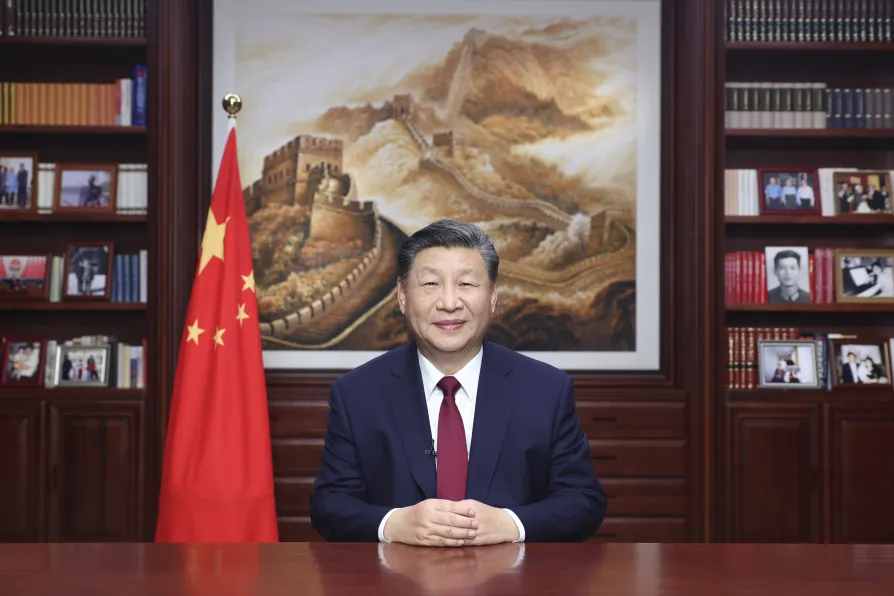 Chinese President Xi Jinping delivers a New Year message in Beijing to ring in 2024, December 31, 2023
[Ju Peng/Xinhua via AP]
Chinese President Xi Jinping delivers a New Year message in Beijing to ring in 2024, December 31, 2023
[Ju Peng/Xinhua via AP]
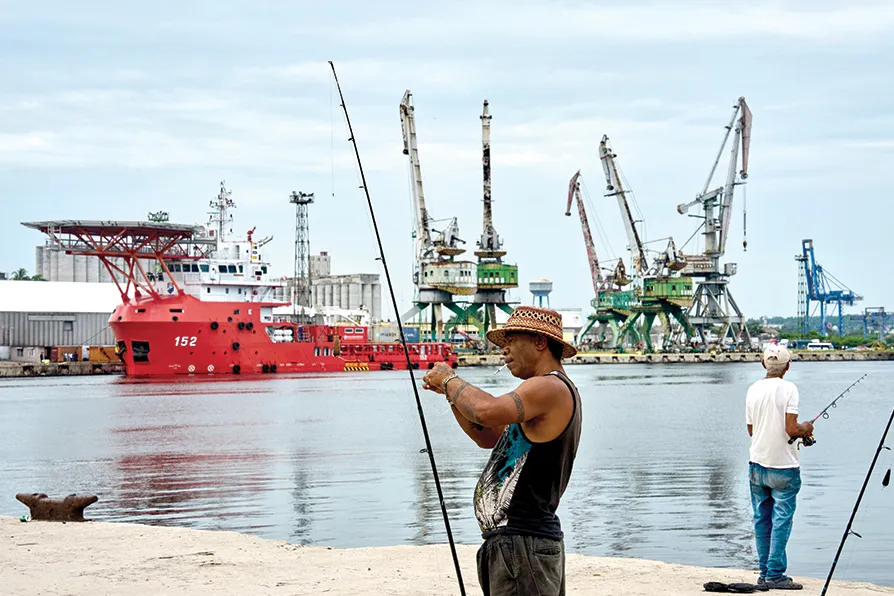
Thousands of jobs are at risk across higher education, yet government funding appears only when universities can be linked to military objectives, says JO GRADY, in the run-up to the Stop the War International Conference this Saturday
The Wye, Usk, Arrow and Lugg were once treasured for their clean waters – today, pollution and corporate excess are fuelling demands for a return to public ownership, says MARK SEDDON
The new Employment Rights Act is a step forward, but restoring collective bargaining and union power remains essential to tackling insecurity, outsourcing and low pay, says PAUL WHITEHOUSE
Rising support for Farage’s party reflects Labour’s failure to defend working-class living standards or offer a credible alternative to neoliberal decline, says JOSEPH MILLS
Trade unionists are mobilising to support Cuban workers and public services, amid escalating US pressure on the socialist island. RONAN OGILVY explains


ALAIN BADIOU, in his book Petrograd, Shangai: Les Deux Revolutions du XXe Siecle (the two revolutions of the 20th century), describes the revolutionary impact of the Cultural Revolution on his generation as follows: “Every subjective and practical trajectory has found its nomination in the tireless creativity of the Chinese Revolution.”
The Cultural Revolution was a creative project of engaging new militants to the revolutionary ideological struggle. Mao conceived the Cultural Revolution as a “struggle“ against an objective reality, the danger of deradicalisation that every revolution faces.
The Cultural Revolution, so to speak, emerged as a forced creativity. The harsh reality that the desired society could not be achieved immediately after a socialist revolution, the paradoxical nature and unique challenges and responsibilities of continuing this struggle from a state position were being learned by experience, and the leaders of the Chinese revolution had no ready-made prescription, neither from theory nor from experience.

Similar stories
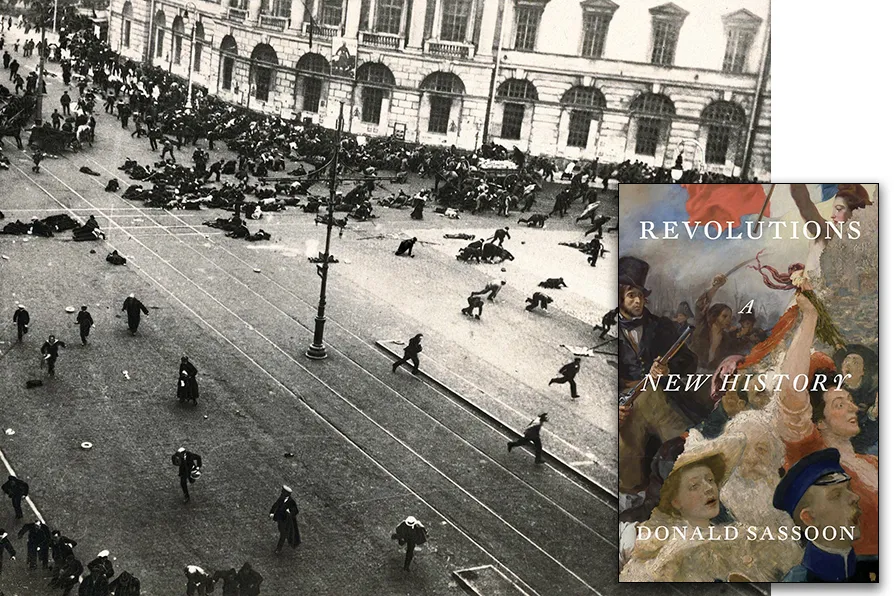
HENRY BELL follows the lineage of revolutions, from the English to the Chinese, and asks where revolutionary politics exists today
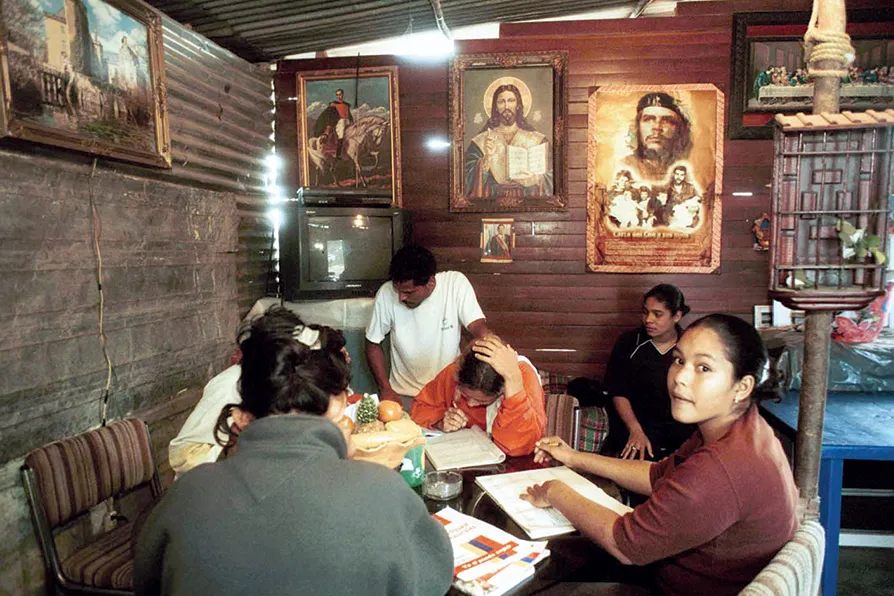
ISAAC SANEY points to the global stakes involved in defending the Cuban revolution against imperialism and calls for resistance
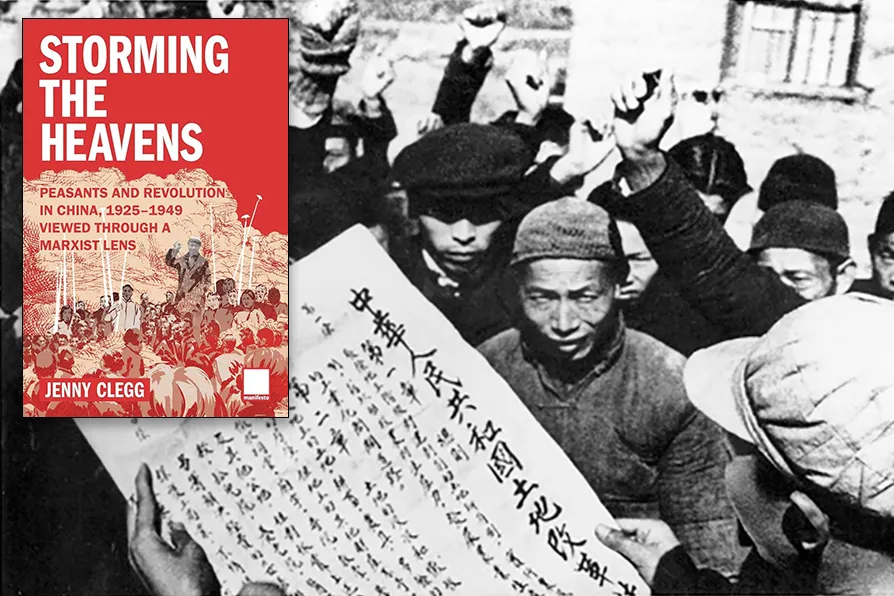
BEN CHACKO welcomes a masterful analysis that puts class struggle back at the heart of our understanding of China’s revolution