
ANGUS REID, ANDY HEDGECOCK and MARIA DUARTE review On The Sea, A Useful Ghost, Brunello: The Gracious Visionary, and Pinocchio Unstrung


Backyard alchemy
ELIZABETH LINDLEY examines the life and work of George Fullard, Britain’s finest working-class sculptor
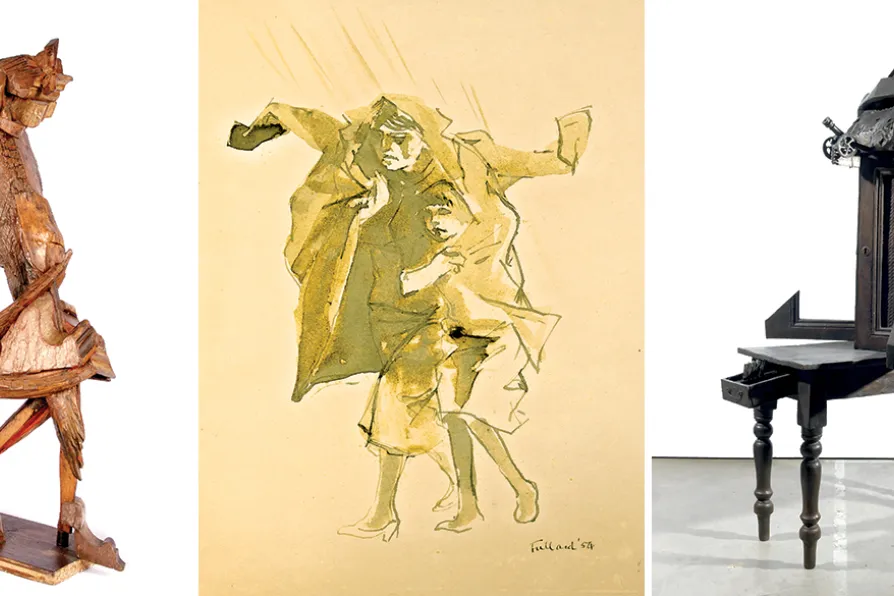
 (L to R) Striding Woman and Child, 1959; Mother and Child in Rain, 1954; Mounted Infant, 1956
[All Sheffield Museums]
(L to R) Striding Woman and Child, 1959; Mother and Child in Rain, 1954; Mounted Infant, 1956
[All Sheffield Museums]

RON JACOBS enjoys a great tale, told by a US communist, of the lives of working-class New Yorkers
BRENT CUTLER searches a new history of contemporary Iran for an understanding of the Islamic Republic, finding both interesting detail and glaring omissions
MARIA DUARTE recommends the true story of the remarkable woman who sued Donald Trump for sexual assault not once, but twice
KENNY MacASKILL is disappointed by a polemical, rather than factual, account of the Lone Star State and its political path since the civil war
PAUL DONOVAN is fascinated by the lives of Charles and Mary Bagot, and the insight this biography shines on the morals of pre-Victorian society
GORDON PARSONS appreciates fine performances and a feel for ambiguity, but misses the music of the dialogue


GROWING up in the tightly packed terraces of Darnall, in the shadow of Nunnery Colliery, George Fullard spent his boyhood playing fast and wildly inventive games amongst the busy alleys and yards. Here, he felt he was “free to play 50 parts in one morning, to fly, to sail.” His memories of the unbridled freedom of childhood play remained a reference point for Fullard throughout his career and gave him a lifelong empathy with working-class life.
Living in a Sculpture, the latest exhibition at Sheffield’s Graves Gallery, explores Fullard’s life and work from the perspective of his Sheffield childhood, tracing his artistic development from his early days spent observing the city streets. Providing an insight into the breadth of his creative output, the exhibition has been developed in collaboration with the George Fullard Estate and Gallery Pangolin.
George Fullard was the youngest of six siblings and grew up in a working-class family with strong socialist beliefs and a commitment to trade unionism. His father, also named George, was a communist and union activist who worked as a miner at Nunnery Colliery throughout Fullard’s early childhood.

Similar stories
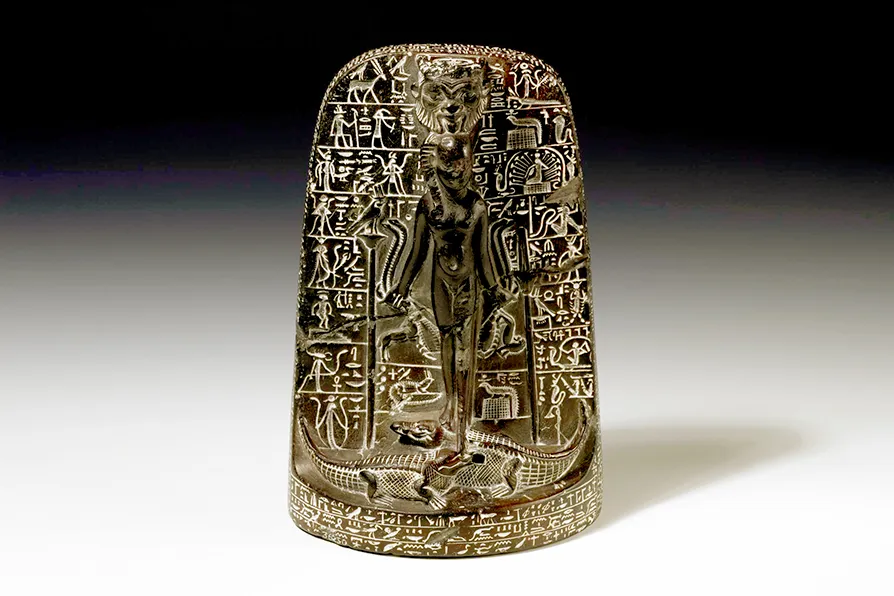
CHRISTIAN KNOBLAUCH is thrilled by the response of children to the presence of artefacts from the British Museum in their classrooms
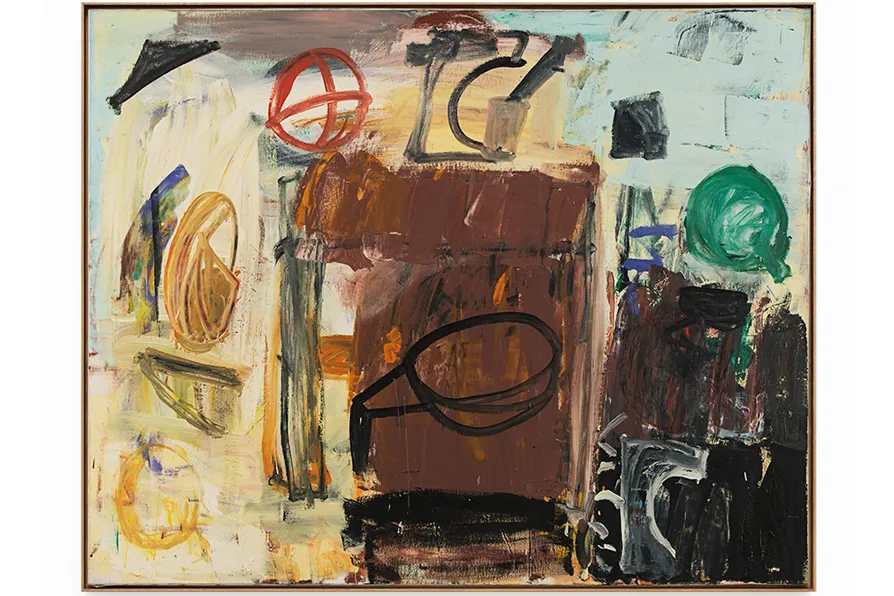
MIRANDA RICHMOND relishes the gloriously liberated art of Roy Oxlade, and traces his method back to the thinking of David Bomberg, his acknowledged teacher

If true, the photo’s history is a damning indictment of the systematic exploitation of non-Western journalists by Western media organisations – a pattern that persists today, posit KATE CANTRELL and ALISON BEDFORD
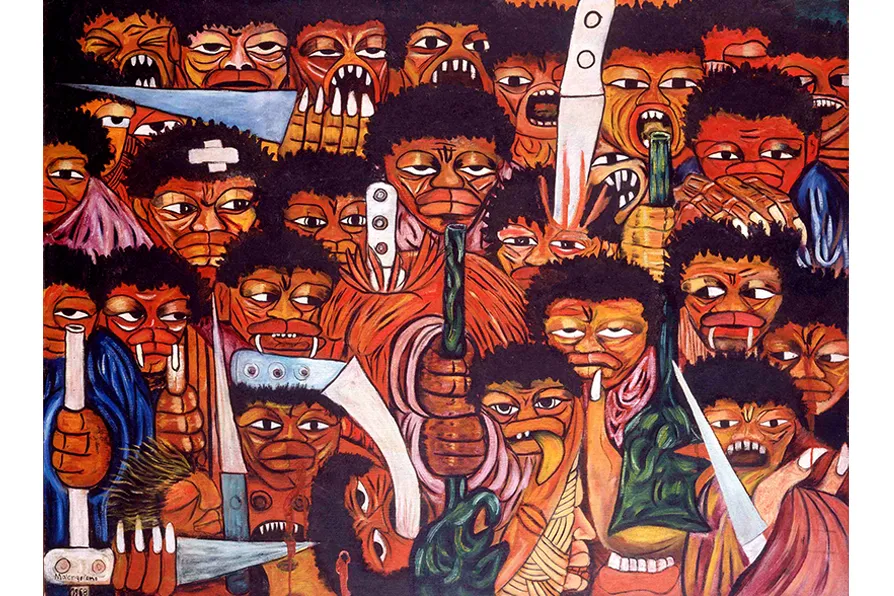
JOHN GREEN welcomes a remarkable study of Mozambique’s most renowned contemporary artist