Economists estimate extreme poverty could be drastically reduced for a fraction of global defence spending, yet military budgets continue to expand year on year, says JON TRICKETT MP, ahead of the Stop the War International Conference on Saturday


 Latest editorial
The labour movement can only support a united Ireland
The Labour Party's stated intention to campaign to keep partition must be ignored — the British working class will find it's strength in giving the Irish people the right to choose their future, writes NICK WRIGHT
As Unison launches its Year of Women Workers, ANNIE COGAN-THOMAS argues that stronger organisation and collective bargaining are essential to winning equality
Trade unions, trades councils and community organisations must work together to build lasting solidarity and resistance to the far right, argues DREW GILCHRIST
Recent violence in Belfast was not spontaneous — it was built on years of failure and political neglect, argues STIOFAN O NUALLAIN
As delegates meet in Brighton this week, Unison faces pressing questions about pay, organising, workers’ rights and political representation, explains ANDY CHAFFER
Andy Burnham’s growing stature has fuelled hopes of a Labour revival – but ALAN SIMPSON warns that Britain’s crisis runs far deeper than just its leadership and traces its roots to decades of financialised capitalism


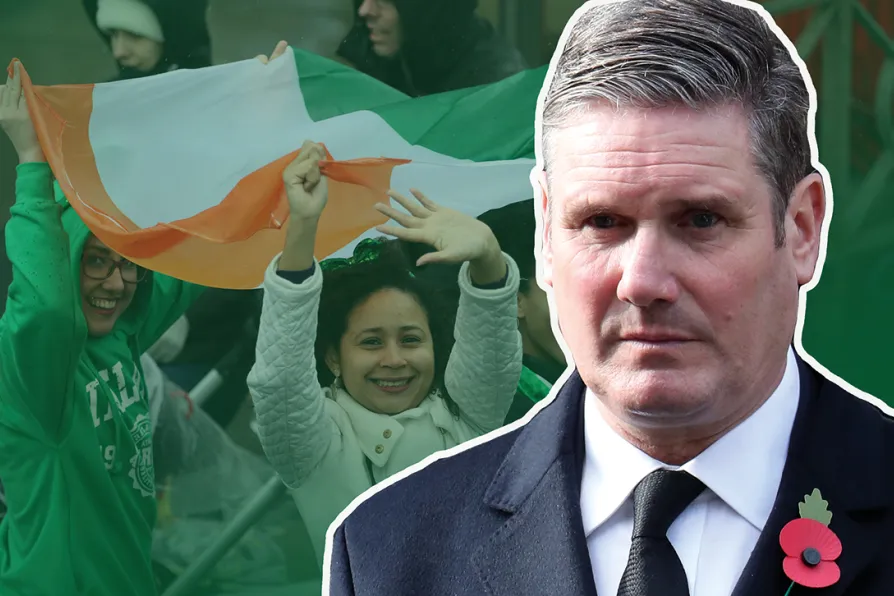
KEIR STARMER has stepped into the politics of partition in Ireland with a visit to meet party leaders along with an array of cops and community groups, school kids and, most probably, spooks.
He dressed his substantive support for the Northern Ireland protocol with a diversionary attack on Boris Johnson’s mendacity – as if anyone, on this issue or any other, was surprised at the prime minister’s fully flexible relationship with truth and consistency.
Labour’s barely subliminal positioning on Northern Ireland is the contradictory message that under his leadership, notwithstanding the blanket support for the protocol, Britain would be more accommodating to unionist sentiment than Johnson – whose commitment to the Brexit compromise reached with the EU’s leaders entails a clear willingness to see the Irish border run under the Irish sea and Ireland as a whole to emerge as a more cohesive and distinct economic entity.

Similar stories
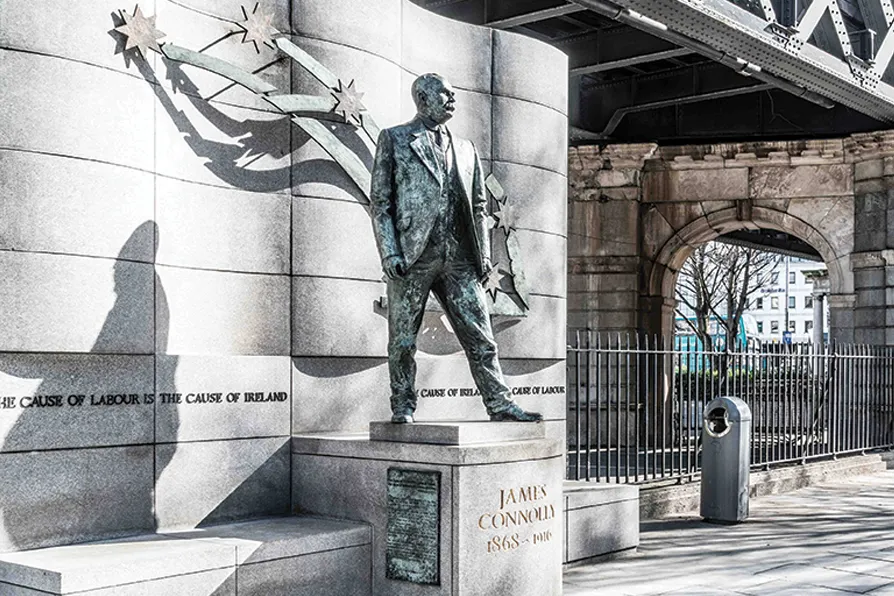
A new group within the NEU is preparing the labour movement for a conversation on Irish unity by arguing that true liberation must be rooted in working-class solidarity and anti-sectarianism, writes ROBERT POOLE
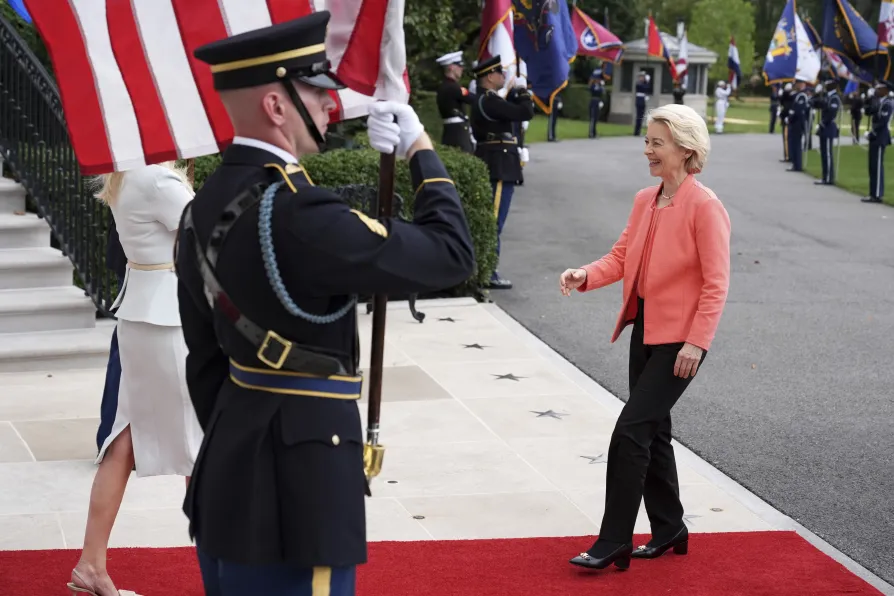
US tariffs have had Von der Leyen bowing in submission, while comments from the former European Central Bank leader call for more European political integration and less individual state sovereignty. All this adds up to more pain and austerity ahead, argues NICK WRIGHT

Starmer sabotaged Labour with his second referendum campaign, mobilising a liberal backlash that sincerely felt progressive ideals were at stake — but the EU was then and is now an entity Britain should have nothing to do with, explains NICK WRIGHT

Deep disillusionment with the Westminster cross-party consensus means rupture with the status quo is on the cards – bringing not only opportunities but also dangers, says NICK WRIGHT