ANGUS REID, ANDY HEDGECOCK and MARIA DUARTE review On The Sea, A Useful Ghost, Brunello: The Gracious Visionary, and Pinocchio Unstrung


 Latest editorial

Letters From Latin America: November 7, 2019
Reviews of poetry and fiction by Jorge Eduardo Eielson, Carmen Gimenez Smith and Brenda Lozano
 Outstanding: Carmen Gimenez Smith

RON JACOBS enjoys a great tale, told by a US communist, of the lives of working-class New Yorkers
BRENT CUTLER searches a new history of contemporary Iran for an understanding of the Islamic Republic, finding both interesting detail and glaring omissions
MARIA DUARTE recommends the true story of the remarkable woman who sued Donald Trump for sexual assault not once, but twice
KENNY MacASKILL is disappointed by a polemical, rather than factual, account of the Lone Star State and its political path since the civil war
PAUL DONOVAN is fascinated by the lives of Charles and Mary Bagot, and the insight this biography shines on the morals of pre-Victorian society
GORDON PARSONS appreciates fine performances and a feel for ambiguity, but misses the music of the dialogue


PERUVIAN poet and artist Jorge Eduardo Eielson (1924-2006) travelled to Italy in 1951 for a summer holiday and decided to settle in Rome, where he wrote his poetic masterpiece Room in Rome (Cardboard House, £10).
Available for the first time in English, this collection shows Eielson’s ability to knot together many of the poet’s main themes as “quipus” (“talking knots”), recording devices made from strings historically used by cultures in Andean South America.
Eielson weaves personal history with geographic location, homosexual desire with longing, past and future, in a fashion that is as playful as it is profound.

Similar stories
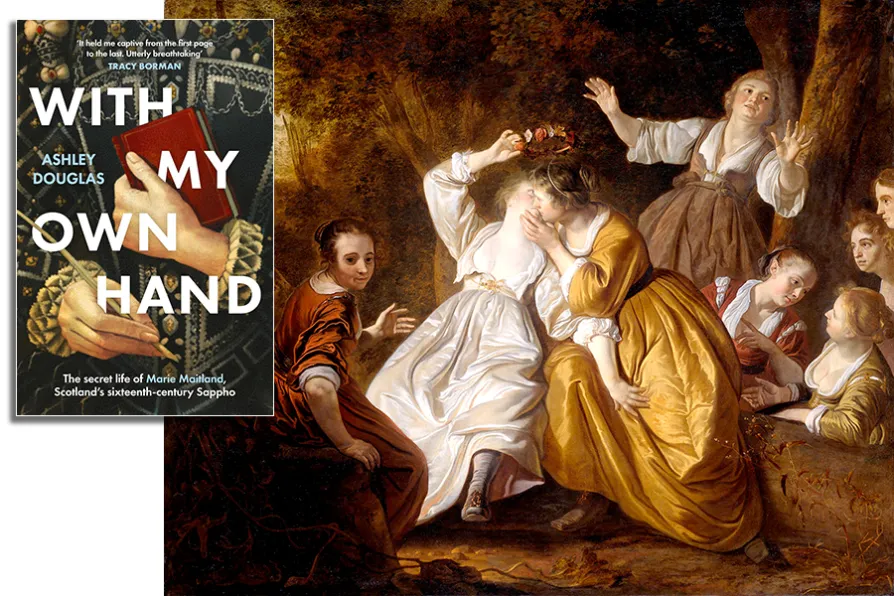
DIANE WATT argues that while evidence of sex is not there, a 16th‑century lesbian poet could be Scotland’s answer to Gentleman Jack

ALAN MORRISON welcomes a new collection from the most imaginative and committed ecopoet of our time

From post-human revolution in Puerto Rico to trans poetics and queer mythmaking, these three books that imagine new ways of being together
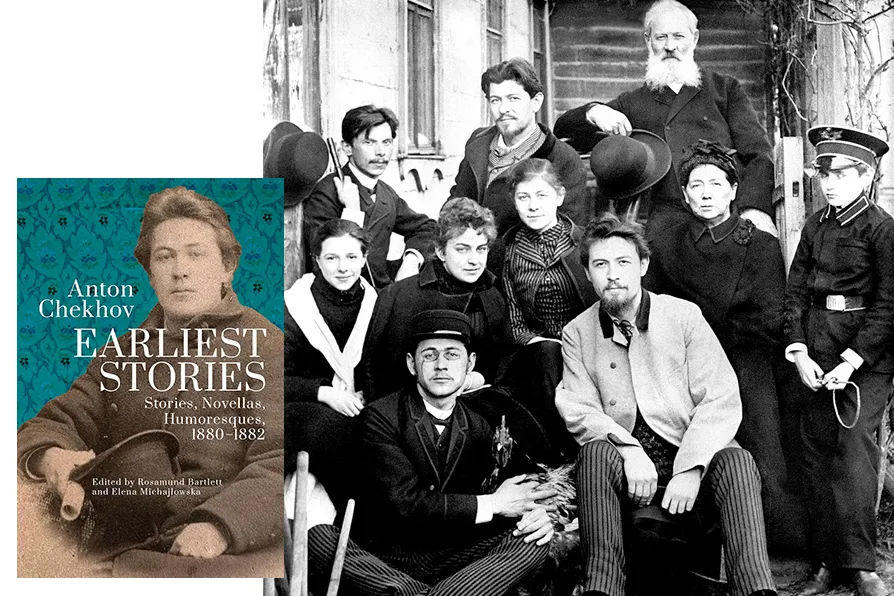
KEN COCKBURN guides us through a survey of Chekov’s early short fiction, and the groundwork it laid for his later masterpieces