The bard celebrates two other fine practitioners of the art, and laments a lost brewer


 Latest editorial
Eye-opening account of Irish women's exodus to Britain

This right-wing conspiracy theory is used to justify the coercive measures against gender, race and labour rights that best serve capitalism, attests GAVIN O’TOOLE
KENNY MONROSE recommends a new exhibition that highlights the significance of Black British music
ANGUS REID is bowled over by an exuberant film about the making of Keith Jarrett’s legendary concert
MARIA DUARTE, FIONA O’CONNOR and ANDY HEDGECOCK review Savage House, Enzo, Madfabulous, and Erupcja
CHRIS SEARLE recommends a work of love and deep admiration for a great musician


Moving Histories: Irish Women’s Emigration to Britain, from Independence to Republic
by Jennifer Redmond
(Liverpool University Press, £24.95)
MORE Irish women than Irishmen have over the years emigrated from Ireland and, in this new history from the 1920s to the 1950s, Jennifer Redmond uses an important array of new sources — culled from newspapers, archives, oral histories, statistics and personal accounts — to tell their story.
The Irish Constitution of 1922 enshrined religious and civil liberty, equal rights and equal opportunities for all citizens but it also lauded the “traditional” Irish woman as wife and mother and not the feisty women of the Irish Citizen Army or the Suffragettes.
After independence, women emigrants outnumbered men and in the immediate post-WWII period and the 1920s, more than eight out of 10 went to the US. But after the latter brought in restrictions, by the 1930s virtually all went to Britain. In the north of Ireland these figures were reversed, perhaps reflecting more job opportunities for women.

Similar stories
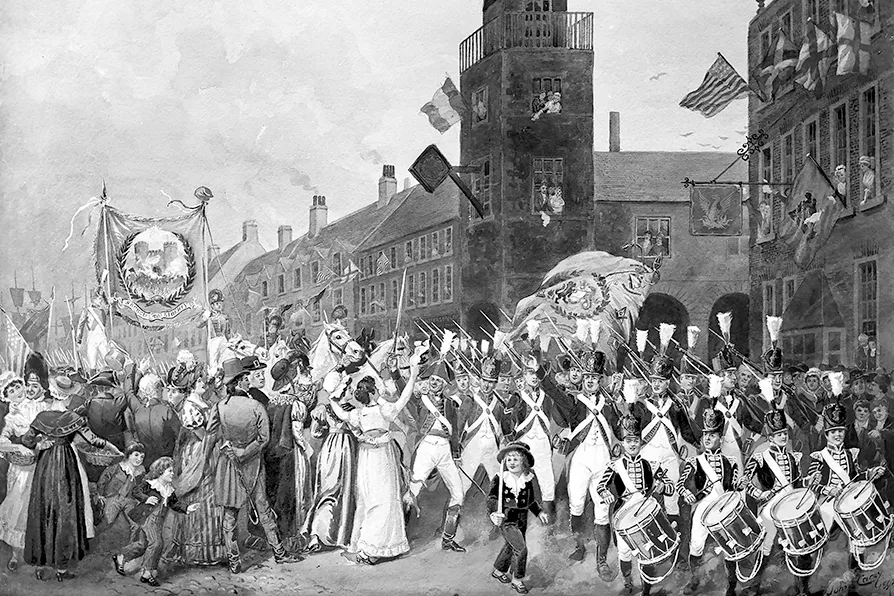
TOM GALLAHUE argues that asking what role Irish diaspora educators can play in shaping Irish unity is to ask a deeper question about democracy itself
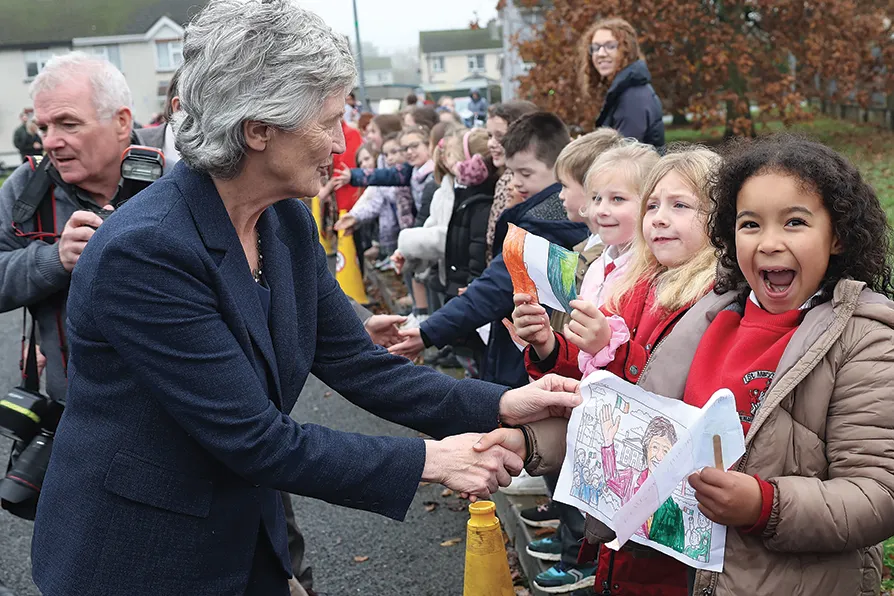
The unifying victory of Irish progressive forces in the presidential campaign should be a salutary lesson to the left in this country, argues MARY GRIFFITHS CLARKE
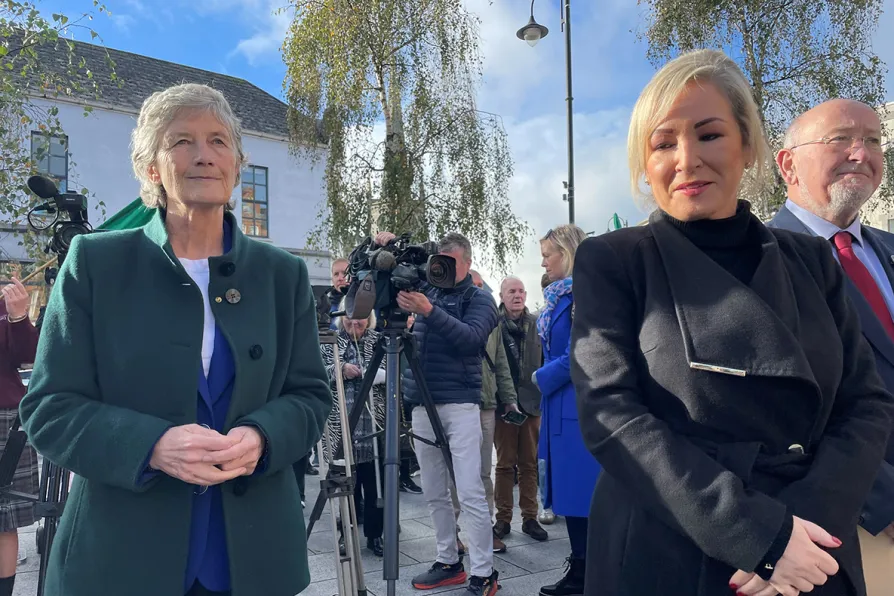
The independent TD’s campaign has put important issues like Irish reunification and military neutrality at the heart of the political conversation, argues SEAN MacBRADAIGH

Corbyn and Sultana’s ‘Your Party’ represents the first attempt at mass socialist organisation since the CPGB’s formation in 1921, argues DYLAN MURPHY