GORDON PARSONS appreciates fine performances and a feel for ambiguity, but misses the music of the dialogue


 Latest editorial
Running scared of popular poets
TIM WELLS takes issue with a bilious attack on ‘working-class’ artists in a high-end literary magazine
 Kate Tempest
[Martin Schummann/Creative Commons]
Kate Tempest
[Martin Schummann/Creative Commons]
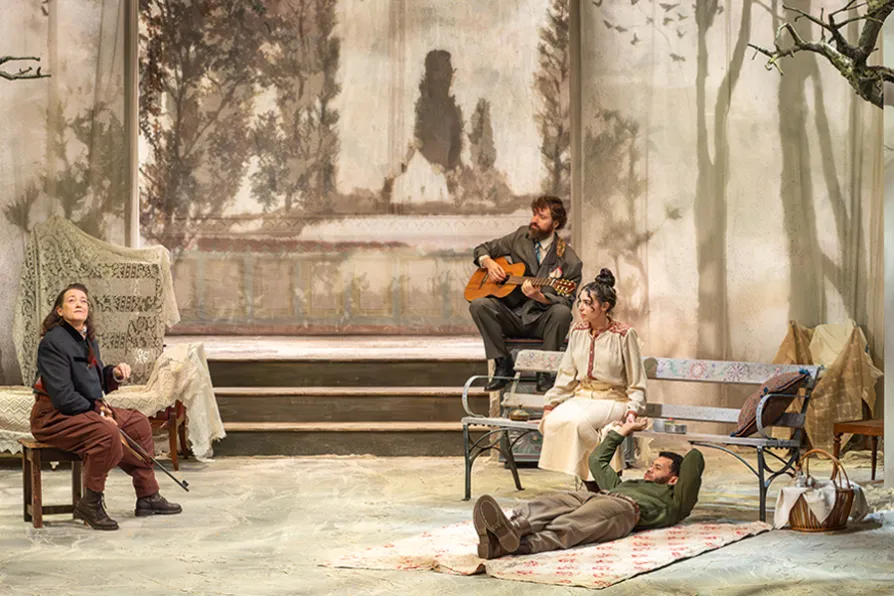
DOUGLAS FIELD relishes the hard-boiled language, satire and humour of the third and last of the Harlem trilogy
STEPHANIE BROWN draws attention to the hidden labour of the female embroiderers, and how a 19th century replica made no such error
MIK SABIERS revels in a band that ploughs an idiosyncratic furrow of expletive laden, guitar-driven alt rock
ANDY HEDGECOCK, MARIA DUARTE and ANGUS REID review Synthetic Sincerity, Our Hero, Balthazar, Heartstopper Forever, and A Year In London
The bard invites readers to a gig, raps for Clacton, and lays out the Burnham-Hurzeler conundrum
RON JACOBS recommends an important book that enhances the oppositional theories put forth by Fanon and, in doing so, remakes psychology itself


THE JANUARY issue of PN Review contains a hatchet job by Rebecca Watts that has got British poets taking sides.
Nothing unusual there, what is the poetry world without splits and divides? It’s worse than the left. PN Review was described by Simon Armitage as “the political wing of Carcanet Press” and, as much as the hip young poets like social meeja, Professor Plum loves the dagger in the library.
Watts went to both Oxford and Cambridge and those Marks & Spencer ready meals don’t pay for themselves. She takes umbrage at “amateur” poetry, in particular Hollie McNish, Kate Tempest and Rupi Kaur. Hers is basically an attack on “populism,” as she would have it, or access, as many a poet would have it.

Similar stories
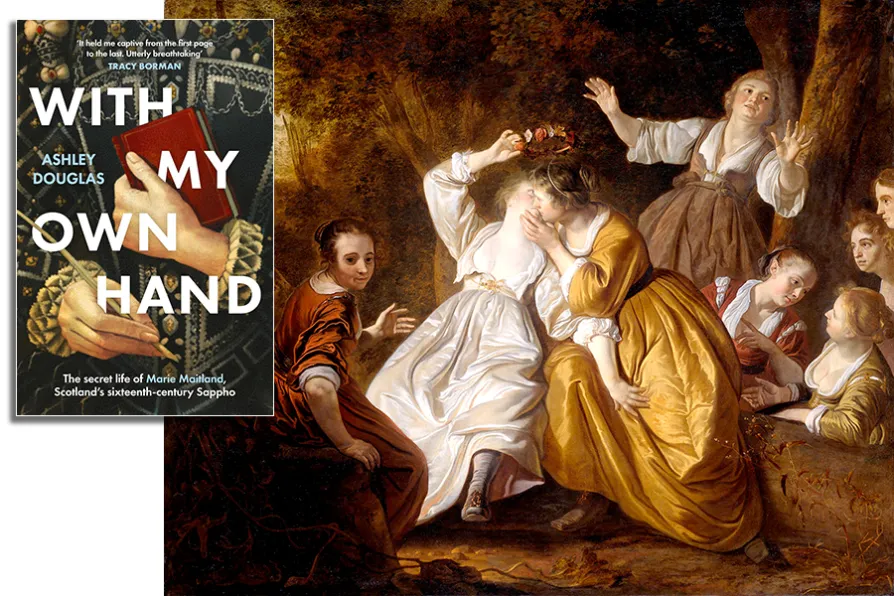
DIANE WATT argues that while evidence of sex is not there, a 16th‑century lesbian poet could be Scotland’s answer to Gentleman Jack
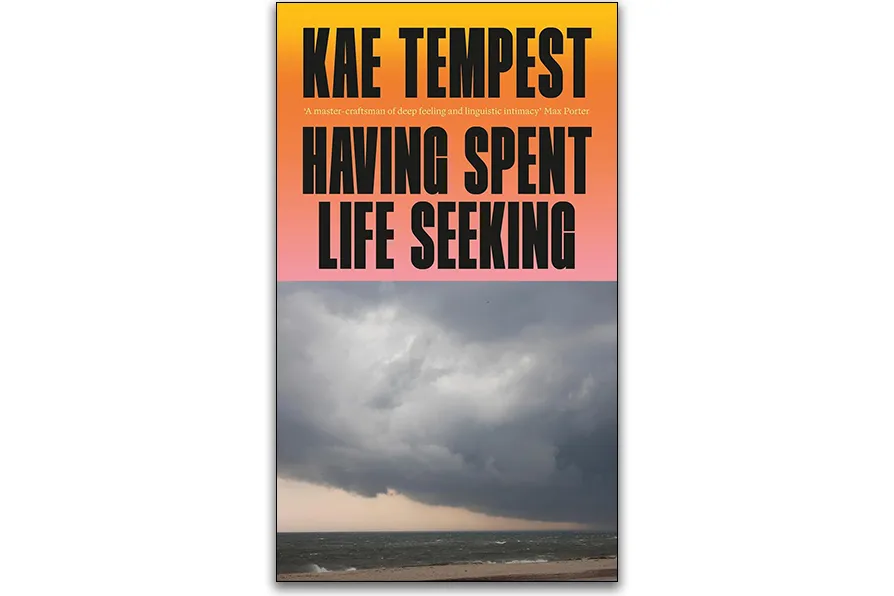
CAL McBRIDE relishes the lyrical truth of an unstable identity in an over-tidy and conventional social realist treatment

Two inspring books — that’s your New Year’s musing from me on January 2 2026
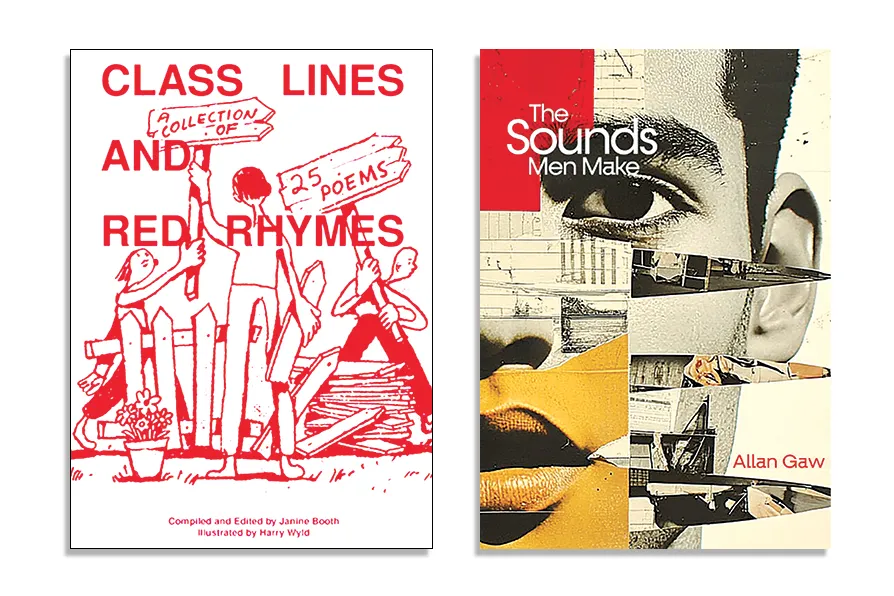
RUTH AYLETT reviews two collections of outright political poetry