While international actors discuss governance and reconstruction, Netanyahu has made it clear that Israel has no intention of ending its military occupation, says RAMZY BAROUD


 Latest editorial
When job cuts are woke: using the language of social justice as a smokescreen
By axing medieval literature from its English courses, supposedly in favour of a ‘decolonised curriculum,’ Leicester University is making cynical use of progressive terminology to push through a cost-cutting agenda, argues RORY WATERMAN
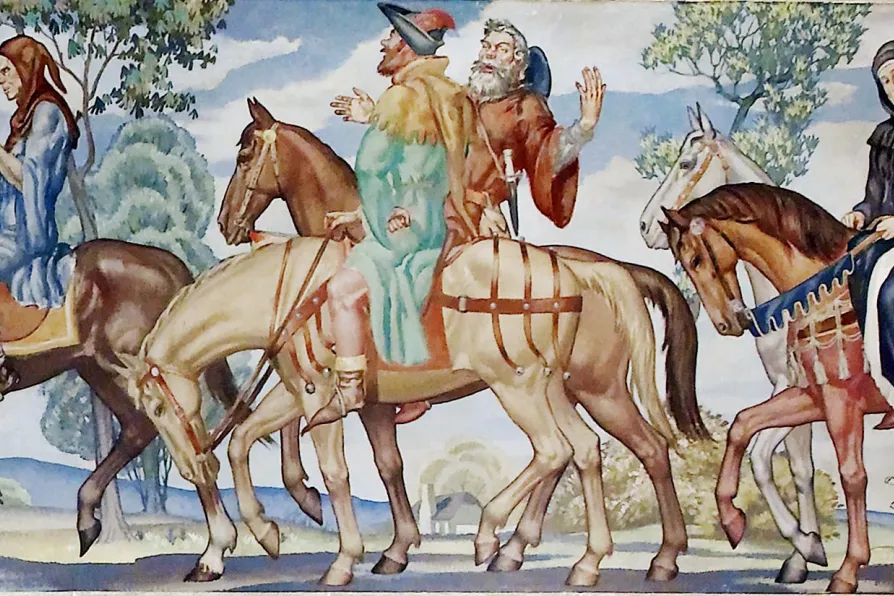 Canterbury Tales mural by Ezra Winter
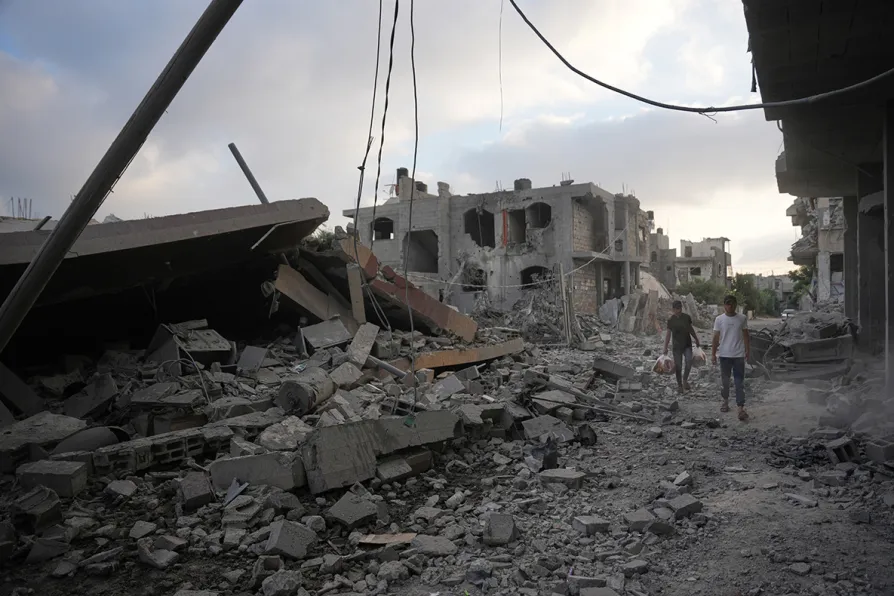
NICK WRIGHT continues his series analysing the trends in European politics
We have the alternative economics, histories of our struggles and the confidence to change the world
General Federation of Trade Unions assistant general secretary HENRY FOWLER reports on the final day from the GFTU’s residential Summer School at the Workers’ Retreat, Quorn Grange Hotel
Capitalism has exploited — and polluted — our natural resources for too long, it’s time we treated our rivers as living beings, writes MIRIUM GAUNTLETT, LIAM SHAW and ROX MIDDLETON
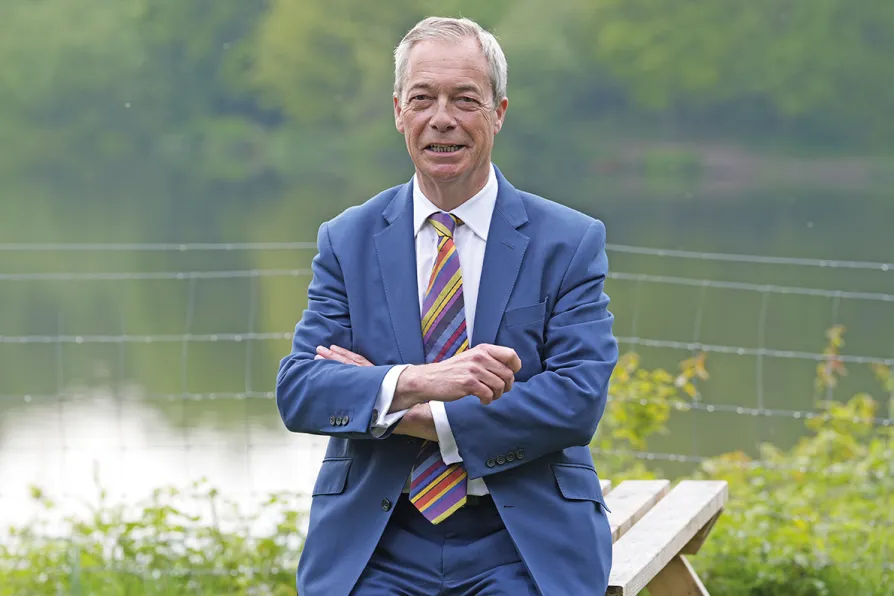
Treating the Clacton by-election as a joke risks reinforcing the Reform leader’s claim to be the victim of an out-of-touch Establishment, argues JOHN McINALLY
MPs and others called for the urgent release of tortured Palestinian doctor, Hussam Abu Safiya, held hostage by Israel and reportedly near death, reports LINDA PENTZ GUNTER


LAST week, University of Leicester managers announced that its English degrees would no longer include medieval literature.
Goodbye to the university’s long history of teaching Chaucer, Beowulf, Sir Gawain and the Green Knight: room must be made, they said, for “modules on race, ethnicity, sexuality and diversity, a decolonised curriculum, and new employability modules.”
I am a graduate of Leicester’s English degree. Twenty years ago, humanities programmes had less of a focus on employability than they do now, but I learned some very useful transferrable skills — in addition to studying great writers from Chaucer to Sarah Kane, Salman Rushdie to Aphra Behn, and learning to navigate a broad cross-section of English literature and literary theory.

Similar stories
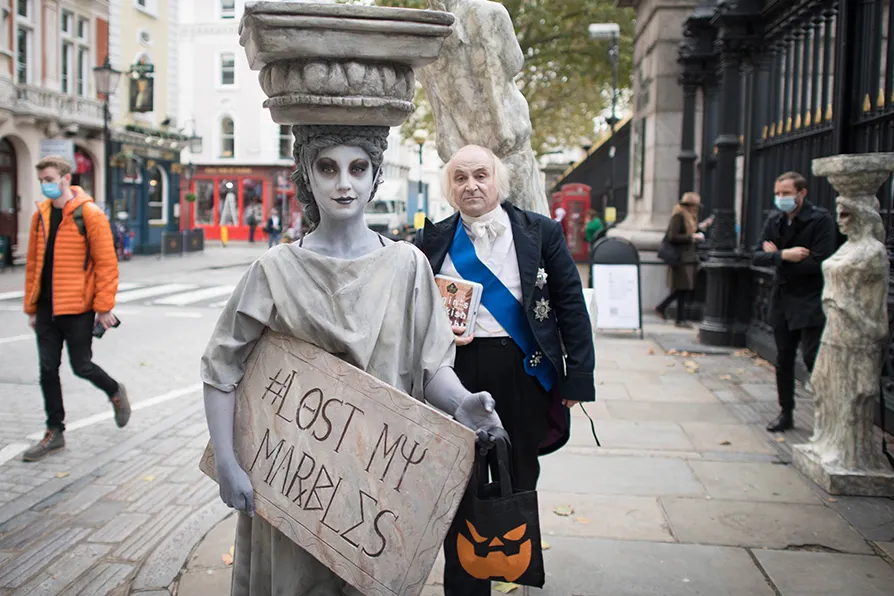
KEVIN DONNELLY suggests that the task of transforming cultural spaces is far from over and that photography still has a key role to play
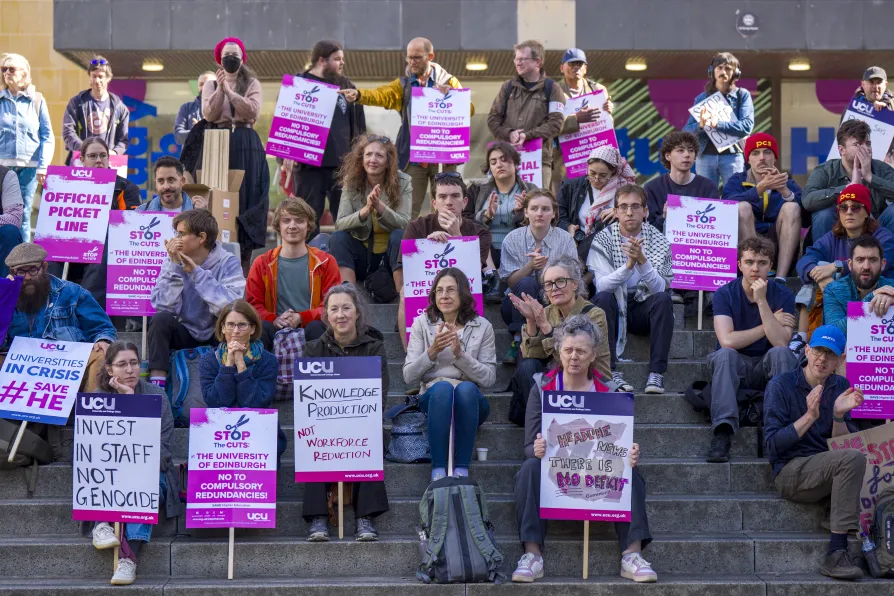
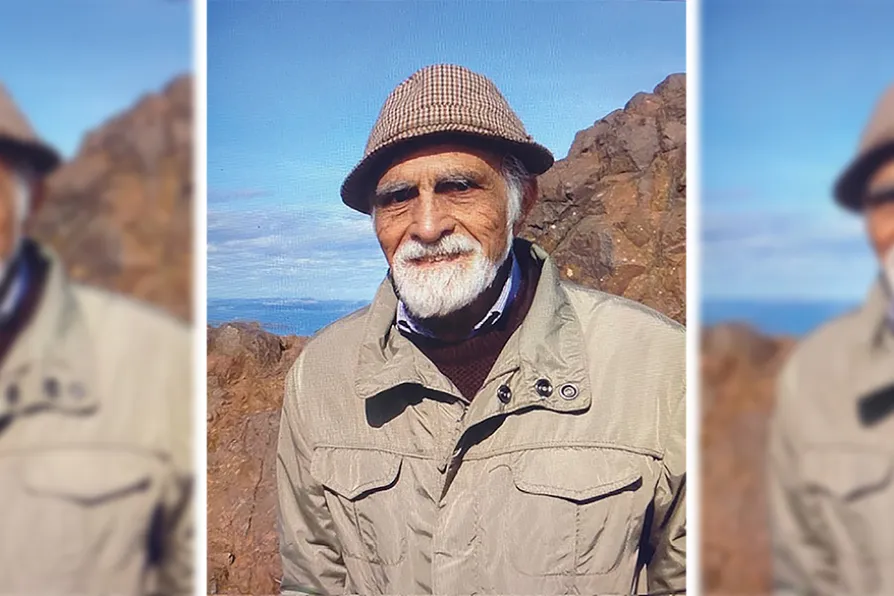
19.01.1930-23.04.2026
Kate Clark pays tribute to Ricardo, whose life spanned the hopes of Allende’s Chile, the horrors of military dictatorship and decades of campaigning for justice in exile
Labour movement history in Britain shows workers secured reforms through collective pressure and political representation, rather than being gifted from above, writes KEITH FLETT