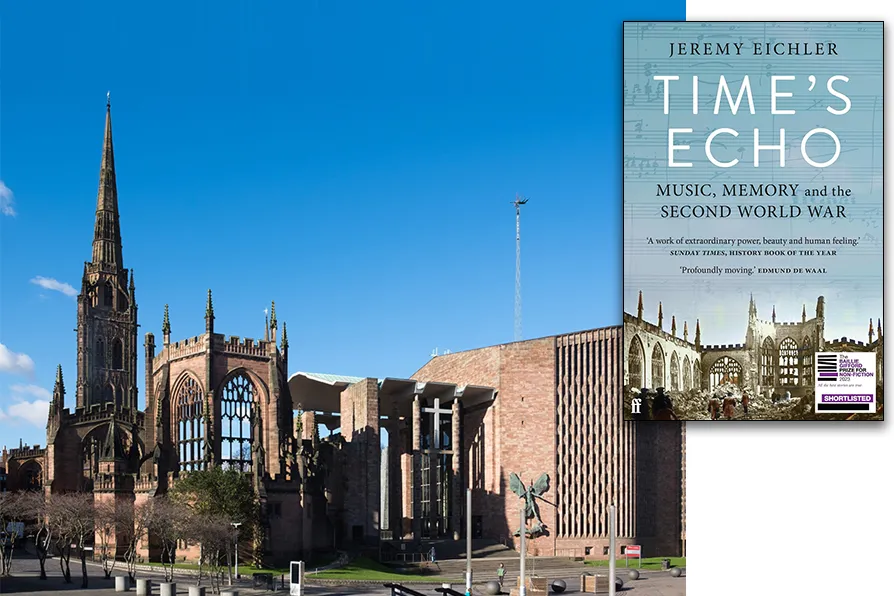
DAVID YEARSLEY is fascinated by the account of four composers who transformed their experiences of the second world war and the Holocaust into deeply moving works of art


 Latest editorial
The Kamenska anti-fascist memorial
 Art In The Open Kamenska Anti-Fascist Memorial, Blazuj Hill, Kamenska, Croatia before and after being deliberately destroyed
[The Spomenik Monument Database]
Art In The Open Kamenska Anti-Fascist Memorial, Blazuj Hill, Kamenska, Croatia before and after being deliberately destroyed
[The Spomenik Monument Database]
PETER MASON thrills to the sound of south London-born Yussef Dayes, and the galaxy of musicians drawn into his orbit
From post-human revolution in Puerto Rico to trans poetics and queer mythmaking, these three books that imagine new ways of being together
JAMIE BRITTON recommends that we all buy at least two copies of a remarkable book of poems
Re-releases from Iain Matthews, Quicksilver Messenger Service, and The Charlie Daniels Band
JAMIE BRITTON recommends that we all buy at least two copies of a remarkable book of poems


BETWEEN 1945 and 1960 the Yugoslav socialist state commemorated the multinational anti-fascist armed resistance on its territory during WWII with a series of spectacular modernist memorials, better known as “spomeniks” — a striking book about which was reviewed in the Star on November 13 2018.
That partisan war lead to the liberation of the Nazi-occupied territories and the creation of one of the most successful multi-ethnic, multi-faith and multi-national political constructs achieved by humankind since the days of Cyrus the Great of Persia in the 6th century BC.
The gigantic memorials’ abstract expressionist style — a bold, avant-garde move away from prevailing socialist realism — created breathtaking, open-air scenarios not only for mass remembrance gatherings but also as welcoming places to visit at all other times.

Similar stories
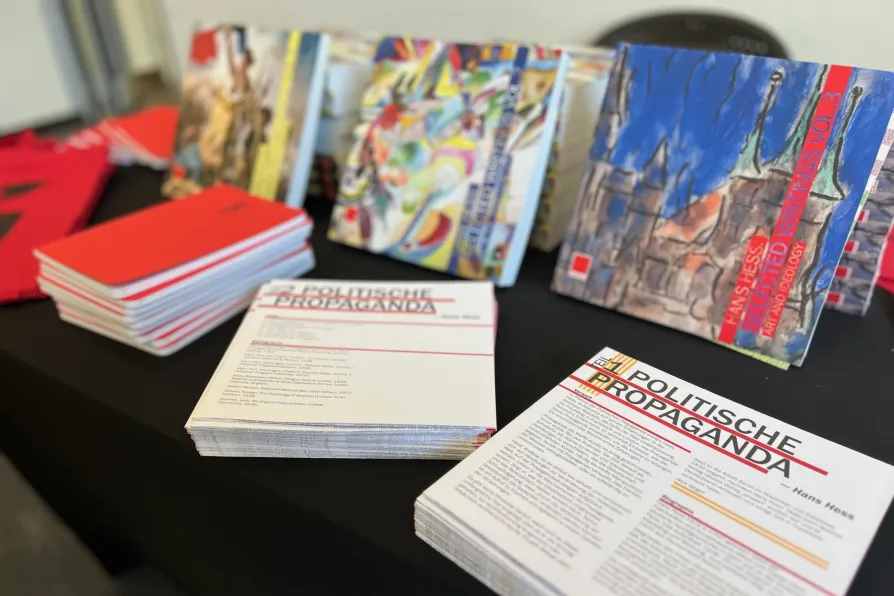
CHRISTOPHE IMMER of the Morning Star’s German sister paper Junge Welt reports on a Berlin conference on the politics of art and the legacy of Marxist critic Hans Hess
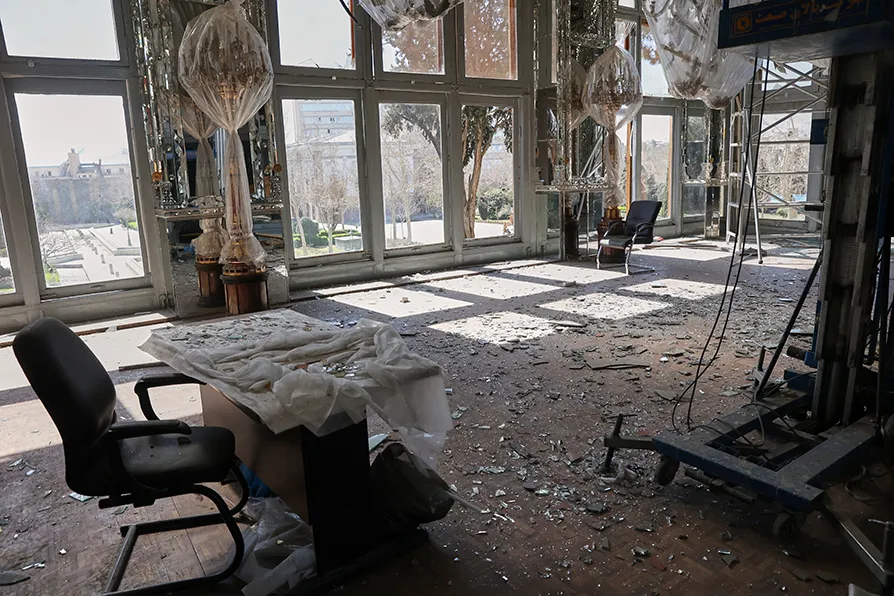
KATAYOUN SHAHANDEH surveys Iran’s cultural heritage and explains what has been damaged and what could be lost
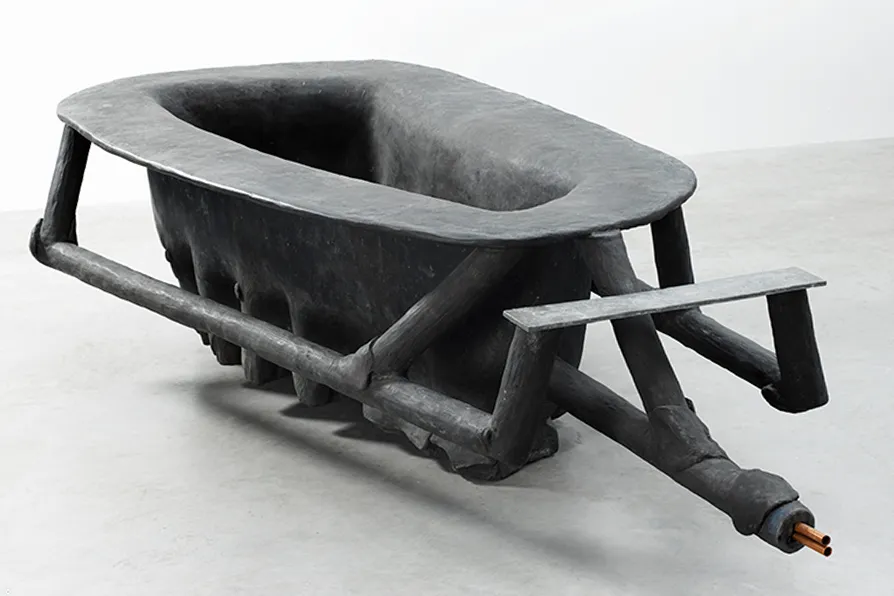
JAN WOOLF ponders the works and contested reputation of the West German sculptor and provocateur, who believed that everybody is potentially an artist

As the Communist Party of Bohemia and Moravia rebuilds support through anti-cuts campaigns, the government seeks to silence it before October’s parliamentary elections through liberal totalitarianism, reports JOHN CALLOW