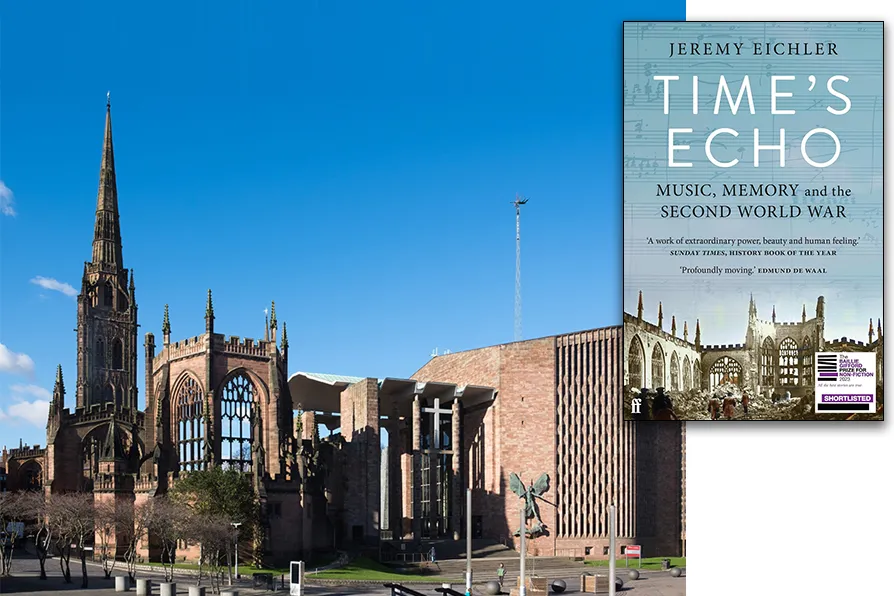
DAVID YEARSLEY is fascinated by the account of four composers who transformed their experiences of the second world war and the Holocaust into deeply moving works of art


 Latest editorial
How to bridge an elitist divide
JOHN STOREY argues that breaking down definitions of ‘high’ and ‘popular’ art is the prerequisite for constructing a culture we can all feel part of and participate in
PETER MASON thrills to the sound of south London-born Yussef Dayes, and the galaxy of musicians drawn into his orbit
From post-human revolution in Puerto Rico to trans poetics and queer mythmaking, these three books that imagine new ways of being together
JAMIE BRITTON recommends that we all buy at least two copies of a remarkable book of poems
Re-releases from Iain Matthews, Quicksilver Messenger Service, and The Charlie Daniels Band
JAMIE BRITTON recommends that we all buy at least two copies of a remarkable book of poems


IF WE want to make the claim that culture matters politically — and be able to illustrate this claim against those who want us to see it as something quite distinct from the political — we need to be clear what we mean by culture.
To claim that culture matters because it is ultimately political compels us to move beyond all definitions that reduce culture to the arts with a capital A. In other words, it is a definition that rejects the arbitrary and elitist distinction between culture and popular culture.
The politics of culture involves all of us because it is about the making and circulation of meanings which affect all of us.

Similar stories
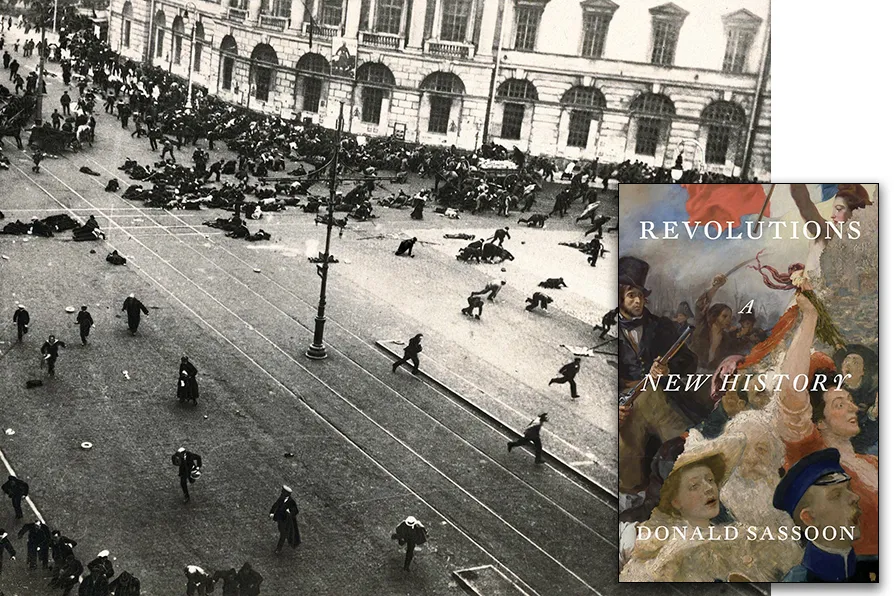
HENRY BELL follows the lineage of revolutions, from the English to the Chinese, and asks where revolutionary politics exists today
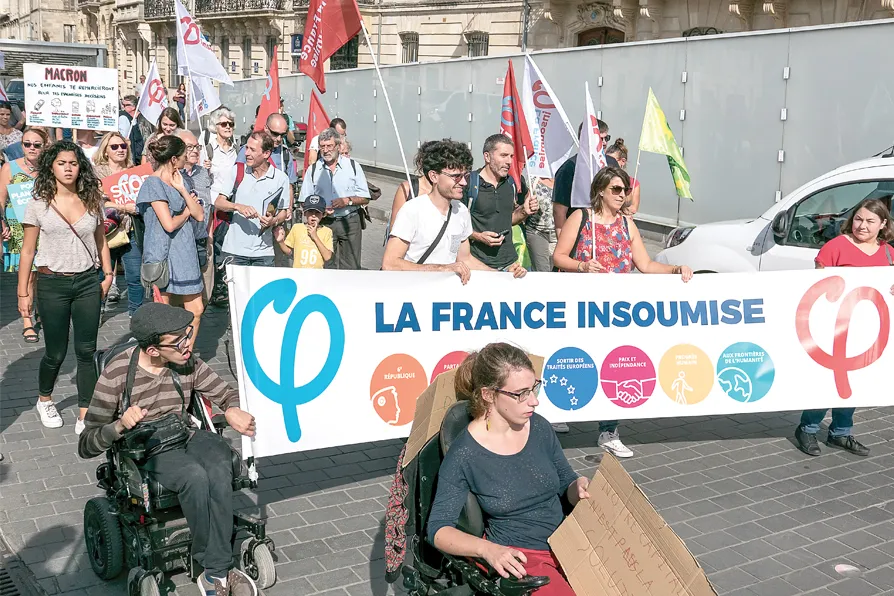
JOHN REES replies to Claudia Webbe
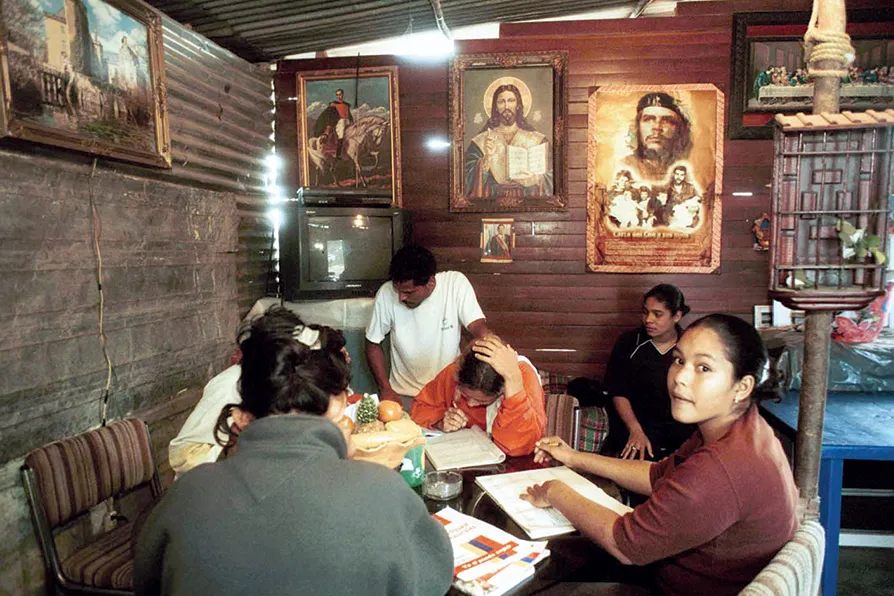
ISAAC SANEY points to the global stakes involved in defending the Cuban revolution against imperialism and calls for resistance
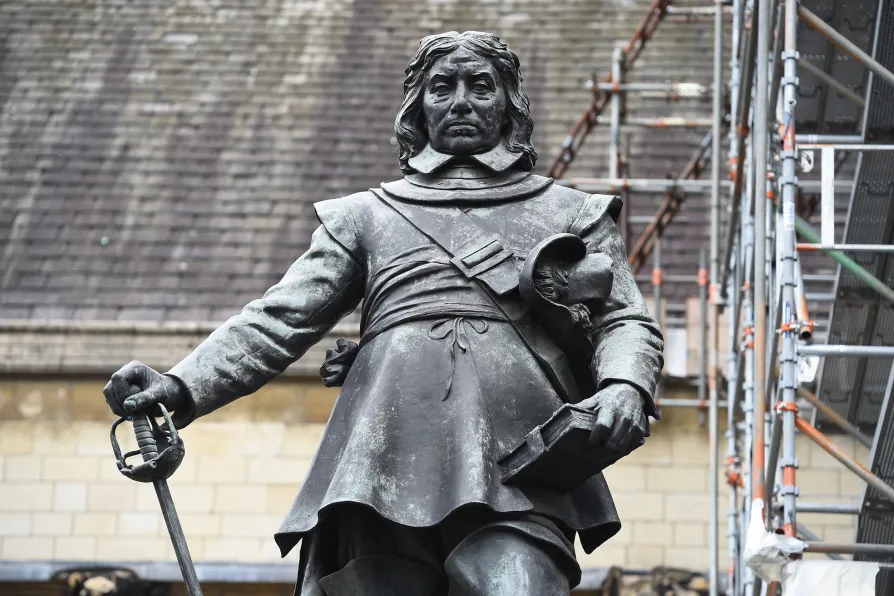
The selection, analysis and interpretation of historical ‘facts’ always takes place within a paradigm, a model of how the world works. That’s why history is always a battleground, declares the Marx Memorial Library