ANGUS REID, ANDY HEDGECOCK and MARIA DUARTE review On The Sea, A Useful Ghost, Brunello: The Gracious Visionary, and Pinocchio Unstrung


 Latest editorial

Working-class movement bringing dignity to the disenfranchised
The Dignity of Chartism
by Dorothy Thompson
(Verso Books, £10.49)

RON JACOBS enjoys a great tale, told by a US communist, of the lives of working-class New Yorkers
BRENT CUTLER searches a new history of contemporary Iran for an understanding of the Islamic Republic, finding both interesting detail and glaring omissions
MARIA DUARTE recommends the true story of the remarkable woman who sued Donald Trump for sexual assault not once, but twice
KENNY MacASKILL is disappointed by a polemical, rather than factual, account of the Lone Star State and its political path since the civil war
PAUL DONOVAN is fascinated by the lives of Charles and Mary Bagot, and the insight this biography shines on the morals of pre-Victorian society
GORDON PARSONS appreciates fine performances and a feel for ambiguity, but misses the music of the dialogue


THE 19th-century Chartist movement, which predated the development of trade unions and the establishment of the Labour Party, stands out as an example of organised resistance from below against the capitalist mode of production and its social consequences.
This broad movement, most active in the 1830s and 1840s, is associated with putting forward the 1838 People’s Charter, a series of six demands calling for political reforms considered radical at the time.
The late social historian Dorothy Thompson devoted her life to researching Chartism. Through her years of meticulous research, she was able to provide new insights into and a deeper analysis of a movement, comprising millions of men and women, which created consternation for factory owners and the parliamentary representatives of the upper class.

Similar stories
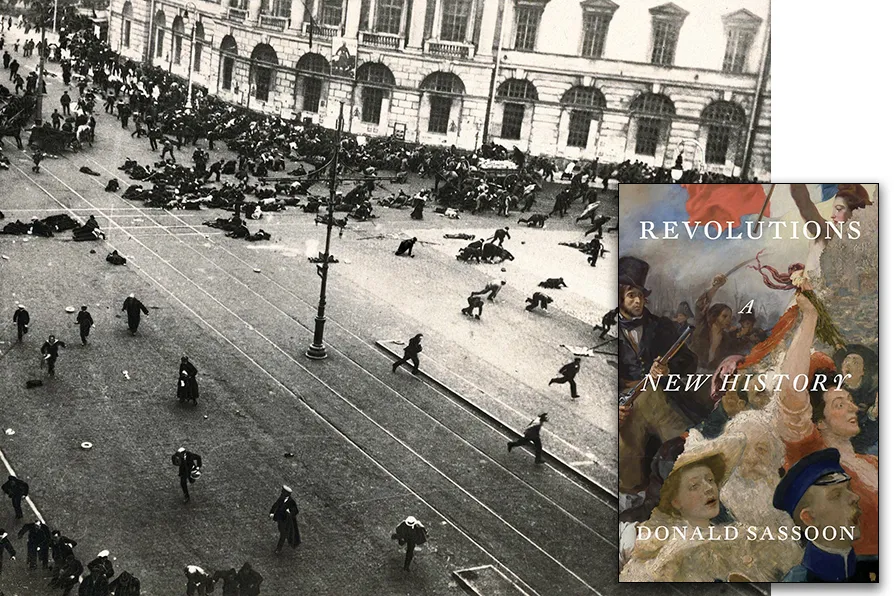
HENRY BELL follows the lineage of revolutions, from the English to the Chinese, and asks where revolutionary politics exists today
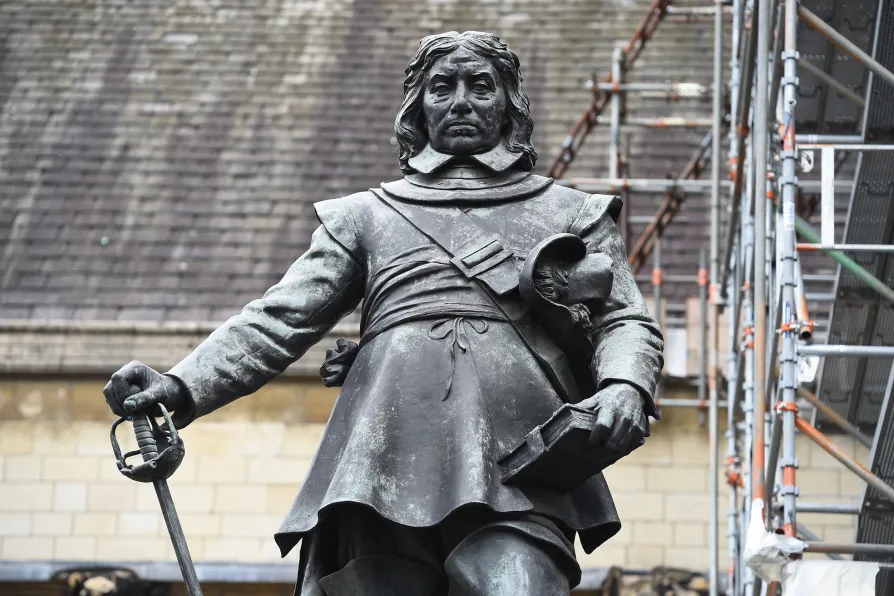
The selection, analysis and interpretation of historical ‘facts’ always takes place within a paradigm, a model of how the world works. That’s why history is always a battleground, declares the Marx Memorial Library
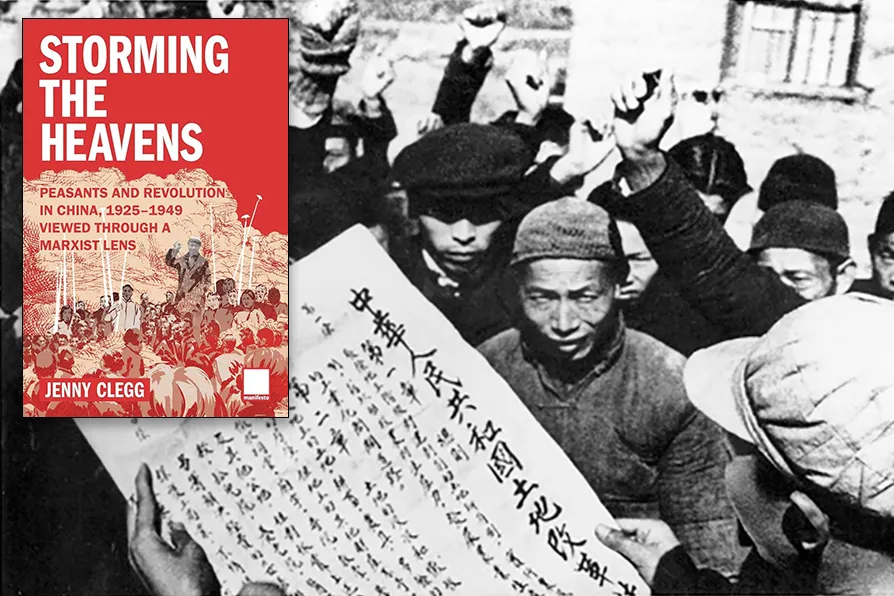
BEN CHACKO welcomes a masterful analysis that puts class struggle back at the heart of our understanding of China’s revolution
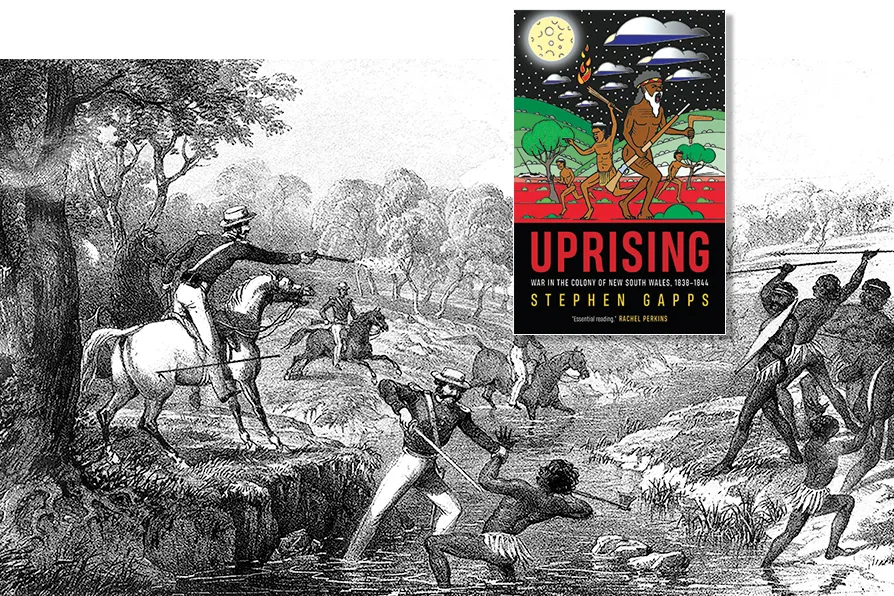
HEIDI NORMAN welcomes a new history of the Aboriginal resistance to white settlers in New South Wales