New releases from Laura Veirs, The Waterboys, and Yard Act


 Latest editorial
Letters from Latin America: July 14, 2026
LEO BOIX reviews two powerful Latin American novels in which myth and crime fiction expose the deadly consequences of patriarchy, clandestine abortion and state violence

Ron's rages are sincere and — according to his wife — healthily cathartic. But can these splenetic outbursts loosen the grip of capitalism at its most monstrous?
ANGUS REID considers the power of the podcast as a vehicle for consensus building in opposition to mainstream media narratives
GLENN FOSBRAEY recommends a biography worth reading for both existing George Michael fans and those yet to be converted
FRANCIS DEVINE introduces a new collection of essays that draws on Pease McKenna’s example to indicate future paths for the movement
KEVIN DONNELLY and MARIA DUARTE review Shoot the People, The Last One For The Road, Rosebush Pruning, and Moana
JAMES WALSH recommends an exceptional documentary about the experience of Western doctors in Gaza


HUNDREDS of women still die each year in Latin America and the Caribbean from unsafe abortions and their complications. Many more survive, but only after haemorrhage, infection, fear, shame and the brutal lottery of clandestine care.
Around 760,000 women in the region are estimated to require hospital treatment every year following complications from unsafe abortion. Behind those numbers are bodies, daughters, mothers, friends — and two extraordinary new books that refuse to let them disappear quietly.
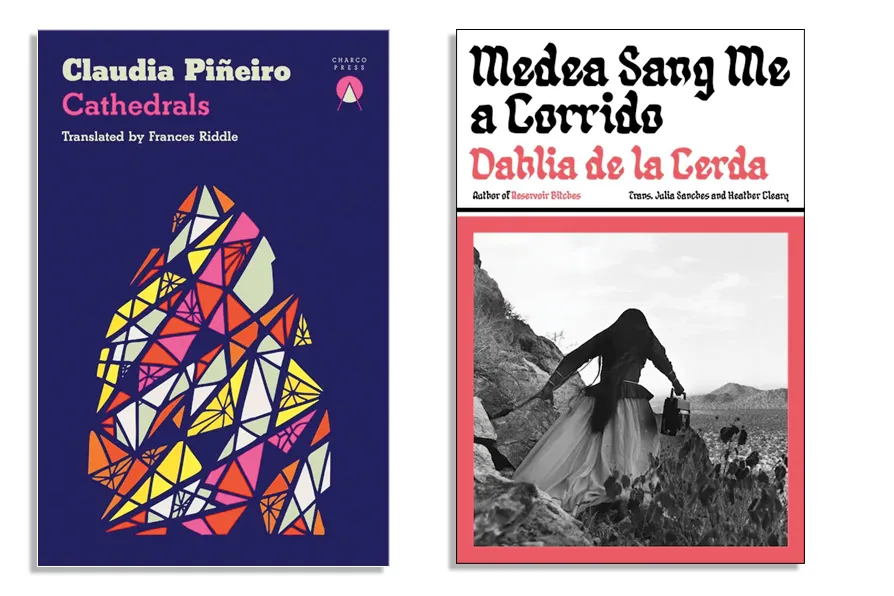
Medea Sang Me a Corrido by Dahlia de la Cerda (Scribe, £10.99), dextrously translated by Julia Sanches and Heather Cleary, is a furious, dazzling collection of interlinked stories set in northern Mexico. At its heart are abortion, narco-violence, poverty and the mothers searching for the disappeared children of a country at war with itself. De la Cerda, longlisted for the International Booker Prize for her debut Reservoir Bitches, writes with grit, speed and political fire.
Here, Medea is not merely the tragic mother of Greek myth, but a 30-year-old woman dressed in black and crowned with braids, wandering the deserts of Chihuahua. She appears where she is most needed: helping a young woman through an abortion, guiding a mother towards the remains of her murdered son, standing beside the vulnerable when church, state and men have abandoned them.
The objects of her attention — Paulina, Perla, Antonia, Reina and Jordan — are not saints or symbols. They are funny, frightened, tender, tough, and trying to survive a world built to crush them.
“I smiled at Medea and said to her: You crack me up. Can I call you auntie?” says Paulina, as Medea helps her through an abortion. That line captures the brilliance of the book: myth brought down to Earth, into the kitchen, the street, the desert.
De la Cerda writes like a contemporary Juan Rulfo with a feminist switchblade — full of ghosts, music, food, dust, jokes and rage.
An abortion gone wrong also sits at the heart of Claudia Pineiro’s Cathedrals (Charco Press, £11.99), beautifully translated by Frances Riddle. A noir novel told through seven voices, it begins with Lia Sard, admitting to have lost her faith in God after the death of her young sister Ana, found burnt and dismembered in an abandoned lot in Adrogue, south of Buenos Aires. The search for the truth stretches as far as Santiago de Compostela, where Lia runs a bookshop and where her nephew Mateo arrives looking for answers.
Among the most devastating voices is Marcela, Ana’s college friend, who loses her memory after an accident in a church and must write everything down. She helps Ana through the terrible ordeal of a clandestine abortion. “Ana died in my arms. You can’t kill someone who is already dead. No-one dies twice,” she says, in a sentence that lands like a verdict.
Pineiro is not only a masterful novelist but also a tireless feminist activist. Her work belongs to the same moral universe as Ni Una Menos, the Argentine movement against femicide, gender violence and state indifference. Both books insist that abortion is never merely “private”; it is social, political and classed. Wealth buys safety. Poverty is left with blood, silence and blame.
Together, these books are urgent acts of witness. Through myth, noir and social realism, they expose the violence of patriarchy, the cruelty of church and state, and the extraordinary resilience of women who refuse to vanish. They are thrilling, witty, enraged and alive. Read them, then pass them on.

Similar stories
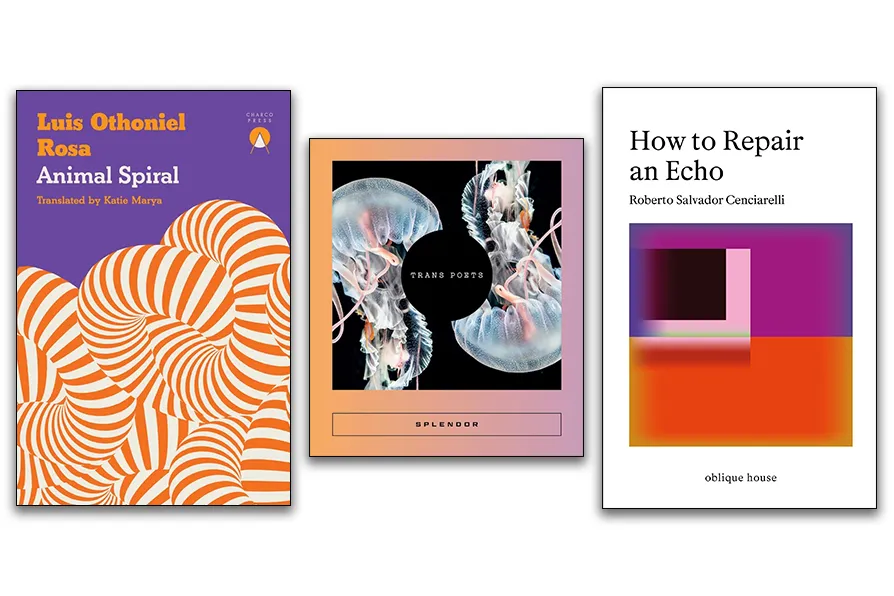
From post-human revolution in Puerto Rico to trans poetics and queer mythmaking, these three books that imagine new ways of being together
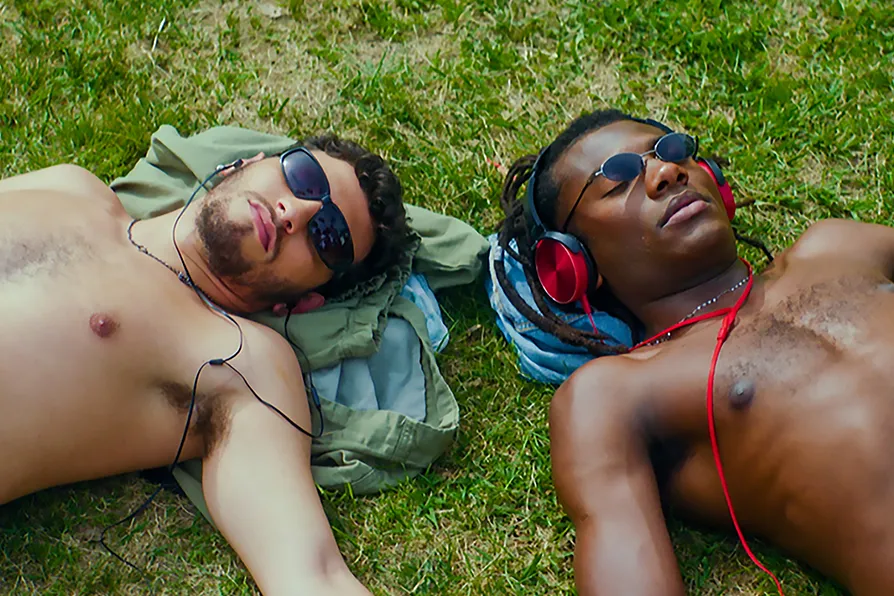
LEO BOIX, ANGUS REID and MARIA DUARTE review Night Stage, Two Women, Kim Novak’s Vertigo, and Fuze
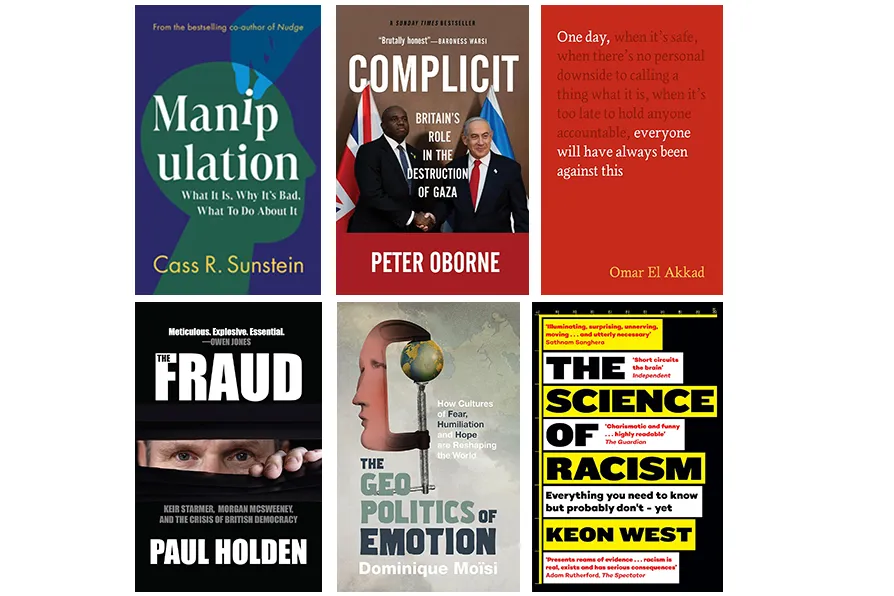
Looking for moral co-ordinates after a tough year for rational political thinking and shared human morality
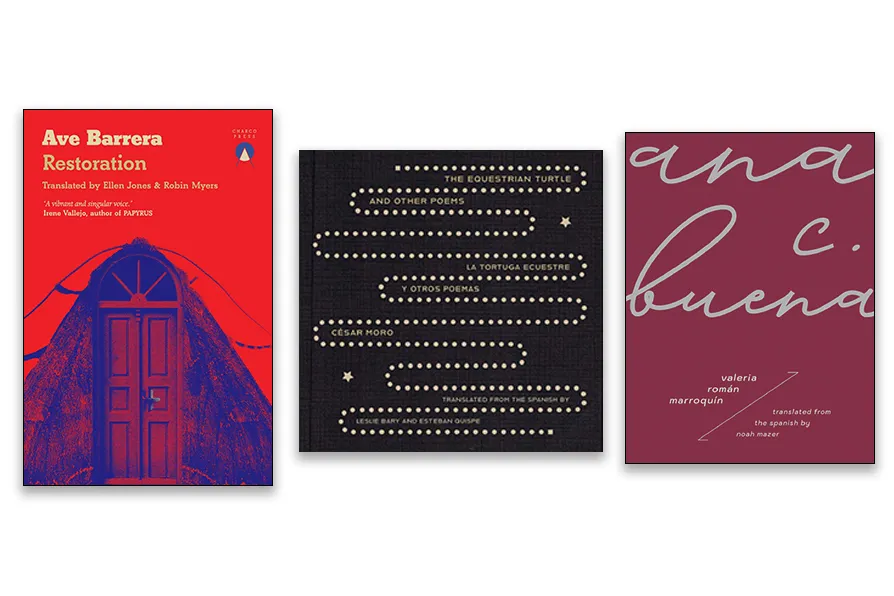
A ghost story by Mexican Ave Barrera, a Surrealist poetry collection by Peruvian Cesar Moro, and a manifesto-poem on women’s labour and capitalist havoc by Peruvian Valeria Roman Marroquin